
Search Results for climate neutrality
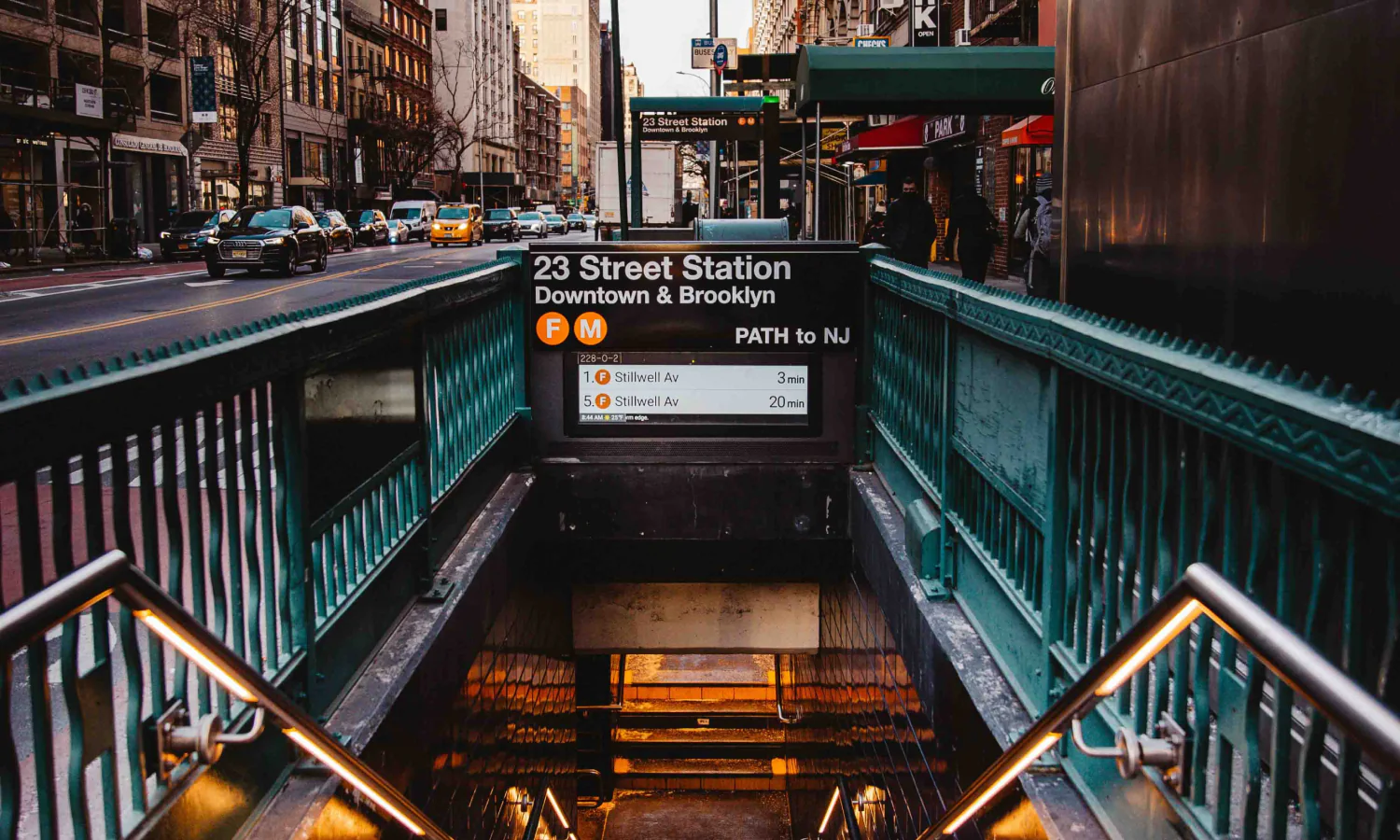
Alternative Fuels – the EU’s Path to Climate Neutrality
Transport is an indispensable part of modern life. It connects us to the world—allowing us to carry out daily tasks, travel on holiday, and keep store shelves stocked with goods. Life without cars, trucks, ships, or planes would be unimaginable.…
Vienna on the Path to Climate Neutrality
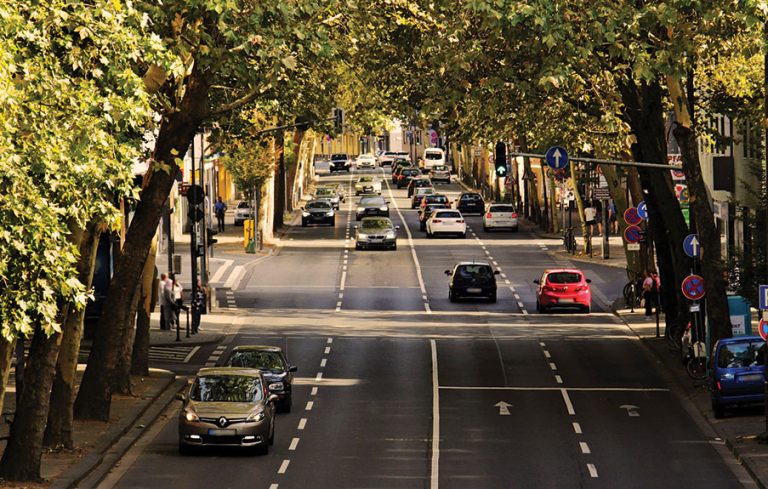
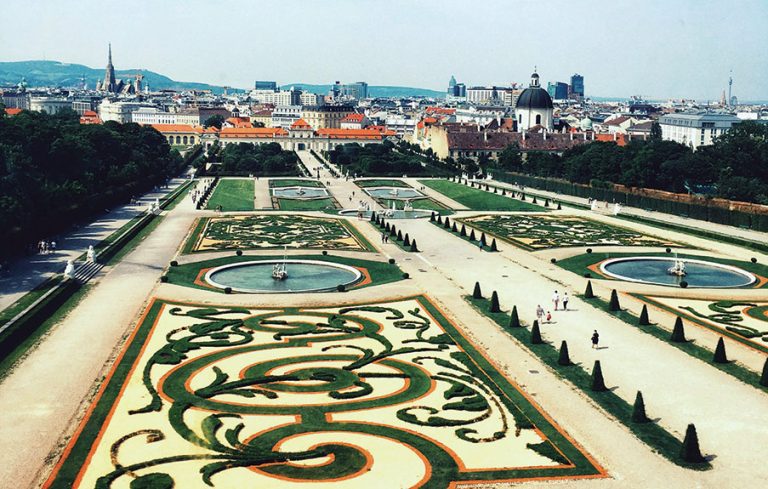
Climate change indeed requires a collective effort, and we all have a role to play in reducing our impact on the environment. Vienna is one of the leading European cities in environmental protection and climate policy. The city is known…
Zagreb on the Path to Climate Neutrality
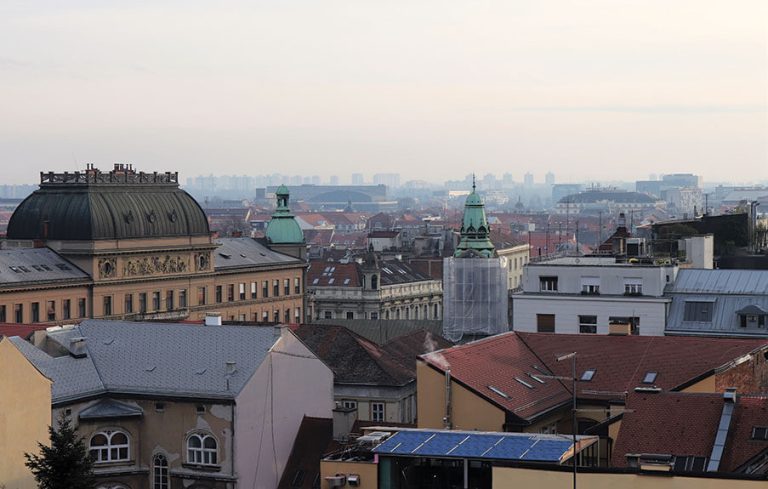
Careful planning of the preservation of existing green areas and planting greenery in new areas is very important, especially for the urban environment. Greenery reduces air pollution, mitigates the effects of tropical heat, and increases resistance to floods and extreme…
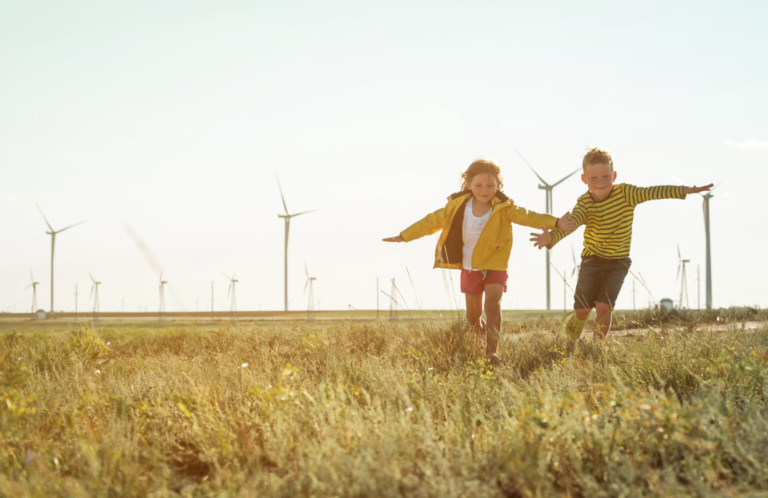
Gebrüder Weiss targets climate neutrality by 2030
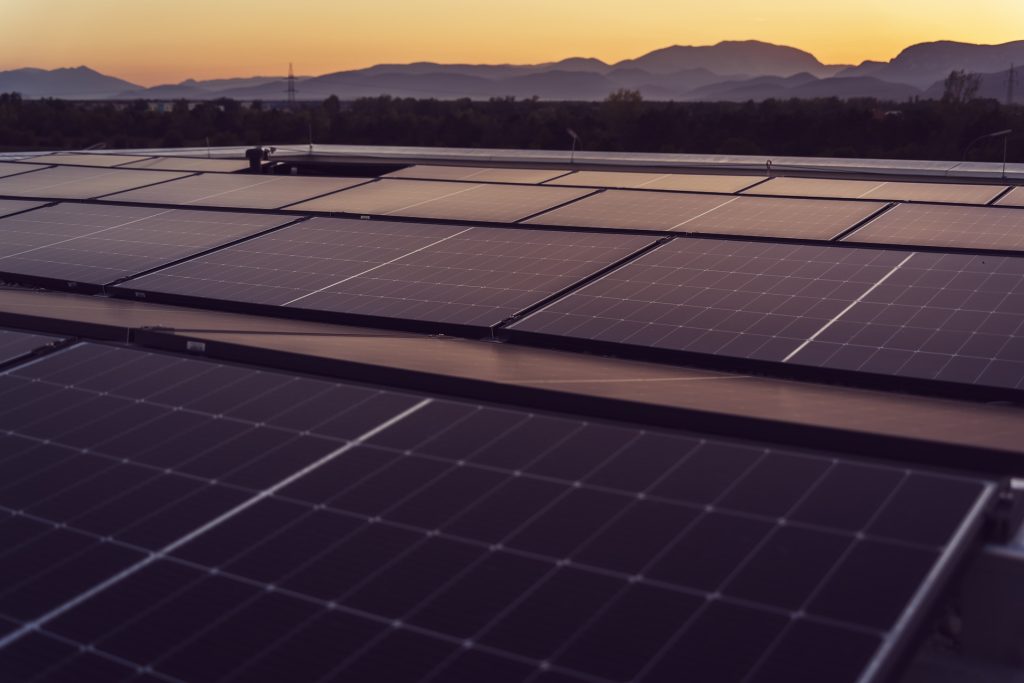
As a modern logistics service provider, Gebrüder Weiss has set the goal of gradually reducing the company’s carbon footprint to zero with its sustainability strategy GWcares, aiming to make the company’s logistics facilities climate-neutral by 2030. This is one of…
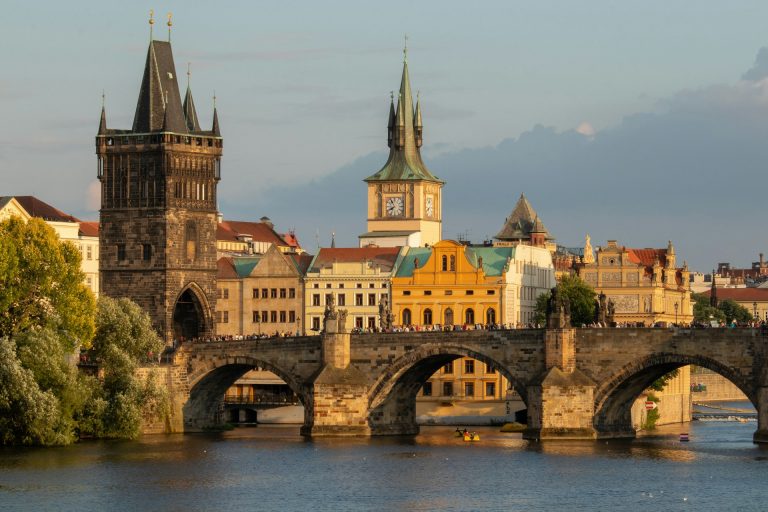
Czech Republic’s Ambitious Climate Goals: Stability Through Nuclear and Green Energy
The Czech Republic is recording notable successes in the fight against climate change – from reducing greenhouse gas emissions by 47 percent compared to 1990, to ambitious plans for expanding the share of renewable sources and nuclear energy in its…
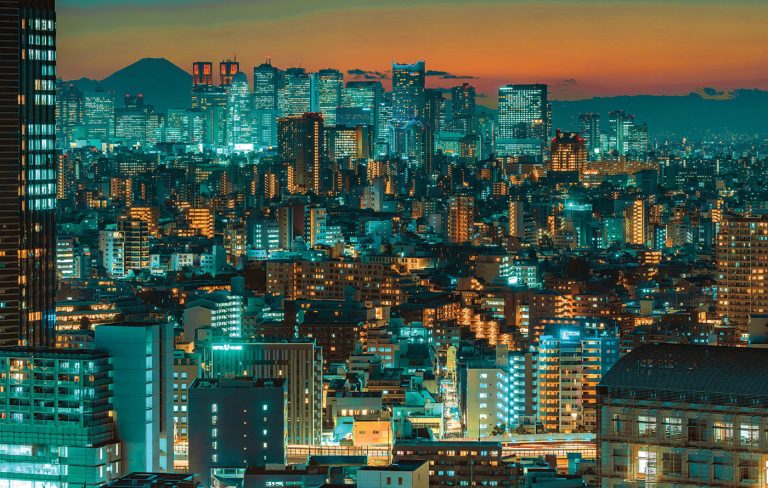
The Future Is Green – Japan’s Climate Goals
In light of increasingly urgent global challenges – from climate change and the preservation of natural resources to the ongoing energy transition – Japan stands out as a country that successfully balances technological progress, economic stability, and sustainable development. With…
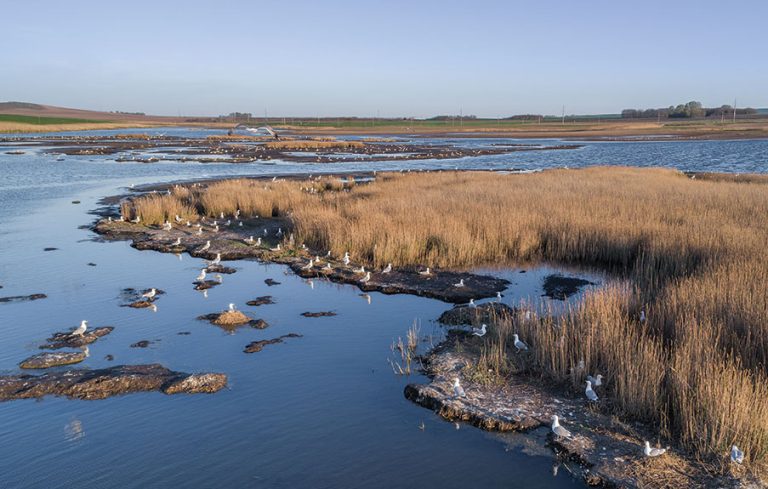
Precise Strategies and Plans for Mitigating the Consequences of Climate Change
Biodiversity is particularly important for Romania because around 23 per cent of the country’s surface is occupied by protected natural areas, which are part of the Natura 2000 network of protected areas in the European Union. Romania has over 30,000 hectares under UNESCO protection, more than…