

Four examples that show how renewable energy sources are transforming energy security
Share
Conflicts around the Strait of Hormuz, through which roughly one-fifth of the world’s oil and gas supplies pass, have exposed the vulnerability of global reliance on fossil fuels. At the same time, instability in the Middle East is increasingly steering countries toward renewable energy sources as a safer and more reliable solution for energy supply.
Four countries demonstrate how domestic renewable energy production can serve as a long-term and stable alternative to global supply disruptions.
— The turmoil we are witnessing in the Middle East clearly shows that we are dealing with a global energy system heavily tied to fossil fuels — said Antonio Guterres, Secretary-General of the United Nations, emphasizing that renewables are increasingly becoming the foundation of security and economic resilience.
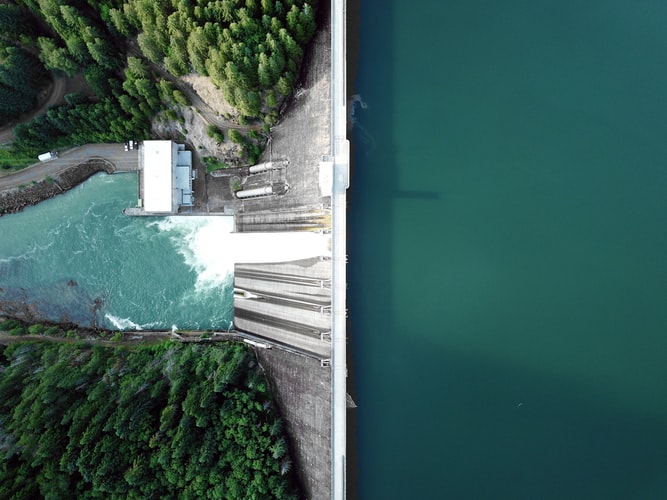
Paraguay has developed hydropower further than almost any other country. Nearly all the electricity in its grid comes from large dams, some of which are jointly operated with Brazil. Abundant generation has made electricity inexpensive and created a surplus for export. Transport still depends on oil, making it the only sector where the transition has yet to take hold. In its power system, Paraguay has already achieved energy self-sufficiency from clean sources—something many countries are still striving for.
Norway powers its economy almost entirely with hydropower, which generates close to 95 percent of its electricity. As a major exporter of oil and gas, Norway has managed to maintain stable domestic energy prices. Fuel price shocks that affected much of Europe have largely bypassed its households. The country is building on this foundation by expanding its offshore wind sector, while the full electrification of road transport is part of a broader strategy to eliminate fossil fuels from all domestic sectors.
More:
- New Google Data Center to Use Renewable Energy and Battery Storage for Up to 100 Hours
- Romania Strengthens Renewable Energy Capacity with 190 Megawatts of Solar Power
- China Shifts to “High-Quality” Renewable Energy Growth: Less Subsidy, More Market
Ethiopia is emerging as one of Africa’s leading countries in renewable energy. Large hydropower projects form the backbone of its system, while solar and wind capacities are rapidly expanding across the country. Renewables now account for the vast majority of installed generation capacity.
The country is using this infrastructure to expand electricity access in remote communities, while building a domestic economic base that requires fewer fuel imports. By this measure, Ethiopia ranks among the most advanced renewable energy systems on the continent.
Nepal has expanded its hydropower capacity and now relies almost entirely on renewables for electricity generation in its grid, although the transport sector still depends on fossil fuels. UN data show that about 98 percent of Nepal’s total energy capacity comes from renewable sources.
This landlocked country is now working to expand rural electrification, develop decentralized renewable energy systems, and shift from traditional wood-based cooking to cleaner energy sources, thereby reducing household pollution that particularly affects women and children.
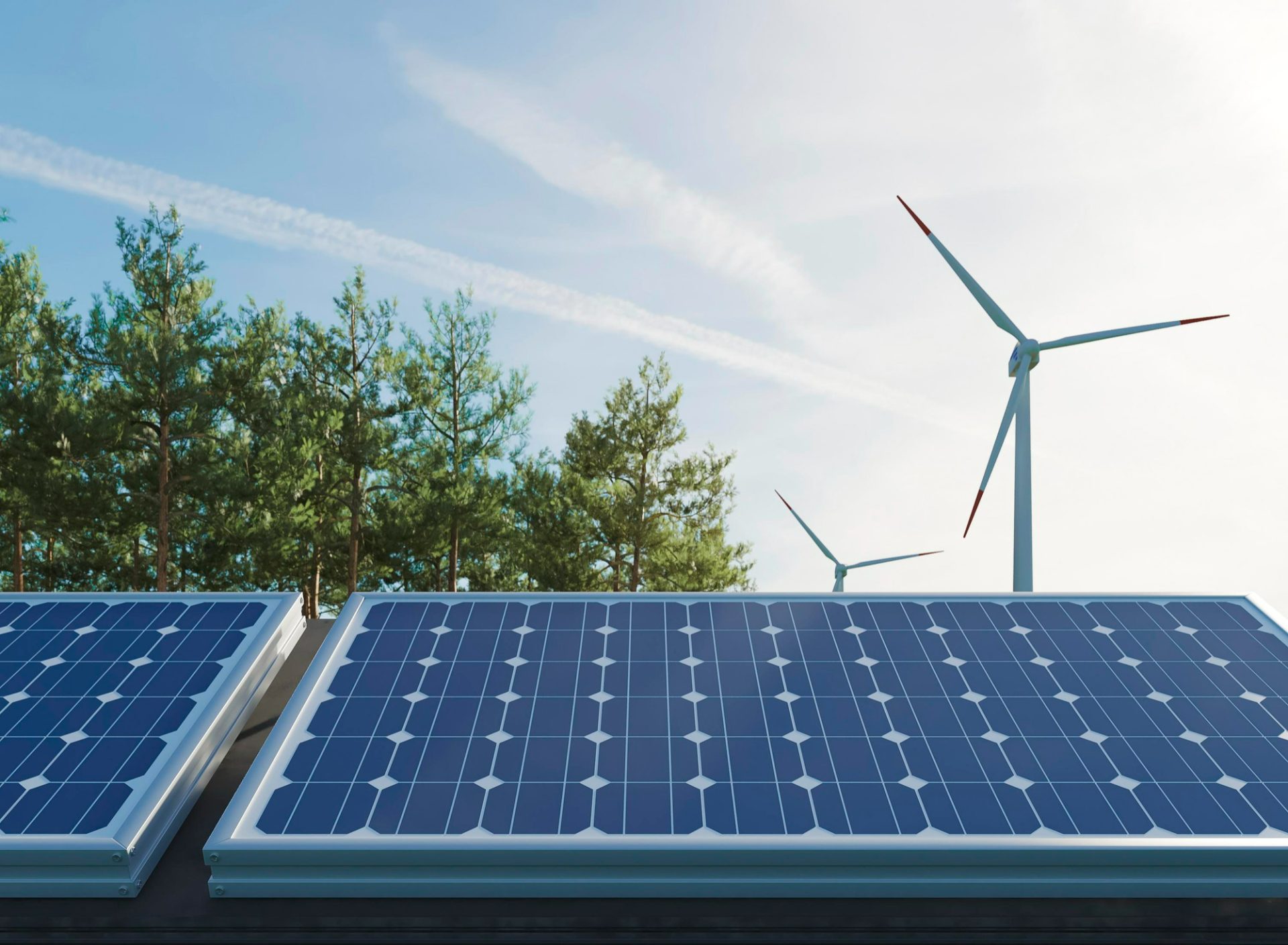
Renewable energy sources are becoming a key pillar of energy security as they reduce dependence on volatile global markets, stabilize costs, and deliver broader social benefits. Although the transition is uneven and depends on resources and investment, the trend clearly shows that renewable energy is becoming the foundation of future energy systems.