



Newsletter Subscribe
Enter your email address below and subscribe to our newsletter


Extreme weather and climate-related events caused economic losses of approximately €920 billion across the European Union between 1980 and 2025. More than €270 billion of this amount was recorded in the last five years alone, indicating an intensification of the economic consequences of climate extremes, according to the latest indicator published by the European Environment Agency (EEA).
Almost one-third of the total economic losses caused by extreme weather and climate-related events in the European Union occurred between 2021 and 2025. Floods accounted for 44% of the total damage, while less than one-fifth of the losses were insured.
The figures include direct economic losses, expressed in 2025 euro values, while indirect consequences, such as reduced productivity and GDP, as well as impacts on the environment and human health, are not included.
Economic damage is expected to increase as climate change intensifies, particularly given that existing adaptation measures are not keeping pace with growing climate risks.
Floods Account for the Largest Share of Damage
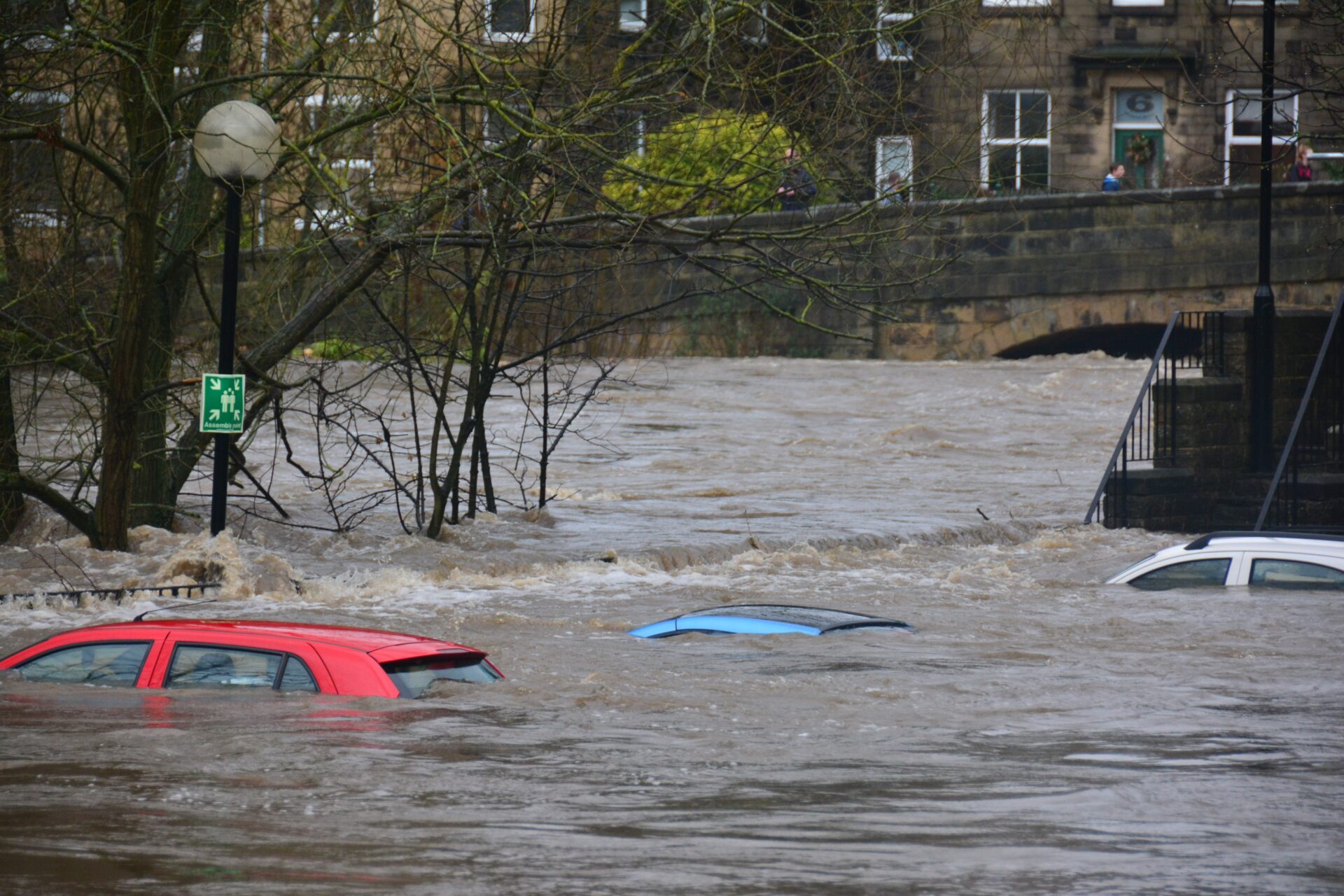
Floods are the single largest cause of economic losses, accounting for 44% of the total damage recorded between 1980 and 2025. Climatological events, including droughts, cold waves and frost, as well as meteorological events such as storms and lightning, each account for approximately one-quarter of total losses. Wildfires, hail and heatwaves together are responsible for around 5% of direct economic damage.
The data also show that most losses resulted from a relatively small number of events. In fact, the 5% of extreme events with the highest economic damage caused 63% of total losses, while just 1% of events accounted for 31% of the damage.
In absolute terms, Germany, Italy and France recorded the highest economic losses between 1980 and 2025. When losses are measured per capita, Slovenia, Spain and Luxembourg rank highest, while Slovenia, Belgium and Luxembourg recorded the greatest losses per unit of land area.
The level of insurance coverage against climate risks is particularly concerning. Less than 20% of total economic losses in the EU during the period under review were insured. This share was below 2% in Bulgaria, Cyprus and Romania, while it exceeded 60% in Denmark and Luxembourg.
COP31 in Antalya: Three Decades of Climate Negotiations and Six Priorities for 2035
Croatia: 33,000 Tonnes of Illegally Buried Waste Covered in Gospić
Climate Risks Require Stronger Adaptation Measures
The first European Climate Risk Assessment (EUCRA) warned that climate risks are accelerating and that their interconnected nature could create systemic challenges affecting entire societies. The assessment also points to potentially significant future economic consequences: at 3°C of global warming, annual losses for the EU and the United Kingdom could reach at least €175 billion.
Future costs will depend on the frequency and intensity of extreme events, the value of assets exposed to risk, and the effectiveness of measures taken by societies and economies to adapt to climate change.
In 2021, the European Union adopted its Strategy on Adaptation to Climate Change, while in October 2026, the European Commission presented the European Climate Resilience Framework. Both initiatives aim to strengthen preparedness for managing climate risks and reducing economic losses.
The new framework also envisages a proposal for a European Climate Resilience Act, alongside a set of practical tools designed to help shift the focus from responding to disasters towards anticipating climate impacts and preventing avoidable damage.
Energy portal