

Newsletter Subscribe
Enter your email address below and subscribe to our newsletter


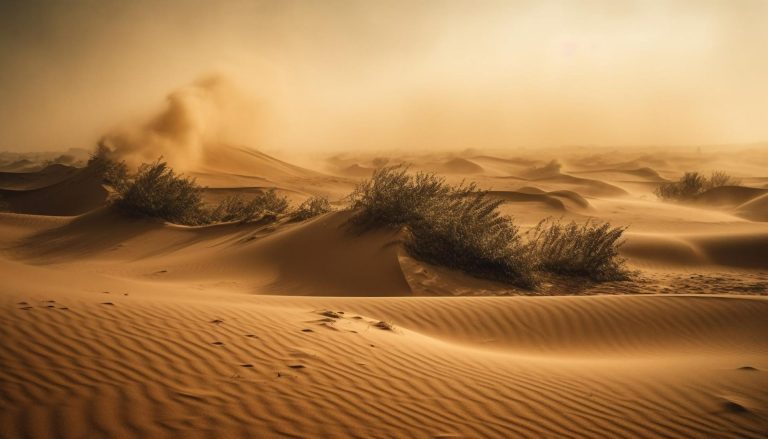
Sand and dust storms (SDS) have increased dramatically in intensity and frequency in recent years, especially in some regions, highlighting how the phenomenon damages crops and livestock, worsens desertification, and causes health problems, with an estimated 2 billion tonnes of…
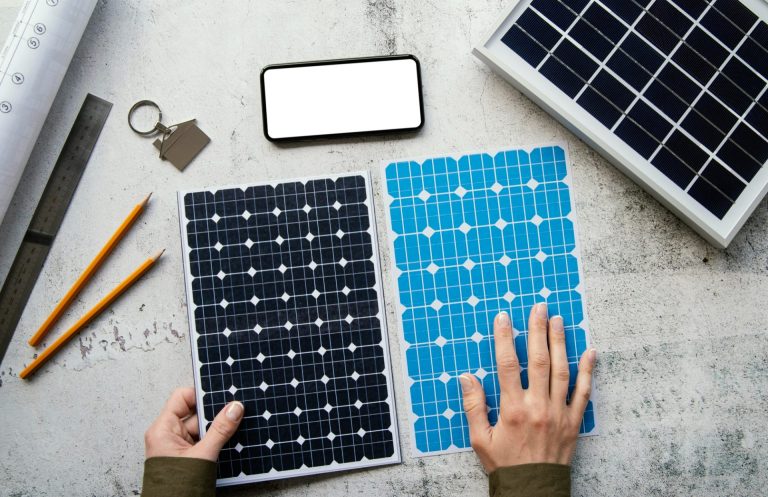
The birds in the trees might already know how important solar energy is, but even if they don’t, from their bird’s-eye view, they surely notice an increasing number of solar panels on the rooftops of buildings, garages, and the ground.…

Greenhouse gas emissions cause several negative consequences on the planet, such as air pollution, increasing ocean acidity and perhaps the most talked about problem – global warming. Research conducted in almost all corners of the world showed that agriculture was responsible…
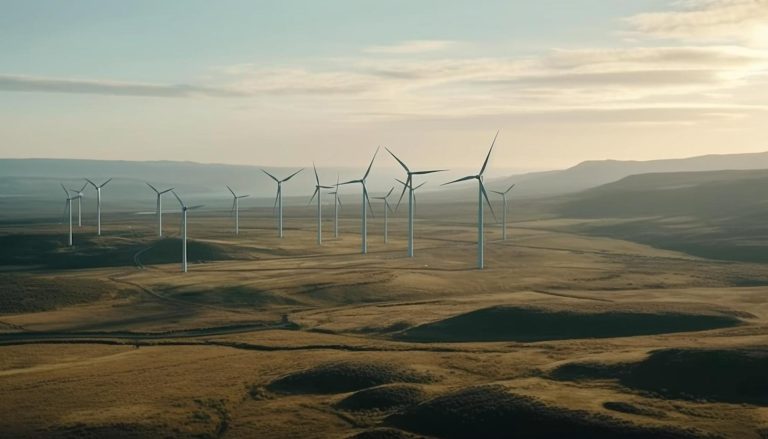
On 30 June all 27 Member States were due to submit the final version of their National Energy and Climate Plans (NECPs). This comes after the European Commission had reviewed their draft plans. The NECPs outline the national strategies countries…
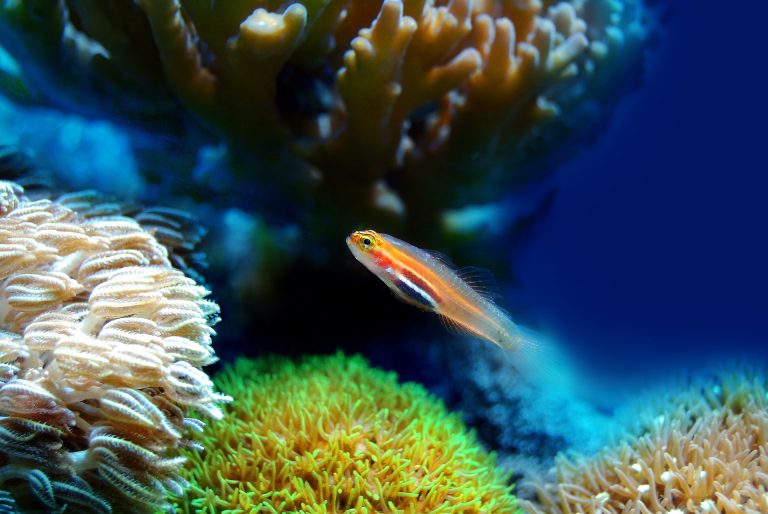
In the face of increasing threats to coral ecosystems and the recent announcement of a fourth global coral bleaching event, the Global Fund for Coral Reefs (GFCR) Executive Board has announced over 25 million USD in additional grant funding to…
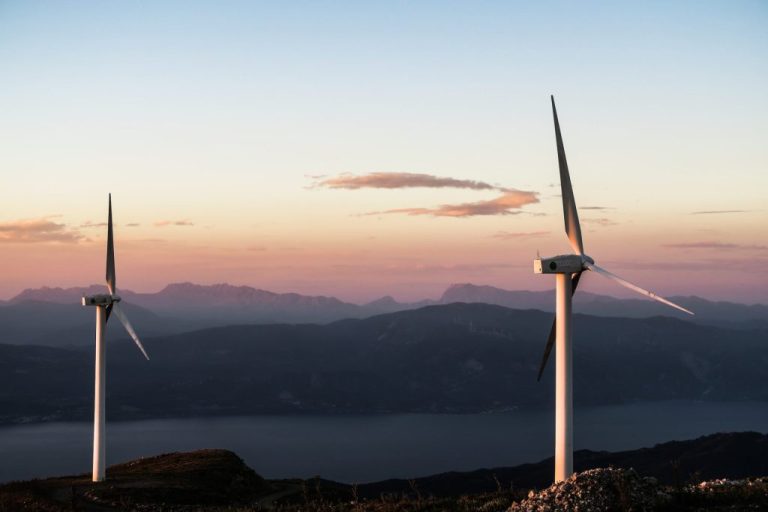
The EU wants to increase its wind energy capacity from 220 GW today to 425 GW by 2030 and 1,300 GW by 2050. Wind is key to energy security, affordable electricity and industrial competitiveness. In its recent revision of the…
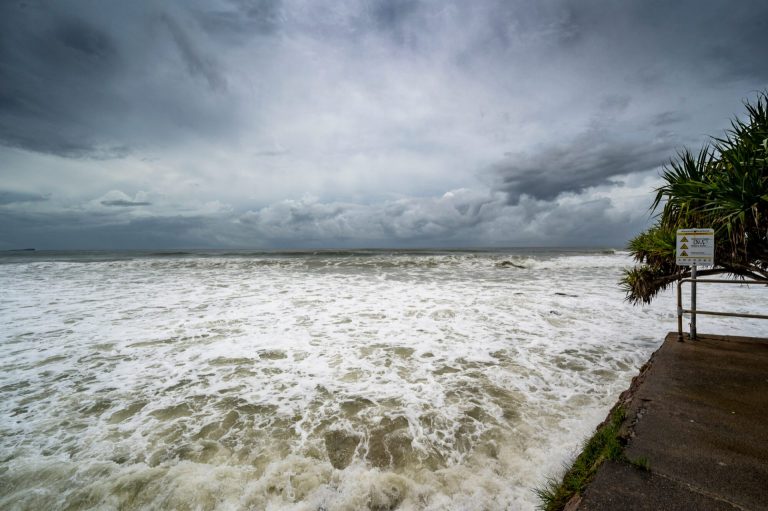
A WMO international committee of experts working under the auspices of the Weather and Climate Extremes Archive conducted a detailed analysis and verification of the distance and duration. The evaluation committee recognized Tropical Cyclone (TC) Freddy’s duration of 36.0 days…