
Newsletter Subscribe
Enter your email address below and subscribe to our newsletter


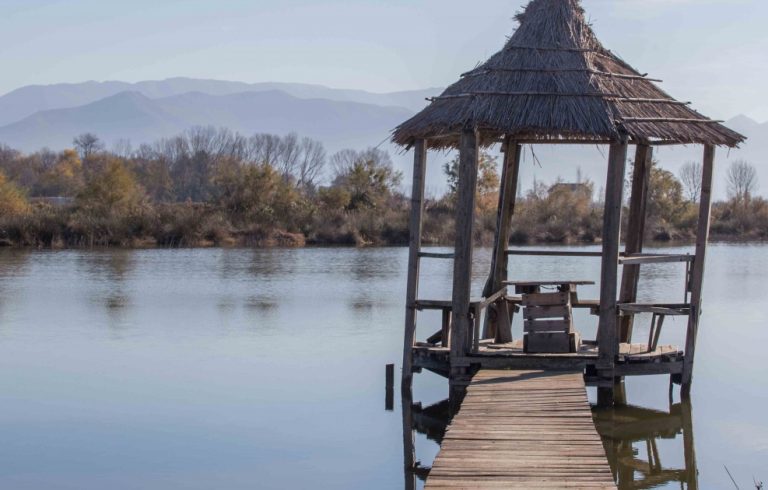
When Albert Pati moved closer to the sea to open a beach bar overlooking the Mediterranean in Albania, he never imagined that the sea would also be moving closer to him, now eroding the soil around his restaurant floor. Even…
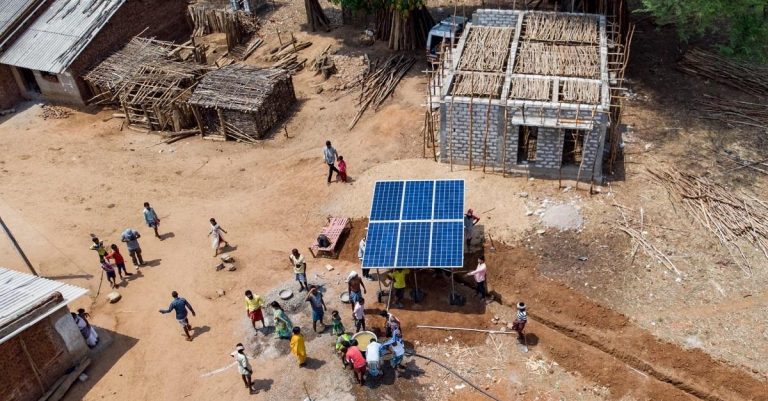
Despite accelerated progress over the past decade, the world will fall short of ensuring universal access to affordable, reliable, sustainable, and modern energy by 2030 unless efforts are scaled up significantly, reveals the new Tracking SDG 7: The Energy Progress…
The Bureau of the Conference of the Parties to the UNFCCC (United Nations Framework Convention on Climate Change), with the UK and its Italian partners, agreed yesterday new dates for the COP26 UN climate conference, which will now take place…
The jubilee 35th edition of the International Scientific & Expert Meeting of Gas Professionals will open its doors on the 21st of October, 2020 traditionally in Opatija, Croatia. During three days of the event 600 delegates, representing more than 200…
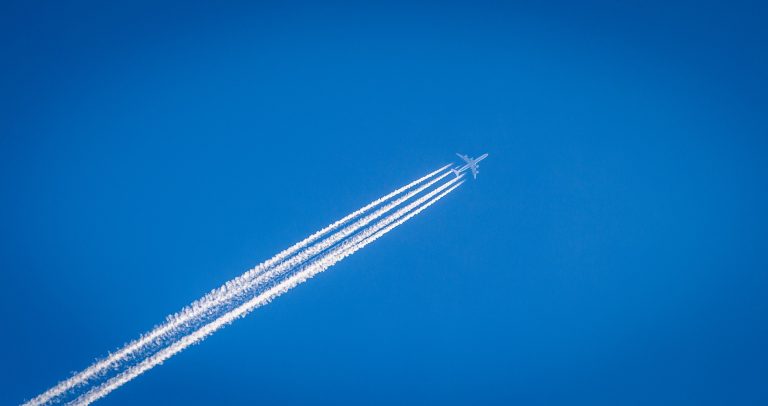
Global restrictions put in place COVID-19 pandemic saw carbon dioxide emissions fall to their lowest level since 2006. The drop was highest in early April, when regions responsible for 89% of global emissions were under some form of lockdown. The…
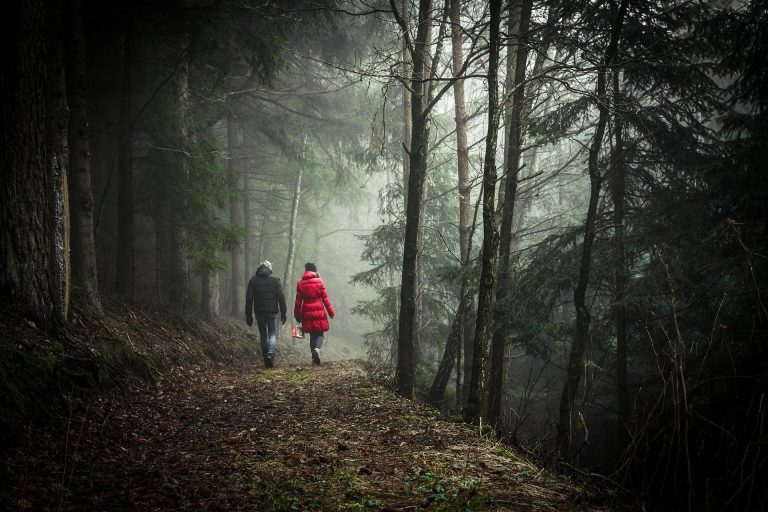
As the United Nations Decade on Biodiversity 2011–2020 comes to a close and countries prepare to adopt a post-2020 global biodiversity framework, this edition of The State of the World’s Forests (SOFO) examines the contributions of forests, and of the…
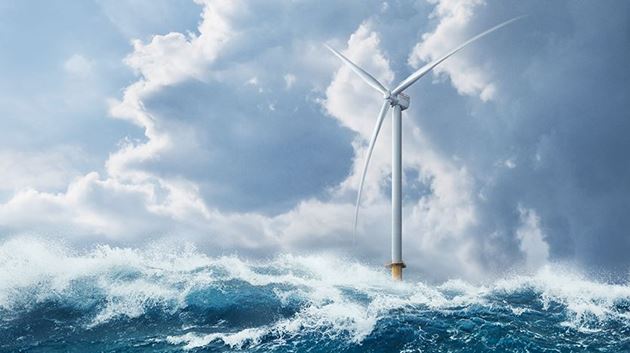
The winds of change have never been stronger, especially when it comes to meeting the world’s needs for clean, renewable energy. Siemens Gamesa’s new SG 14-222 DD offshore Direct Drive wind turbine now sees the light of day as a…