

Newsletter Subscribe
Enter your email address below and subscribe to our newsletter

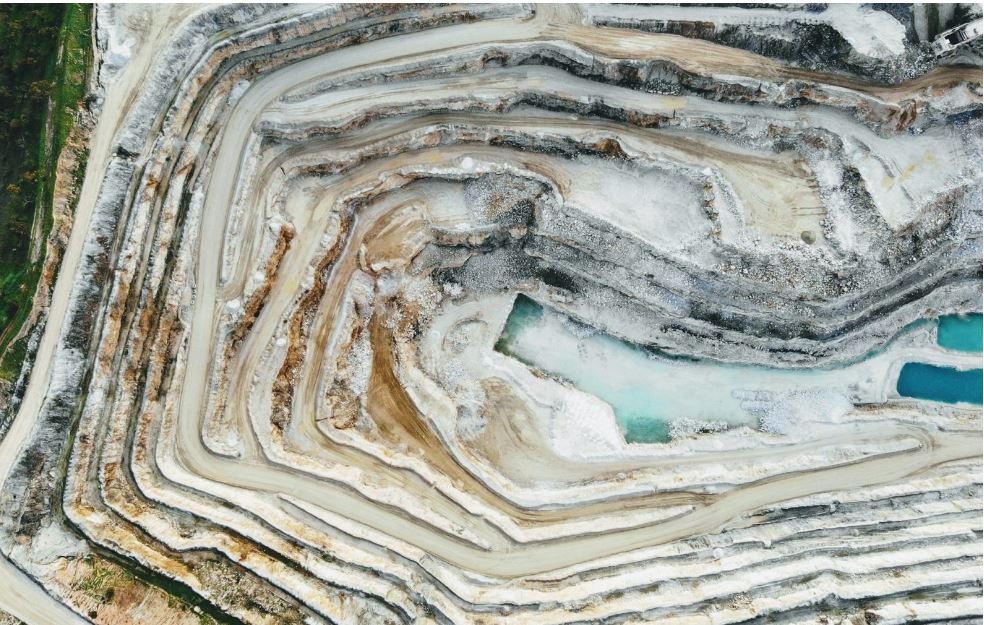
A group of twelve Bulgarian non-governmental organizations has requested the relevant ministry in Sofia to be officially included in the procedure concerning the Spatial Plan for the “Čukaru Peki” and “Malka Golaja” mining and metallurgical complex. The request, sent on August 18 to Minister of Environment and Water Rosica Karamfilova, arrived a day after a coalition of 28 Romanian associations took the same step, announced the initiative Timočka Buna.
Among the signatories of the letter are the “Balkani” Wildlife Society, “Balkanka,” the “BlueLink” Foundation, “Za Zemju” (For the Earth), and the “Zeleni zakoni” (Green Laws) initiative. Their request is based on the Kiev Protocol to the Espoo Convention, which provides for transboundary consultations when a project may affect the environment of a neighboring country.
Why Bulgaria is Seeking to be Involved
The argument of the Bulgarian organizations is geographical: the Timok River, whose basin includes the area around the complex, flows into the Danube upstream of the Bulgarian municipalities of Bregovo, Vidin, and Lom. Therefore, they are seeking recognition of their status as a potentially affected party already at the draft plan stage — which would mean that Bulgarian institutions, local self-governments, and citizens receive the plan and the strategic assessment report translated into Bulgarian, as well as the right to receive answers to their comments at any potential public hearing under the same conditions as participants from Serbia. They are also asking the ministry to proactively inform the municipalities, basin directorates, and communities downstream of the complex.
In one segment, the Bulgarian letter goes further than the Romanian one: if Serbia refuses to initiate the notification process, the organizations request that it be asked for a written justification for such a decision. Additionally, they insist on independent expert assessments of the transboundary and cumulative impact — including the planned expansion of the “South Revir” pit and the relocation of the Mali Pek river — as well as an assessment of the impact on the biodiversity of the Malka Golaja area. They propose that the issue be raised bilaterally, with the Serbian ministry, and at the level of the European Commission.
The Bulgarian side cites its own experience in its justification. Following complaints from the organizations Earth Thrive and “Balkanka,” the Standing Committee of the Bern Convention in December 2025 ordered Serbia to halt polluting activities in the mining areas of Bosilegrad and Homolje, remediate the resulting damage, and report on transboundary cooperation with Bulgaria. This concerns the Podvirovi (Karamanica) mine, whose runoff reached the Dragovištica river, which then flows into Bulgaria.
It is precisely the difference compared to that case that is the point of the new letter: the organizations are seeking to have the neighboring country involved before pollution occurs, rather than reacting to the problem retroactively, through complaints and sanctions.
The Romanian request from 28 organizations, sent a day earlier, also contains a more detailed description of the plan for the complex itself.
Energy portal