

Newsletter Subscribe
Enter your email address below and subscribe to our newsletter


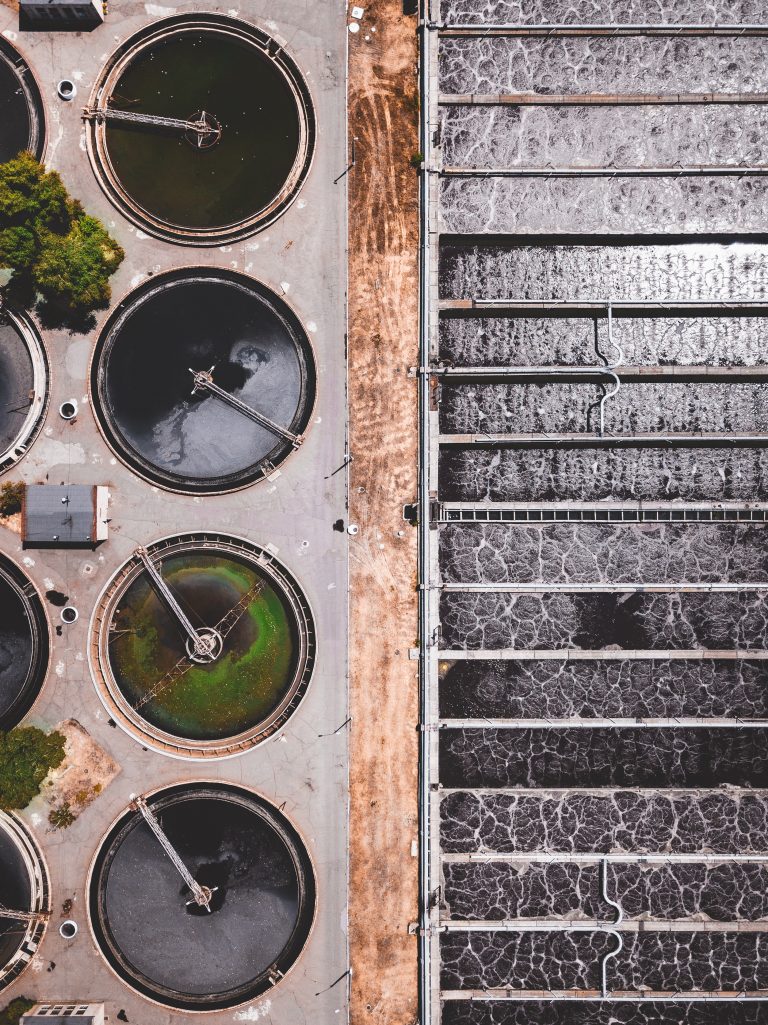
With 481 votes in favour, 79 against and 26 abstentions, Parliament adopted the deal reached with the Council in January 2024 on revising the EU’s water management and urban wastewater treatment standards to better protect public health and the environment.…
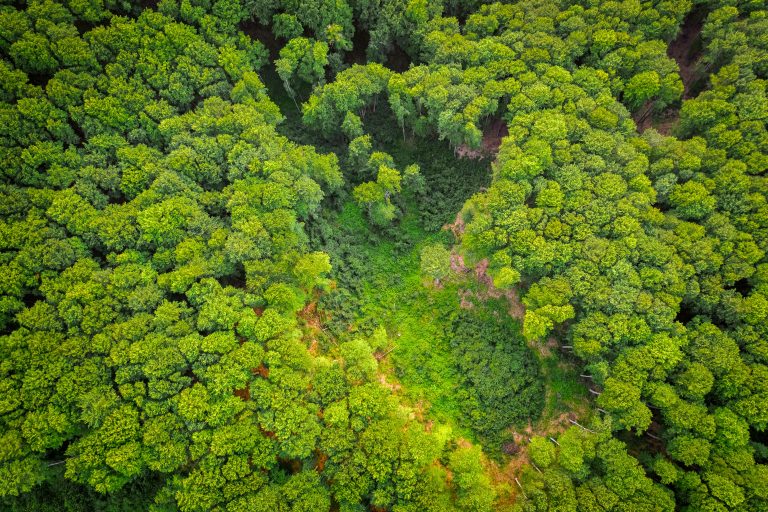
According to the latest research by the non-governmental organization Greenpeace, loans from Brazilian national and international banks and taxpayers’ money finance the illegal clearing of the Amazon rainforest. The investigation analyzed the granting of loans for agricultural production in Brazil…
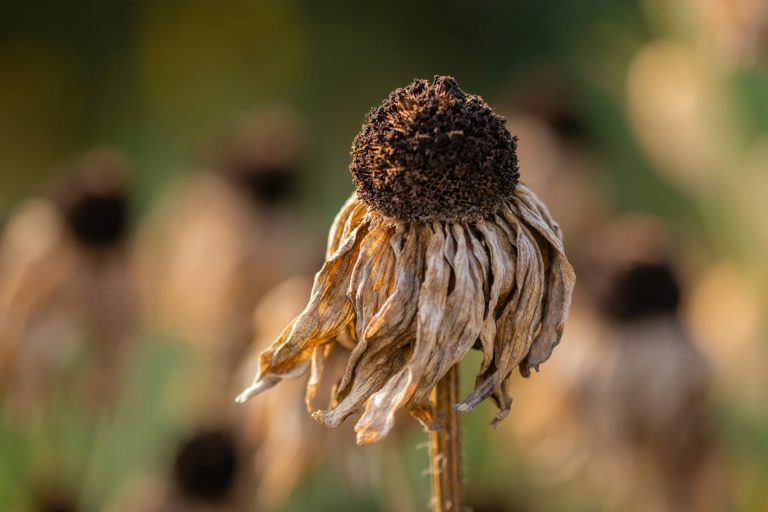
Zimbabwean President Emmerson Mnangagwa has declared a national disaster due to a drought that threatens to put 2.7 million people at risk of starvation this year, according to global media. Mnangagwa told a press conference that the country needs two…
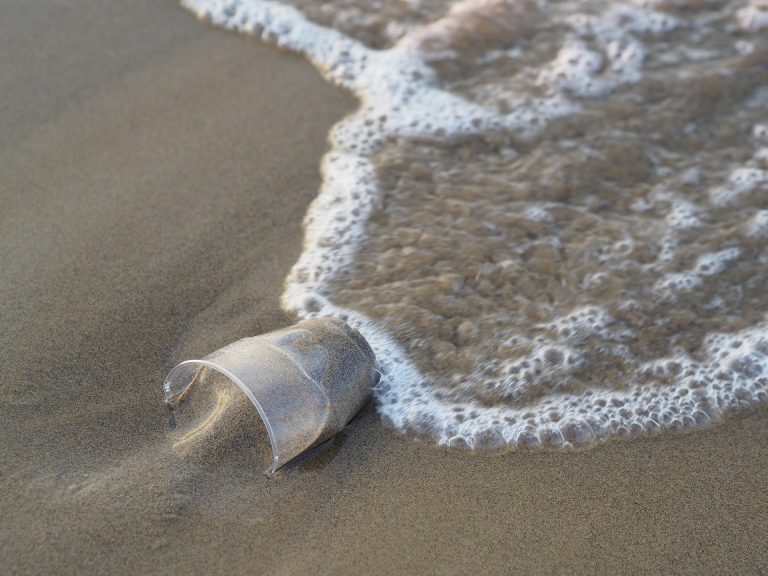
People are primarily concerned about the pollution of the sea by visible plastic floating on the surface of the water, but what should worry us, even more, is the sunken plastic waste that remains on the seabed forever. In collaboration…
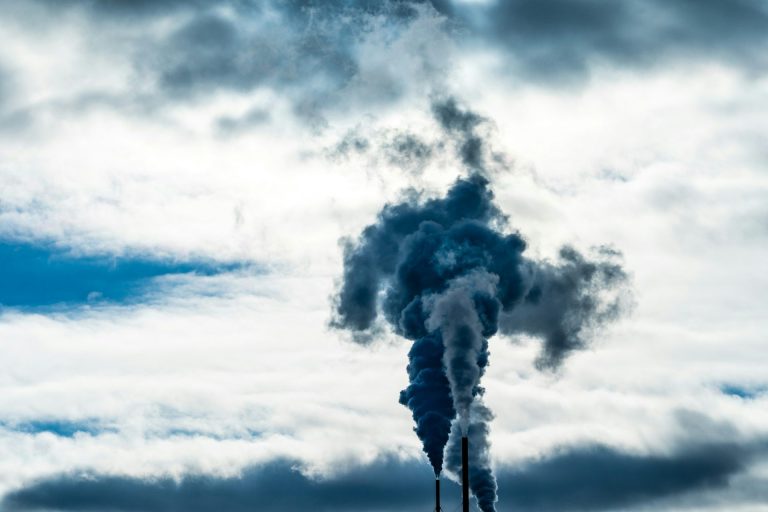
Last year’s emissions under the EU’s Emission Trading System (ETS) show the most significant annual emissions reductions since the ETS was launched in 2005. The main driver is the power sector’s significant progress in decarbonisation. The data reported by EU…
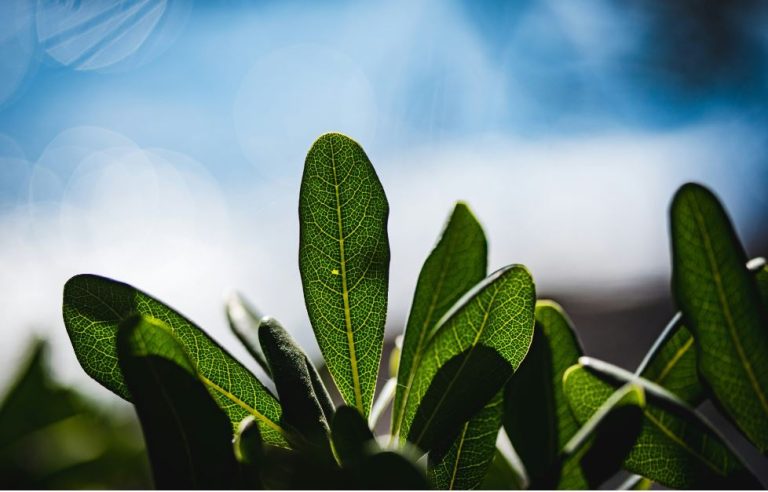
The idea of bioplastics is not new – for some time, environmentally oriented scientists have been trying to develop a fully recyclable replacement for plastic as we know it today. Researchers from Hokkaido University in Japan significantly contributed to these…
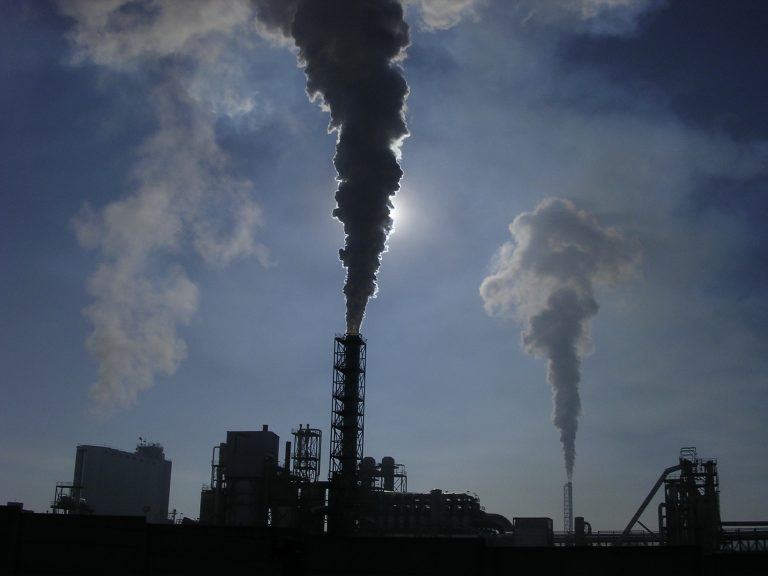
Methane emissions from the energy sector remained near a record high in 2023 – but substantial policies and regulations announced in recent months, as well as fresh pledges stemming from the COP28 climate summit in Dubai, have the potential to…