


Newsletter Subscribe
Enter your email address below and subscribe to our newsletter


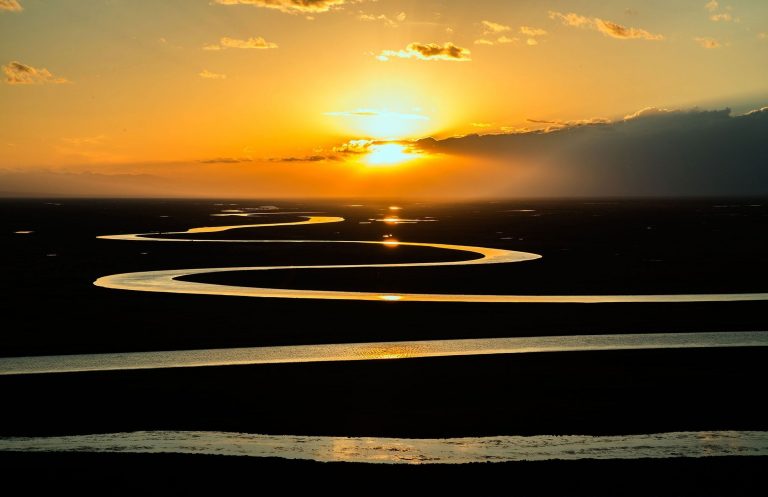
Water means different things to different people. For some, it nourishes livelihoods and drives local economies and for others it’s a source of recreation and reflection. Water is valued for a variety of reasons, but the common thread throughout is…
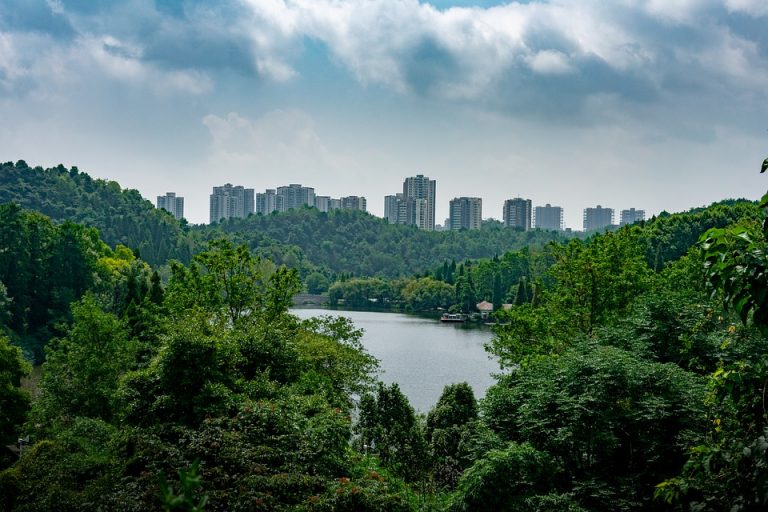
In the mid 20th century, whole cities’ sewage systems safely and successfully used fish to treat and purify their water. Waste-fed fish ponds are a low-tech, cheap, and sustainable alternative to deal with our own shit — and to obtain…

The briefing ’Responding to the health risks of climate change in Europe’ highlights key health impacts from climate change as well as opportunities to reduce climate-related health risks through adaptation policies aligned with mitigation actions. The briefing is a joint…
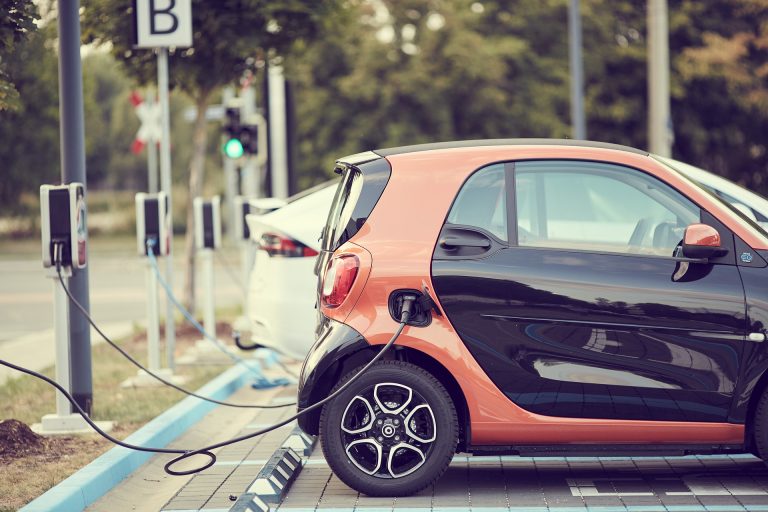
There is a myth that trade policy and climate action are inherently at odds. That does not have to be the case. Trade can, and should, be a driver of sustainable innovation, productivity, efficiency, and growth. The past year saw…
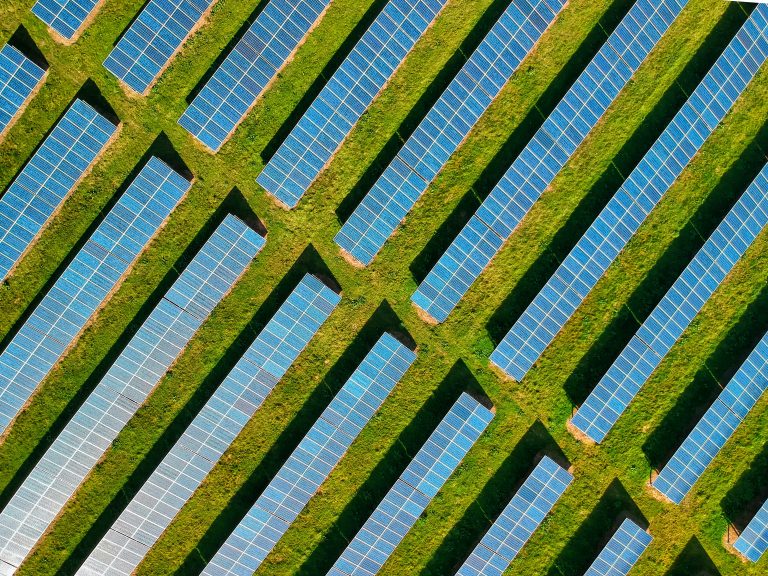
Critics of renewable energy often cite two reasons for why they think a transition from fossil fuels will take half a century. Firstly, that sources of renewable energy are too intermittent to be reliable and secondly, that governments cannot bear…
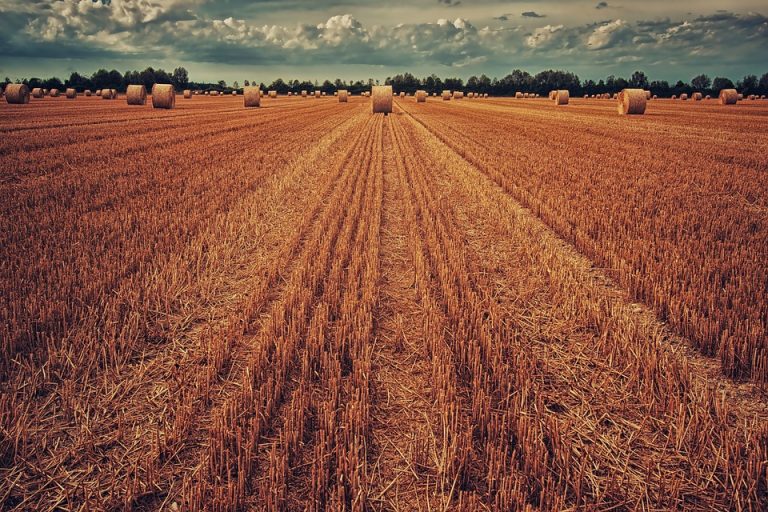
Agricultural management practices should be based on agroecological principles, organic farming and nature-based solutions, the EEA report ‘Water and agriculture; towards sustainable solutions,’ says. To achieve this, more ambitious measures to promote sustainable agriculture are needed in the upcoming EU…
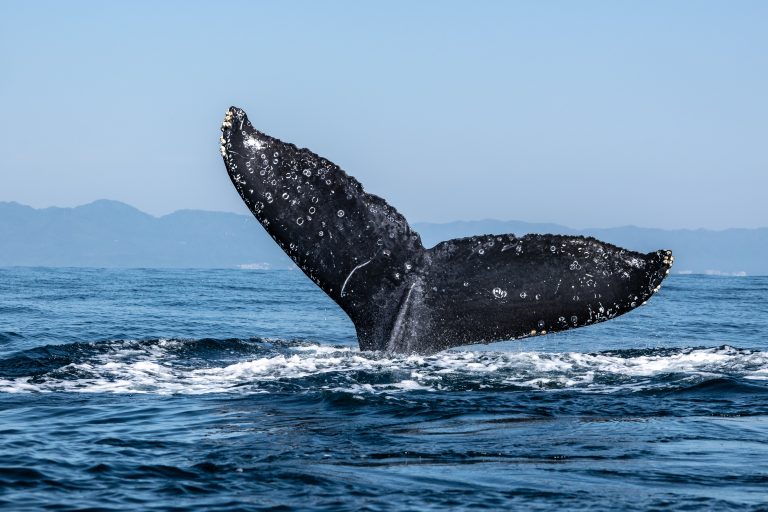
The year 2050 has been predicted by some to be a bleak year for the ocean. Experts say that by 2050 there may be more plastic than fish in the sea, or perhaps only plastic left. Others say 90 percent of our coral…