


Newsletter Subscribe
Enter your email address below and subscribe to our newsletter



More importantly, restrictions on travel also prevent tourism from delivering on its potential to build a better future for all. This week the United Nations Secretary-General launched the Policy Brief “COVID-19 and Transforming Tourism”, which UNWTO assumed the lead role…

The EEA’s briefing ‘Protected areas in the Eastern Partnership countries‘ found that between 2000 and 2019 coverage of nationally protected areas were expanded in all six partnership countries which includes Armenia, Azerbaijan, Belarus, Georgia, Moldova and Ukraine. Thanks to the European…
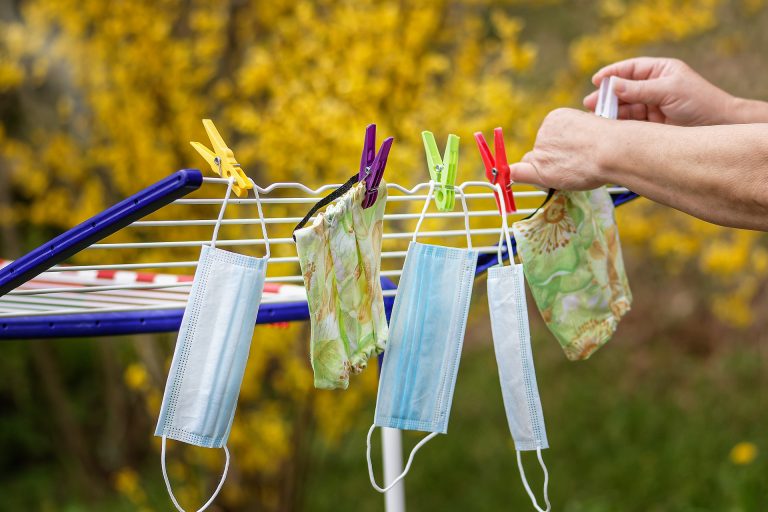
The impact of COVID-19 is transforming the way we live, from one day to the next. While national and local interventions are largely focused on protecting lives and economies, the management of hazardous waste is also essential to minimize long-term…
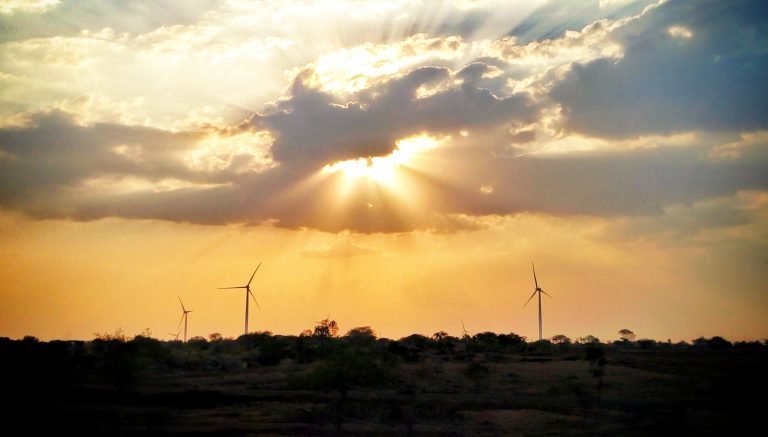
India’s largest renewable energy company, ReNew Power, and the UN Environment Programme (UNEP) have signed a partnership agreement to promote increased access to renewable energy and improved energy efficiency. The strengthened partnership between the two parties – who signed the…
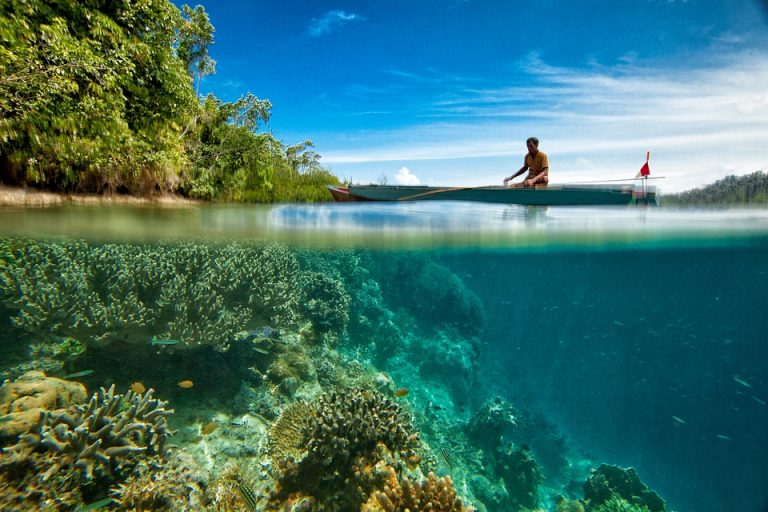
On July 25, 2020, a Japanese cargo ship struck a reef on the southeast coast of Mauritius, leaking tons of oil into coral reefs, pristine turquoise water lagoons and unique ecosystems of the island nation. The grounded ship split up,…
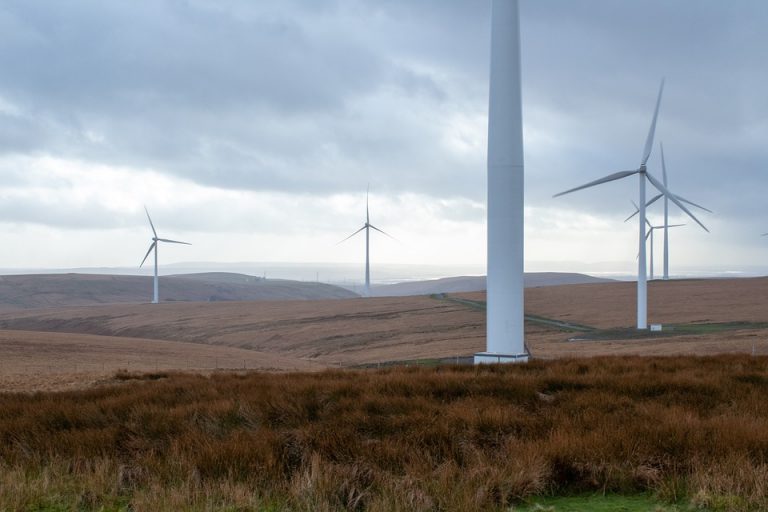
High-level energy and climate decision makers from Latin America and the Caribbean underlined the importance of low-carbon energy policy to securing stable, long-term prosperity across regional economies, during a webinar co-hosted by the International Renewable Energy Agency (IRENA) and the…

Some of the biggest names in mobile gaming today – with a combined active user base of 250 million players – unveiled a series of environmental activations they will be integrating into live games such as Subway Surfers, Angry Birds…