


Newsletter Subscribe
Enter your email address below and subscribe to our newsletter

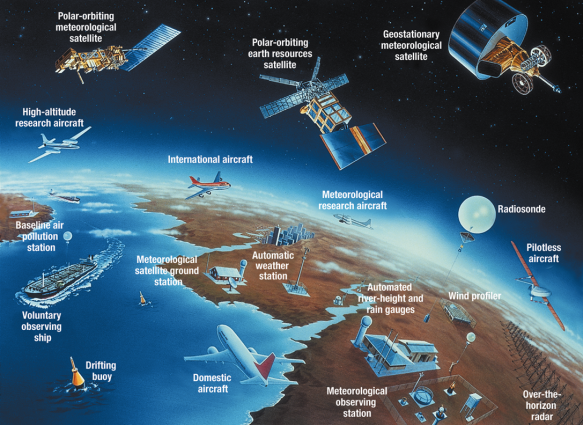
The World Meteorological Organization (WMO) is concerned about the impact of the COVID-19 pandemic on the quantity and quality of weather observations and forecasts, as well as atmospheric and climate monitoring. WMO’s Global Observing System serves as a backbone for…

Most of us have heard that coral reefs around the world are dying, largely because of warmer ocean temperatures and the increased acidity of seawater, but few people realize why that is important to humans. Who really cares if the…

Interview with Keith Alverson, Director of the United Nations Environment Programme (UNEP) International Environmental Technology Centre in Osaka, Japan. The Centre has produced a Compendium of Technologies for Treatment/Destruction of Healthcare Waste, a scientific and practical publication covering all aspects…
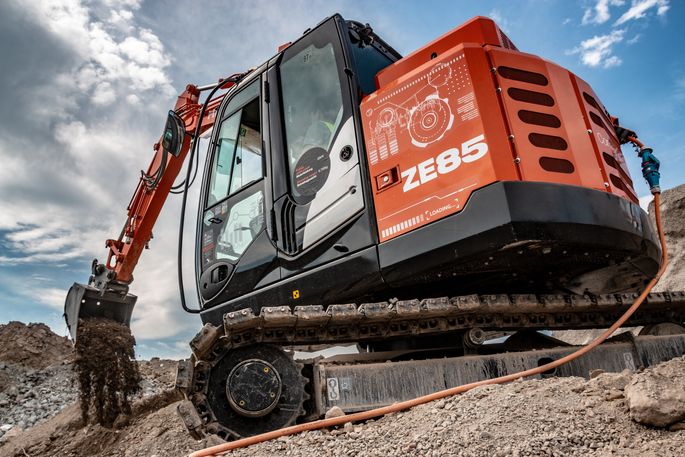
Even in cities like Oslo, Norway, which is typically thought of as progressive and “green”, more than 20% of the total CO2 emissions comes from heavy-duty construction equipment. That’s a huge number, and you can bet that older, less regulated…
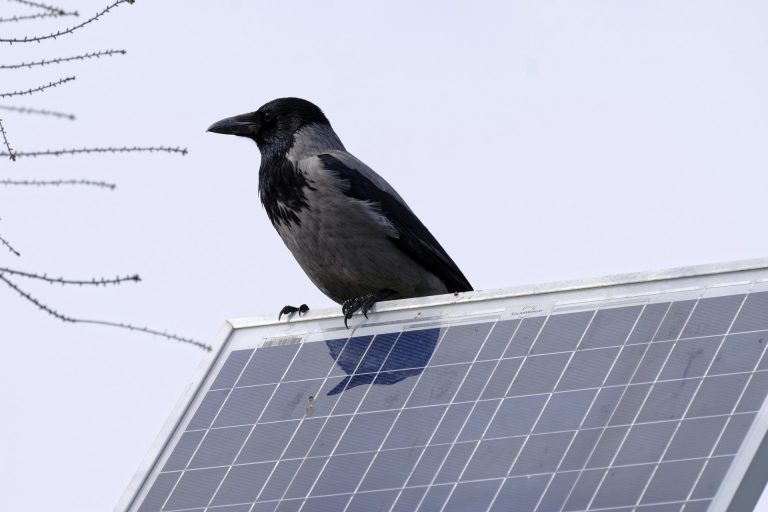
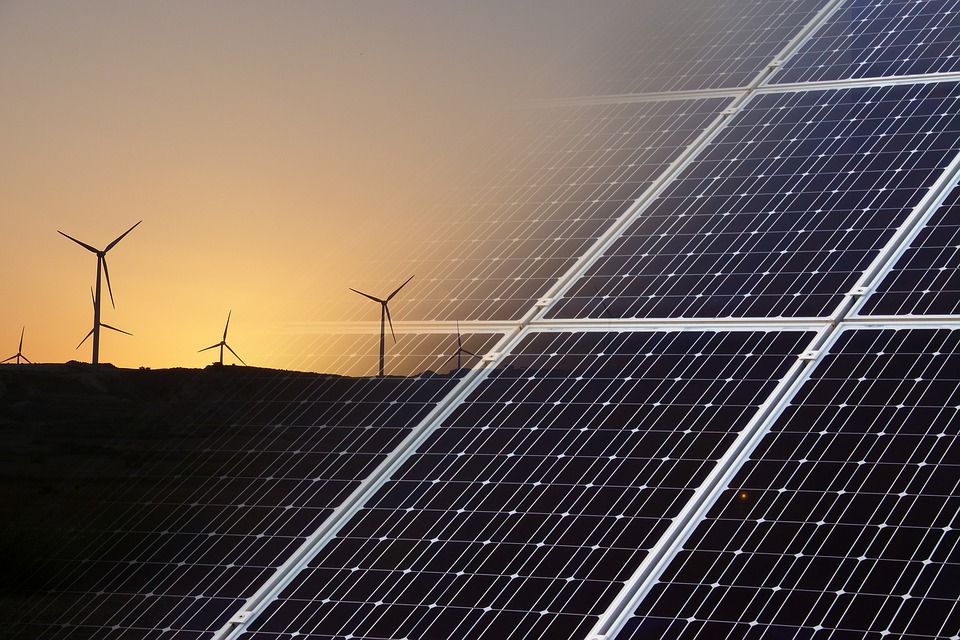
Solar panels are sprouting on farmland like mushrooms after the rain, but there’s no such thing as a free lunch. If too many solar panels replace too much cropland, there goes the food supply. However, farmers are beginning to learn…
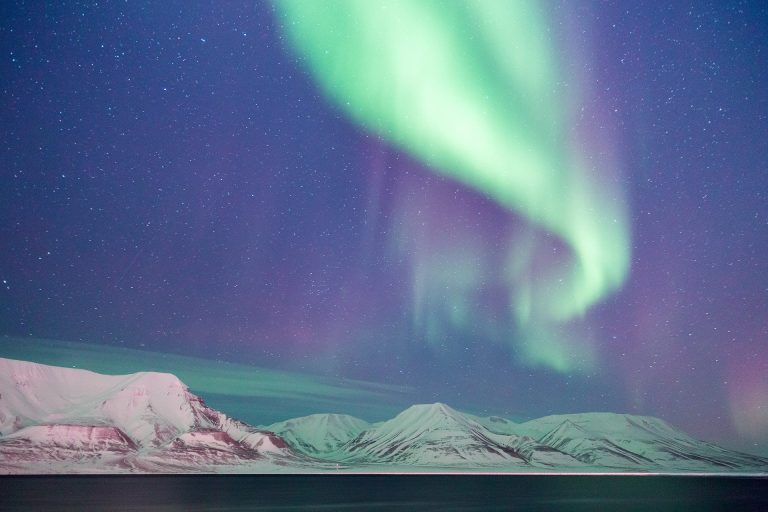
Depletion of the ozone layer, the shield that protects life on Earth from harmful levels of ultraviolet radiation, is at an unprecedented level over large parts of the Arctic this spring. This phenomenon is caused by the continuing presence…
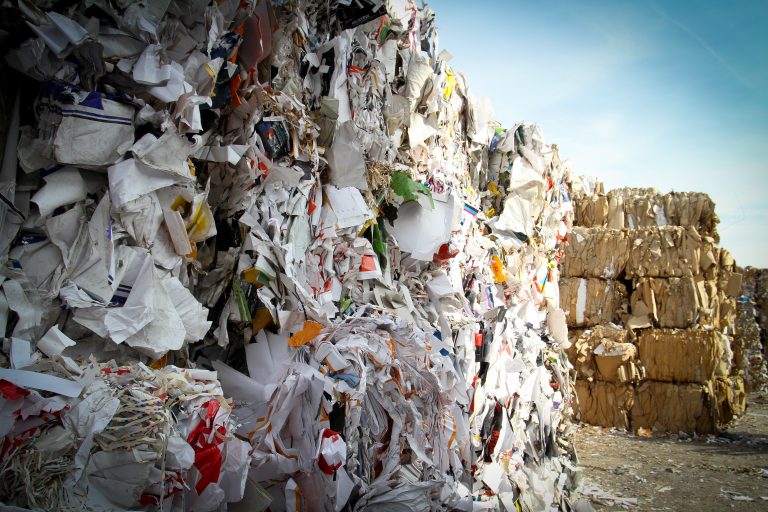
With the coronavirus disease (COVID-19) pandemic continuing to spread and its impacts upon human health and the economy intensifying day-by-day, governments are urged to treat waste management, including of medical, household and other hazardous waste, as an urgent and essential…