

Newsletter Subscribe
Enter your email address below and subscribe to our newsletter

An increasing number of regions worldwide are succeeding in combining economic growth with a reduction in carbon dioxide emissions, according to a study conducted by experts from the Potsdam Institute for Climate Impact Research (PIK) in Germany. By analyzing data…
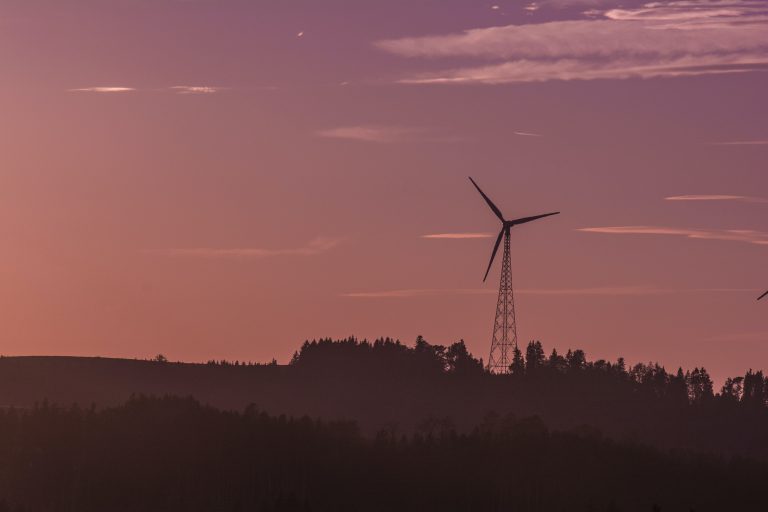
Regional conflicts and geopolitical strains are highlighting significant fragilities in today’s global energy system, making clear the need for stronger policies and greater investments to accelerate and expand the transition to cleaner and more secure technologies, according to the IEA’s…
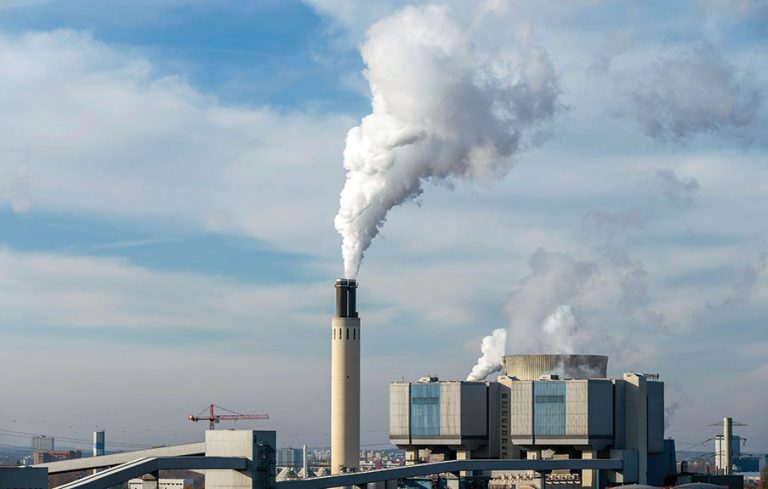
The energy transition is a global process involving almost every country in the world. The goal is to build a sustainable and secure energy system that can meet the growing demand for energy while reducing the negative impact on the…

In June 1972, dozens of countries convened in Stockholm, Sweden, for the United Nations Conference on the Human Environment, the first global gathering on the environment. Among the largest delegations was Belgium, with more than 40 representatives supporting a historic…
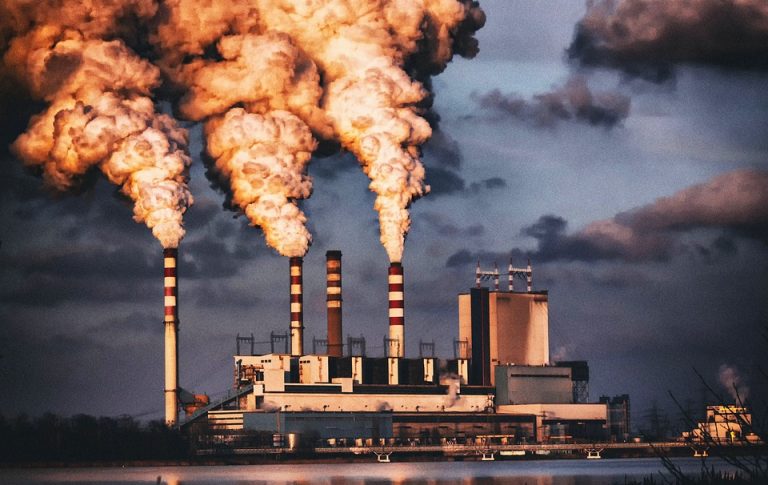
Climate change caused by human activities has led to widespread and rapid changes in the atmosphere, oceans, cryosphere, and biosphere. Its consequences and dangerous weather conditions are undoing developmental achievements and threatening the well-being of people and the planet, according…
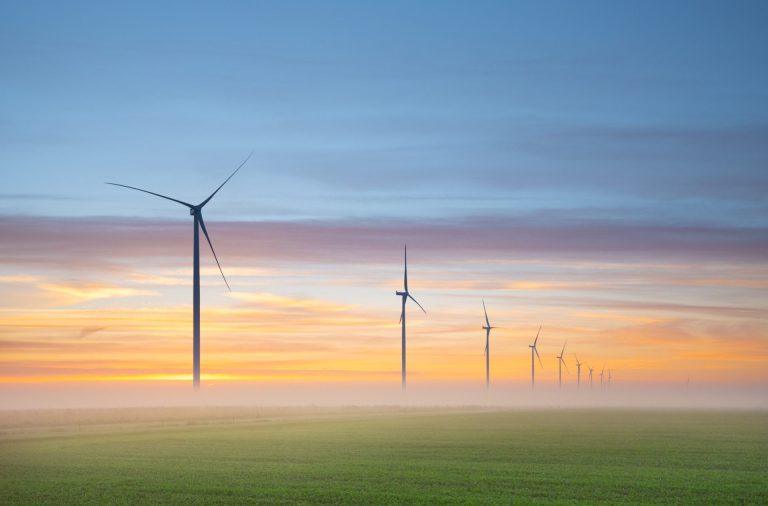
Fossil fuels, such as coal, oil, and gas, are the biggest contributors to global climate change, accounting for 75 percent of global greenhouse gas emissions and nearly 90 percent of all carbon dioxide emissions. To avoid the worst consequences of…
The world must rapidly cut its greenhouse gas emissions. Remarkable progress has been made, especially in the adoption of renewable energy in the transport and energy sectors, but the change is not happening fast enough to meet global net-zero ambitions.…