


Search Results for electric vehicles
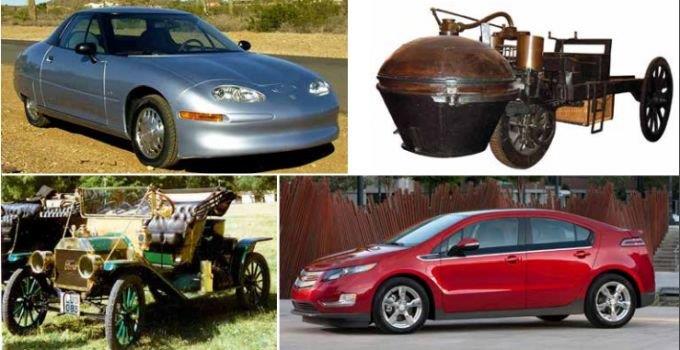
History of Hybrid and Electric Vehicles from the First Cars until Today
When it comes to cars today, it mainly refers to vehicles with an internal combustion engine (ICE) that draws its energy from a reservoir containing some kind of fossil fuel (gasoline, diesel or less natural gas). However, it is not known…

Dubai Announced Incentives to Boost Electric Vehicles Deployment
During a news conference held on Sunday, the Dubai Electricity and Water Authority (DEWA) in collaboration with Road and Transport Authority (RTA) announced a series of new incentives to spark the growth of electric mobility around the emirate. The new…
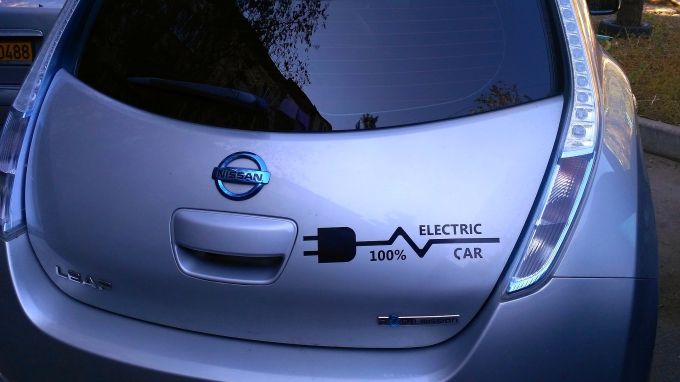
As New Electric Vehicles Come to Market, Older Models Get Discounted
As new electric vehicles (EVs) like Tesla’s much-anticipated Model 3 continue to hit the market with considerable fanfare, choices for consumers multiply. Existing EVs are now being priced to sell more quickly in many cases. Electrek reported that new Leafs…
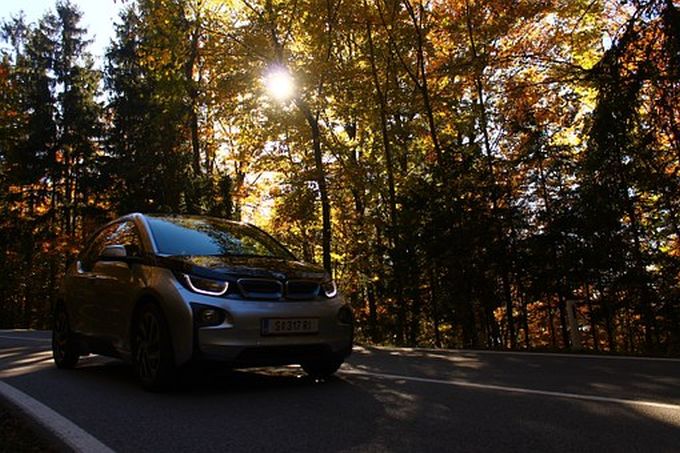
Romania Doubles Incentives For Plug-In Electric Vehicles
In a bid to help reduce the country’s growing air pollution problems, the government of Romania has reportedly doubled the incentives on offer for buyers of plug-in electric vehicles. Following the changes — creating the “Rabla Plus” program out of…
Hyundai Reportedly Working on Next-Gen Solid-State Batteries for Electric Vehicles
Major car companies like Hyundai have toyed with both hydrogen and electricity for clean fuel sources, but now it seems the Seoul, South Korea-based manufacturer may be taking a major step towards improving technology for their electric cars with solid-state…

Siemens Employees Can Charge Electric Vehicles for Free
Beginning in 2017, Siemens employees at as many as 100 of the company’s locations in Germany can “fill up” their electric vehicles free of charge. This will apply not only to all-electric vehicles but also to plug-in hybrid electric vehicles.…

Helping Lay the Groundwork for Electric Vehicles
For every promise of how electric vehicles will revolutionize transportation, there is a matching practical challenge. If electric vehicles need recharging, how do we make that process fast and convenient? If all our cars will be plugged in, how will…