

Newsletter Subscribe
Enter your email address below and subscribe to our newsletter


As I wrote earlier today, New Jersey has a legal requirement to cut its greenhouse gas emissions 80 percentage by 2050, based on 2006 levels. Its biggest source of emissions is transportation, accounting for more than 40 percentage of the state’s…

Up until recently, the majority of the US public transit system was powered by polluting fossil fuels such as diesel, which pose a serious risk to public health and contribute to global warming. Now, as cities turn to zero emission…

From the Atlantic Ocean and the Caribbean to the farthest reaches of the Indian and Pacific oceans, island communities face common and increasingly daunting energy challenges. On top of their vulnerability to climate change, Small Island Developing States (SIDS) tend to…
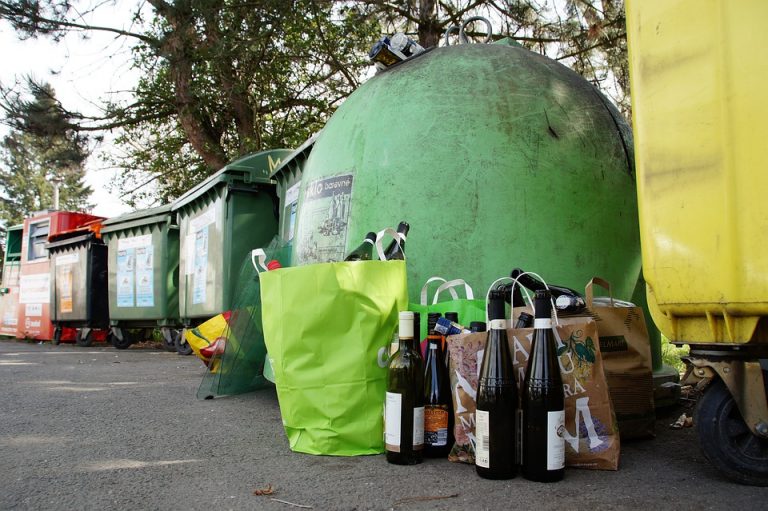
Niš and Sombor will be the first cities to receive about 600 bins for collecting glass packaging, as a donation from NALED and German Development Aid, in order to improve the primary selection of waste at the local level. Recycling…
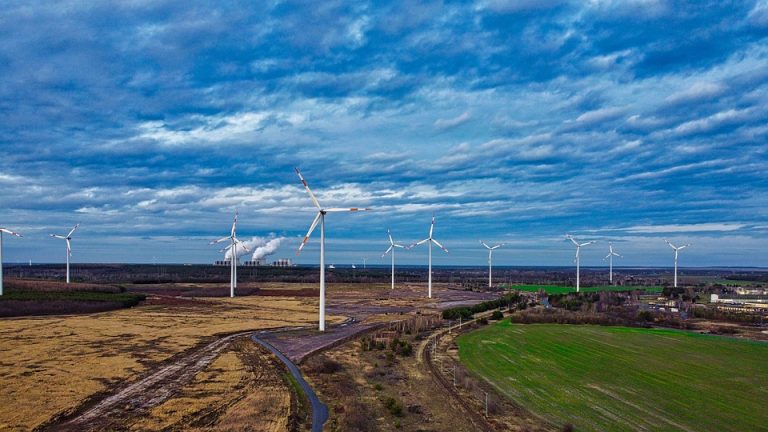
Within ten years, the economies of Central and South Eastern Europe could cover 34 percentage of their rising energy demand cost-effectively with renewables, a new report by the International Renewable Energy Agency (IRENA) finds. The Renewable Energy Roadmap for the…
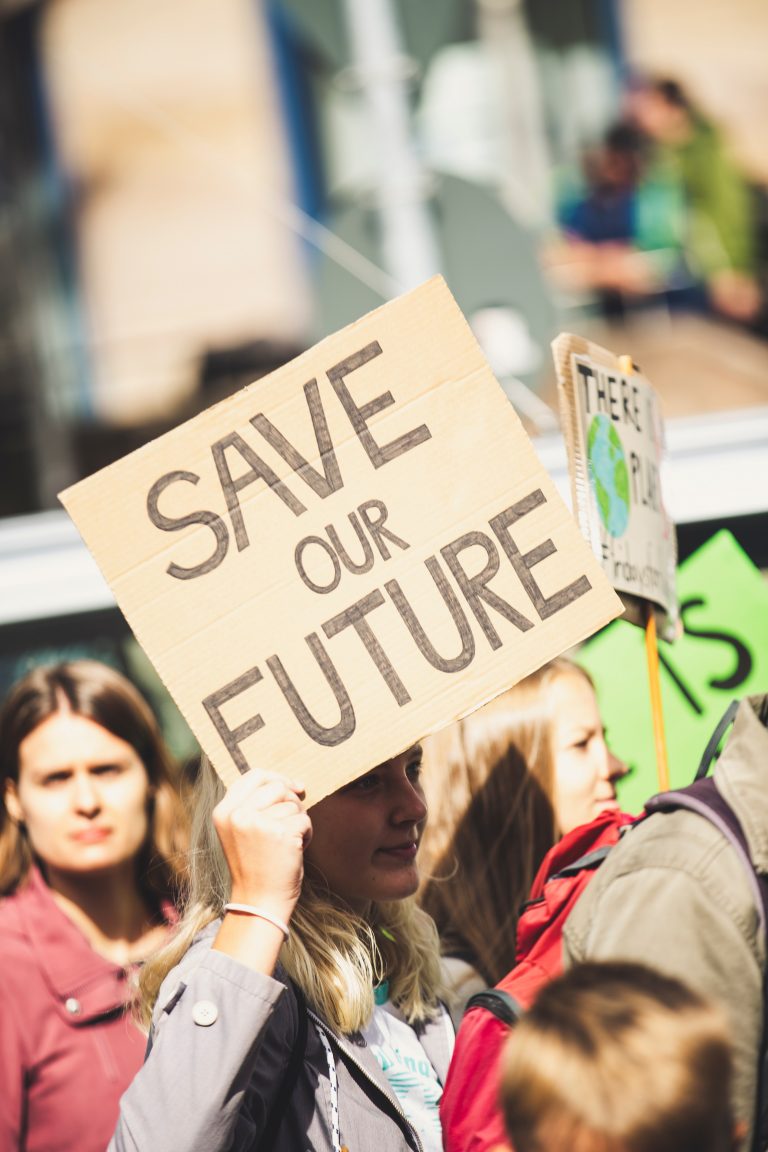
We call on you to guarantee that the new EU Chemicals Strategy protects our health and the environment, and fully lives up to the Commission’s commitments towards the zero pollution ambition for a toxic-free environment. The new strategy must rely…
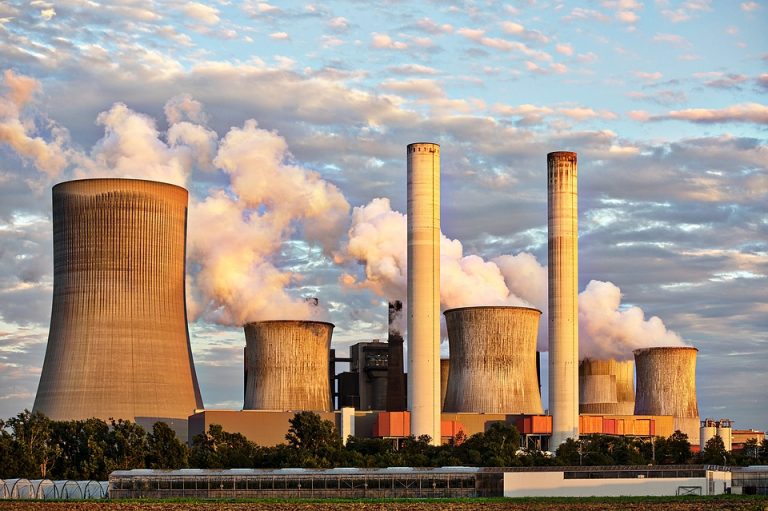
As climate change worsens, the future of fossil fuel jobs and infrastructure is uncertain. But a new energy storage technology invented in Australia could enable coal-fired power stations to run entirely emissions-free. The novel material, called miscibility gap alloy (MGA),…