Newsletter Subscribe
Enter your email address below and subscribe to our newsletter

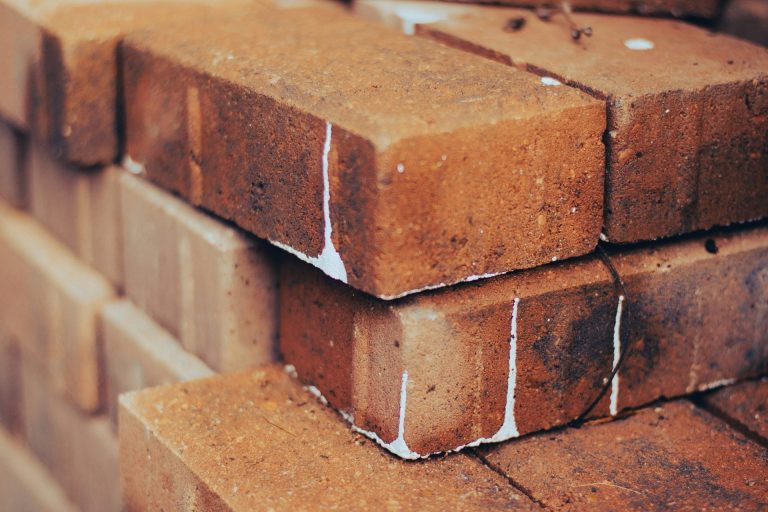
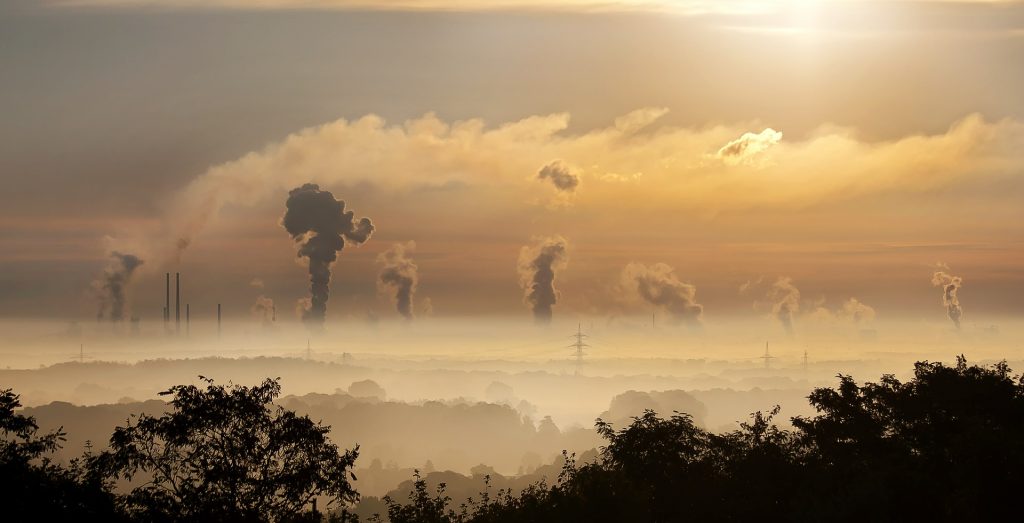
Bangladesh is among the most polluted countries in the world. A significant portion of this pollution stems from its industrial sector—especially textile, leather, and construction industries—as well as the wastewater they generate and the dense, unregulated traffic. The traditional brick-making…
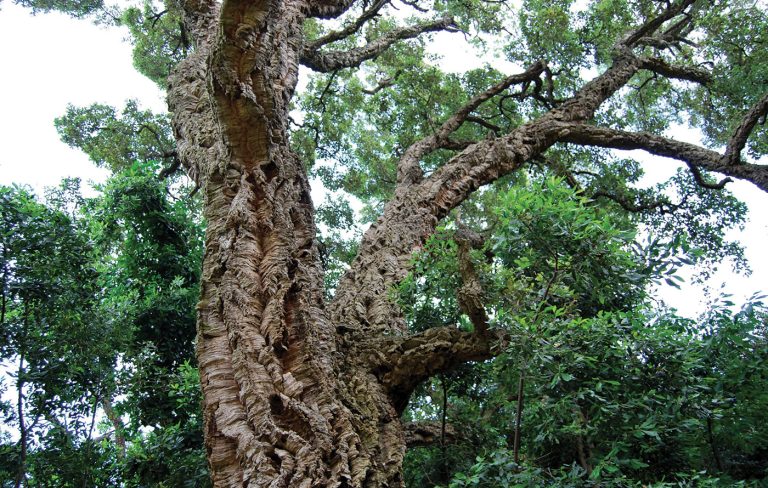
The planet is rapidly changing, facing challenges such as climate change and the depletion of natural resources. We need solutions that balance economic growth and environmental protection. In the search for better alternatives, the outer bark of the cork oak…
Energy costs and taxes are political dynamite, easily exploited by populist parties. And yet, the EU is set to introduce an economy-wide carbon price (ETS2) on transport and heating fuels in 2027. Carbon pricing for petrol and gas is not…

P aper is often presented as an environmentally friendly alternative to plastic, especially when it comes to packaging. However, even paper waste, if not properly managed, remains a source of pollution in its own way. Printing houses, as a sector…
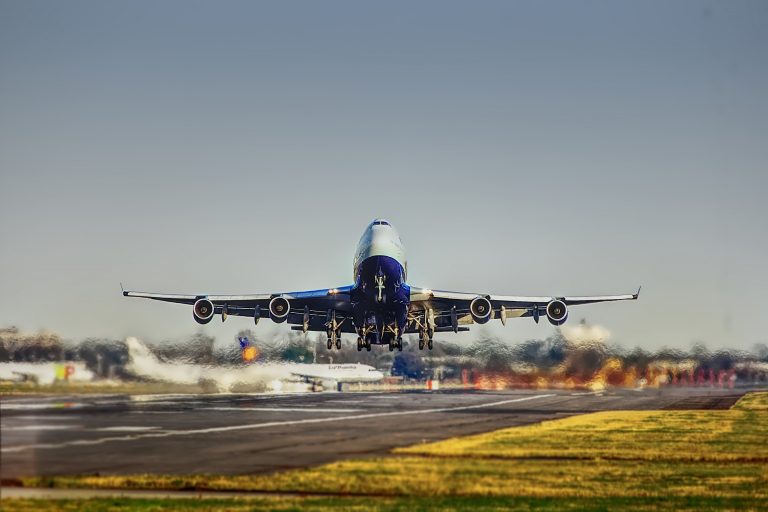
The COVID-19 pandemic led to a decrease in people’s mobility, resulting in a significant drop in emissions from the aviation sector. However, the latest data shows that by 2024, emissions have almost returned to pre-pandemic levels, despite efforts to decarbonize…
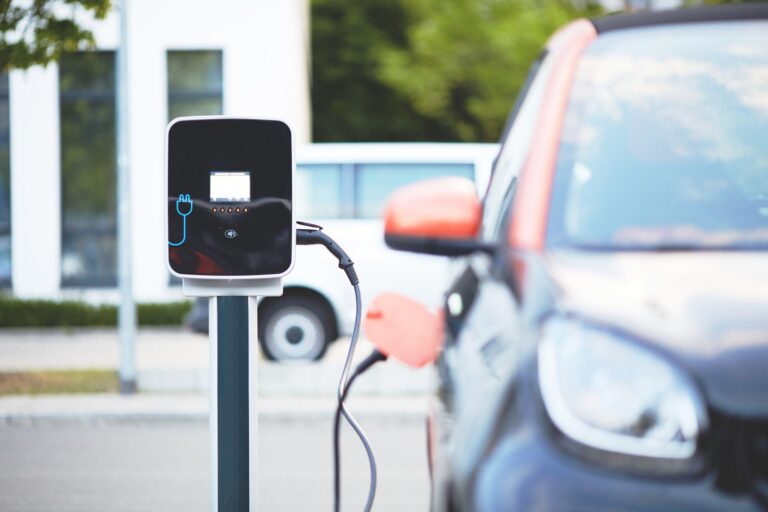
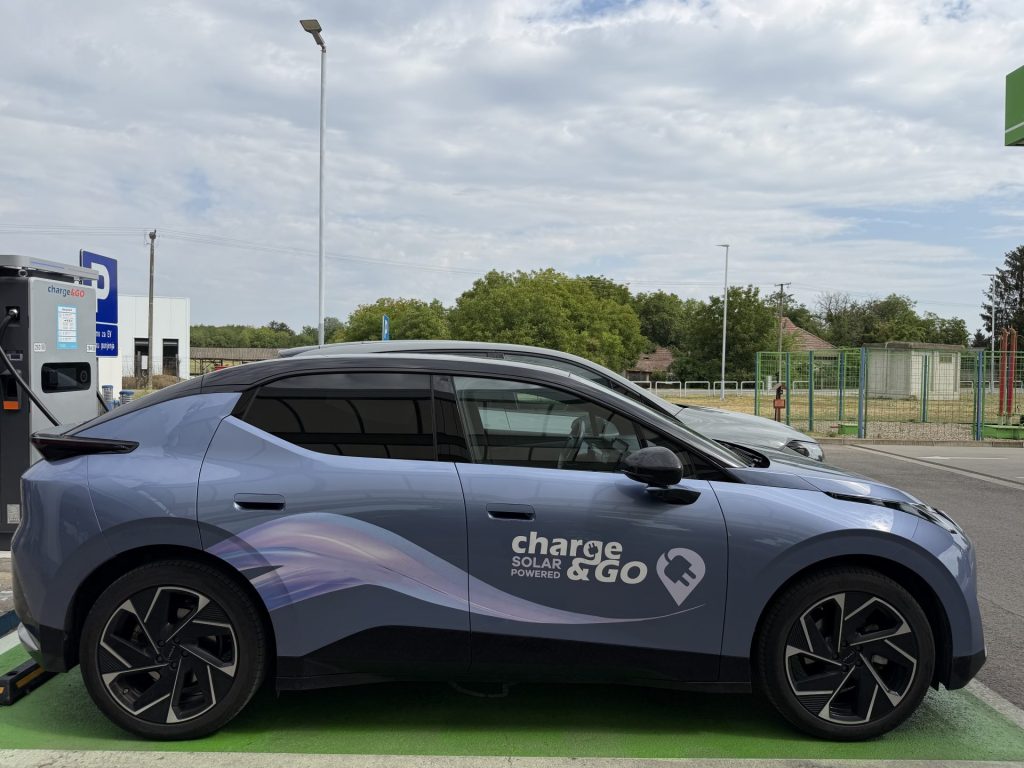
The Ministry of Transport of the People’s Republic of China, in cooperation with nine other government departments, has released a new circular document setting the goal for fully electric vehicles to become the dominant choice in new car sales by…
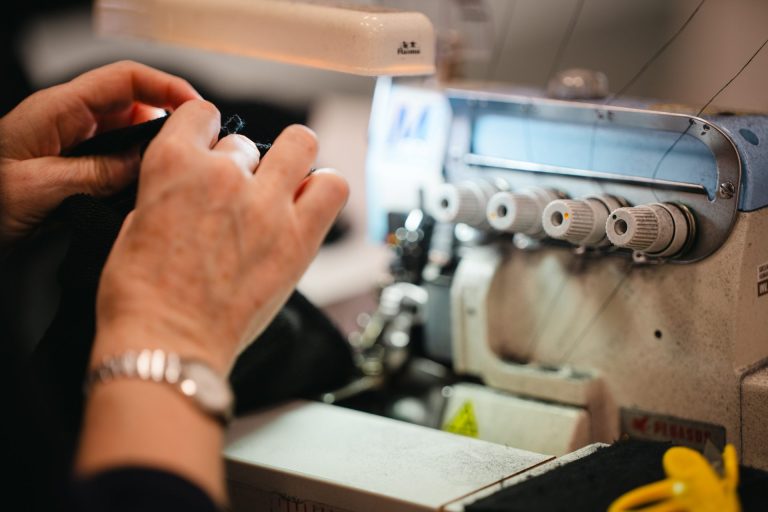
Every year, tens of millions of tons of textiles are produced worldwide. The textile industry, which has become highly dynamic in the 21st century, impacts the environment like never before. Textile production is among the major polluters responsible for an…