
Newsletter Subscribe
Enter your email address below and subscribe to our newsletter

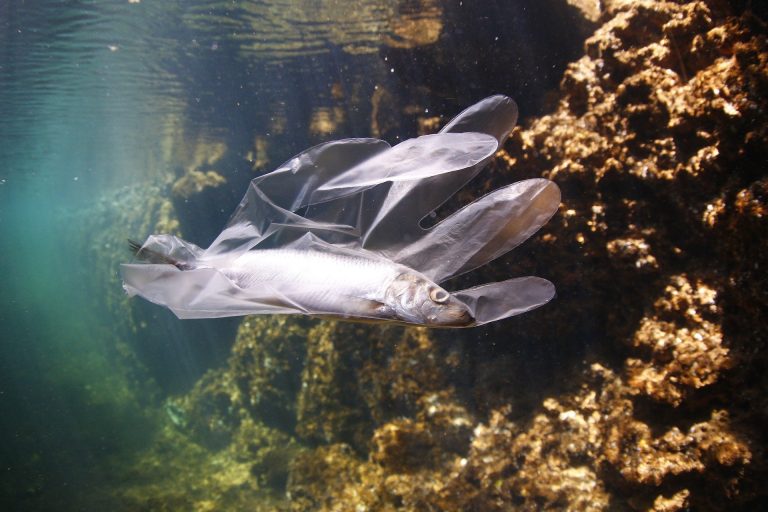
Last week, world leaders adopted a landmark declaration at the United Nations’ Ocean Conference in Lisbon to scale up science-based and innovative actions and address the ocean emergency of habitat loss, ocean acidification and ecosystem degradation. More than 150 countries…

A decarbonisation strategy can bring benefits to the Central America region at the same or lower energy system costs than the current planning strategy, according to a new report by the International Renewable Energy Agency (IRENA). The report finds the…

The EEA briefing ‘Textiles and the environment: The role of design in Europe’s circular economy’ provides updated estimates of textiles’ life-cycle impacts on the environment and climate. The briefing shows that, compared with other consumption categories, textiles caused in 2020…

In a world where climate change-induced environmental emergencies, such as floods, extreme temperatures and fires, are increasingly becoming the norm, the future can often look uncertain. This future is particularly uncertain for children, youth and future generations, who experts recognize…
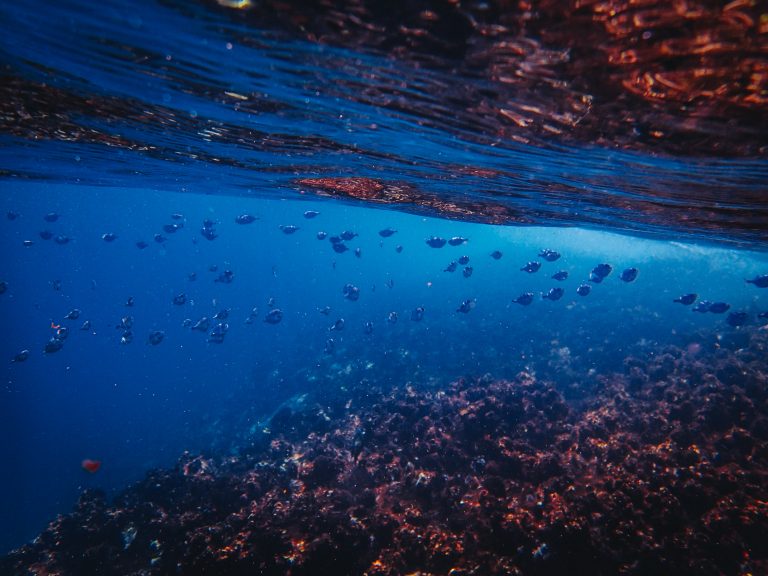
We live on a blue planet, with oceans and seas covering more than 70 percent of the Earth’s surface. Oceans feed us, regulate our climate, and generate most of the oxygen we breathe. But growing threats such as marine pollution,…
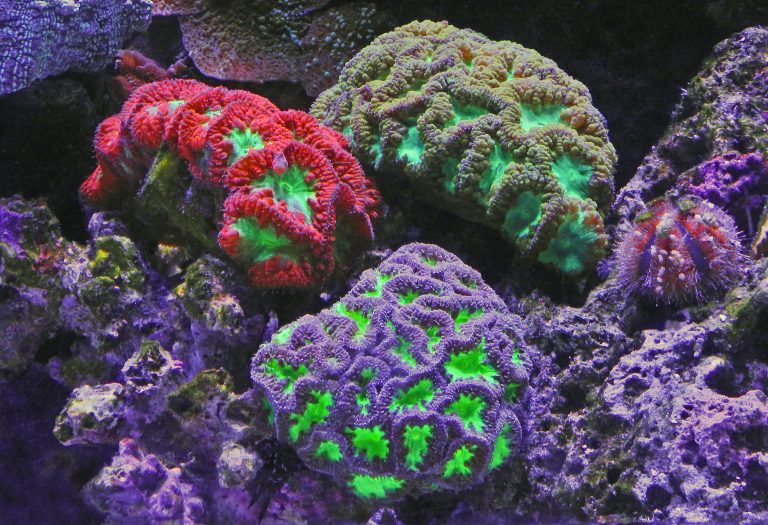
Beneath the ocean surface, an expansive network of dynamic skeletal-like invertebrates harbours at least 25 percent of all known marine species. Both hard and soft corals provide the basis for functioning coral reefs, which are some of the planet’s most…
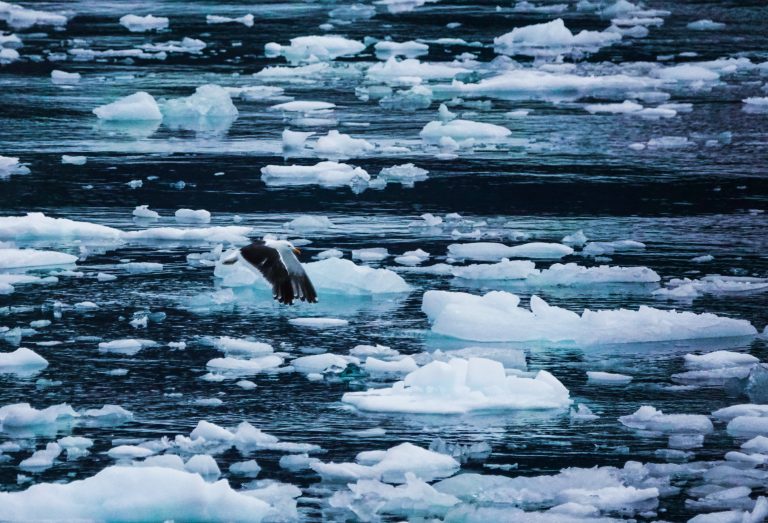
30 years ago, something remarkable happened. Governments around the world agreed to make the Antarctic off limits to oil drilling and mining. In the 1980s the debate of the fate of the Antarctic got intense, as interest in the continent’s…