
Newsletter Subscribe
Enter your email address below and subscribe to our newsletter


How often do we come across the topic of recycling daily? We read about it in the media, see symbols on packaging, and pass by recycling bins on the streets. For some of us, recycling might seem obviously important, while…

After a piece of plastic enters a water system, such as a sea, ocean, river, or lake, it undergoes degradation due to the influence of sunlight, wind, and water. A large piece breaks down into micro and eventually into nanoplastics.…

Plastic pollution leads to various problems, especially for marine animals, which get injured when they get stuck in or swallow a plastic object. There are also warnings that certain plastic products should not be used more than once because such…
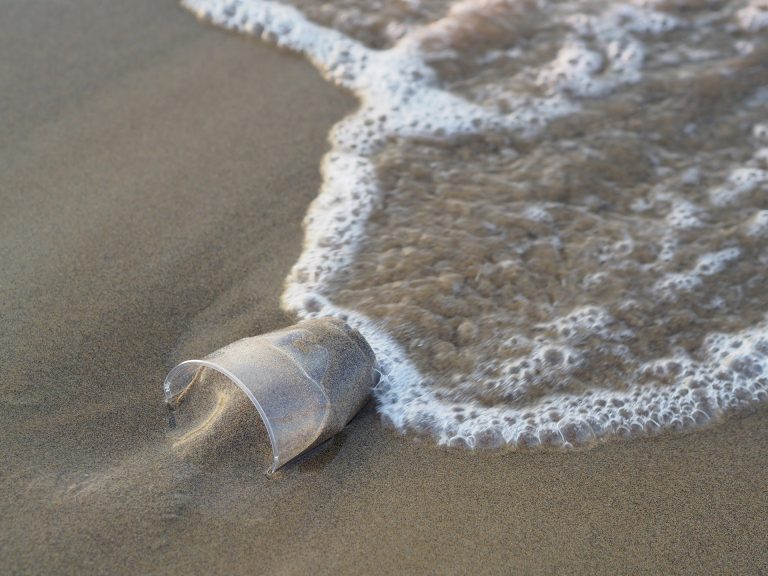
People are primarily concerned about the pollution of the sea by visible plastic floating on the surface of the water, but what should worry us, even more, is the sunken plastic waste that remains on the seabed forever. In collaboration…
The idea of bioplastics is not new – for some time, environmentally oriented scientists have been trying to develop a fully recyclable replacement for plastic as we know it today. Researchers from Hokkaido University in Japan significantly contributed to these…
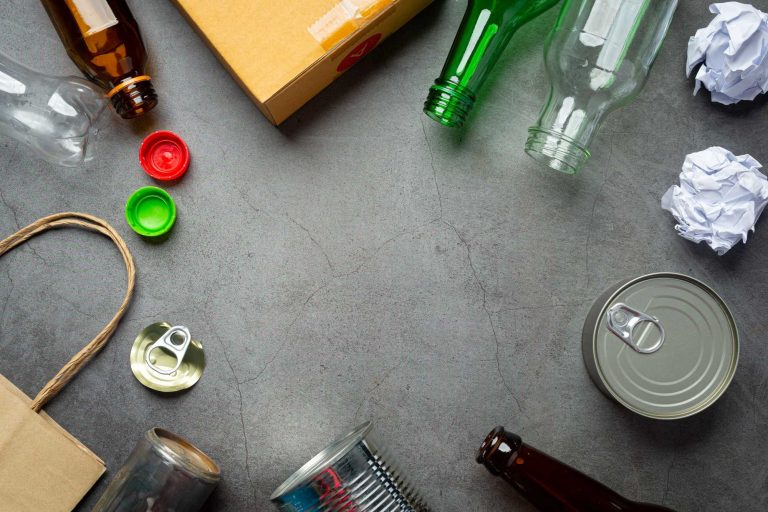
Humanity generates between 2.1 billion and 2.3 billion tonnes of municipal solid waste a year. When improperly managed, much of that refuse—from food and plastics to electronics and textiles — emits greenhouse gases or poisonous chemicals. This damages ecosystems, inflicts…
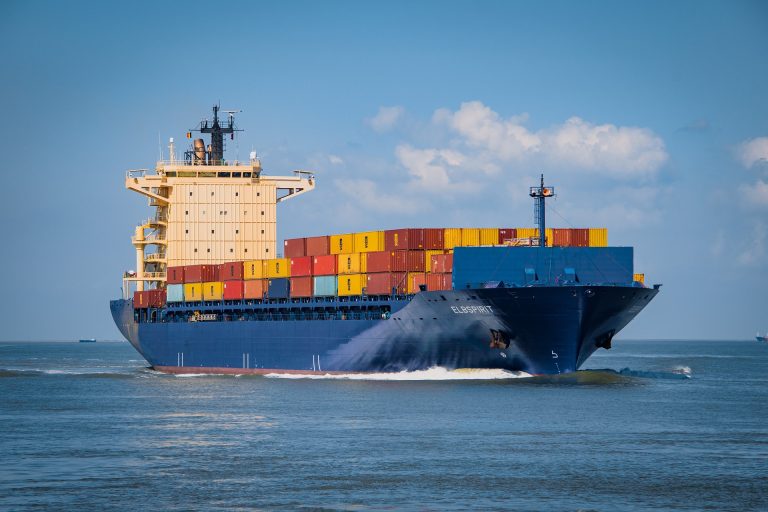
In the most recent Helsinki Commission (HELCOM) assessment (2011-2016), all the Baltic Sea basins failed to reach good environmental status as defined by the EU Maritime Strategy Framework Directive. HELCOM offers data on various heavy metals reaching the Baltic, from…