


Newsletter Subscribe
Enter your email address below and subscribe to our newsletter


The ongoing bushfires in Australia have focused media attention on wildfires more generally and their link to biodiversity and habitat loss, as well as global heating. We take a look at the some of the different types of wildfires, assess…

The United Nations General Assembly declared 2020 as the International Year of Plant Health (IYPH). The year is a once in a lifetime opportunity to raise global awareness on how protecting plant health can help end hunger, reduce poverty, protect…

Harmonization of environmental and climate change regulations is a long-term process. It is known that these regulations are continually changing and improving at EU level, as well as a lack of administrative capacity in this area. All this additionally complicates…

We asked two experts if the construction of small hydropower plants is a national interest, or a public interest is to stop the process of further construction of these power plants, and how to find the right balance between the…
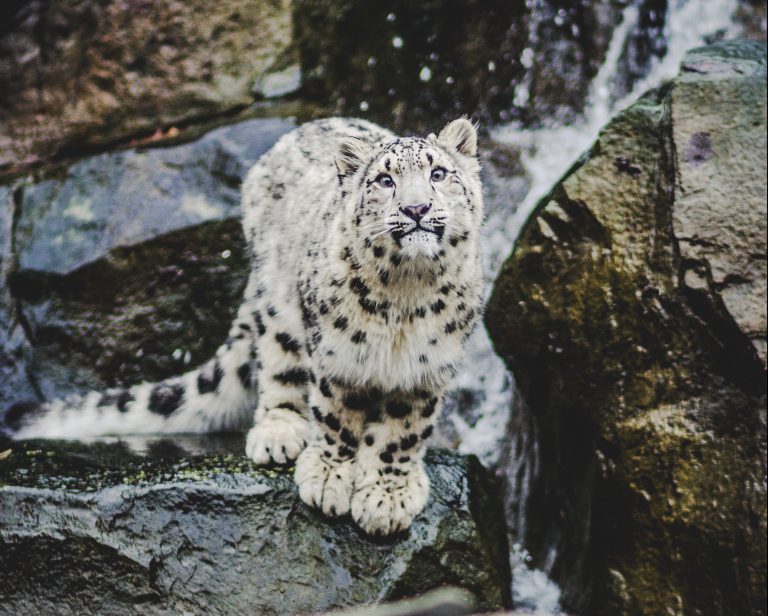
Aiming to highlight the need to conserve the world’s endangered wildlife, the UN Environment Programme (UNEP), adidas Runtastic further supported by Internet of Elephants and the Snow Leopard Trust launched a running challenge in the free adidas Running app that…
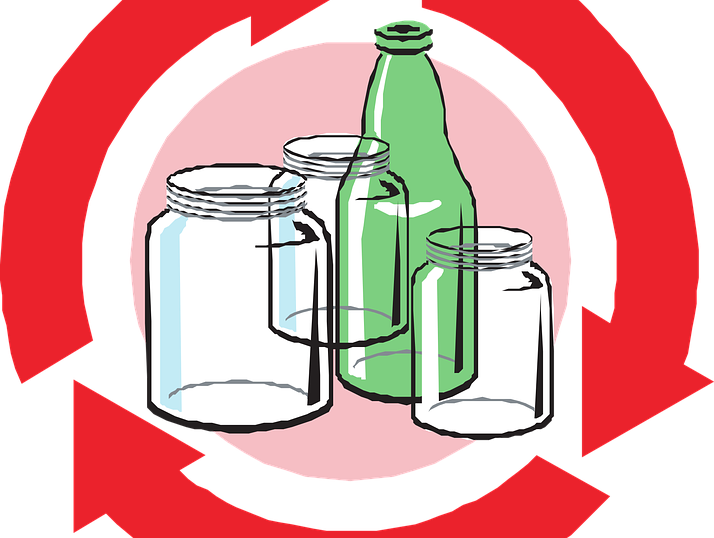
Circular material use can minimise waste and resource extraction, improve resource efficiency, reduce greenhouse gas emissions, and contribute to conserving biodiversity. However, according to a European Environment Agency (EEA) report, published today, circular economy initiatives in Europe are still at…
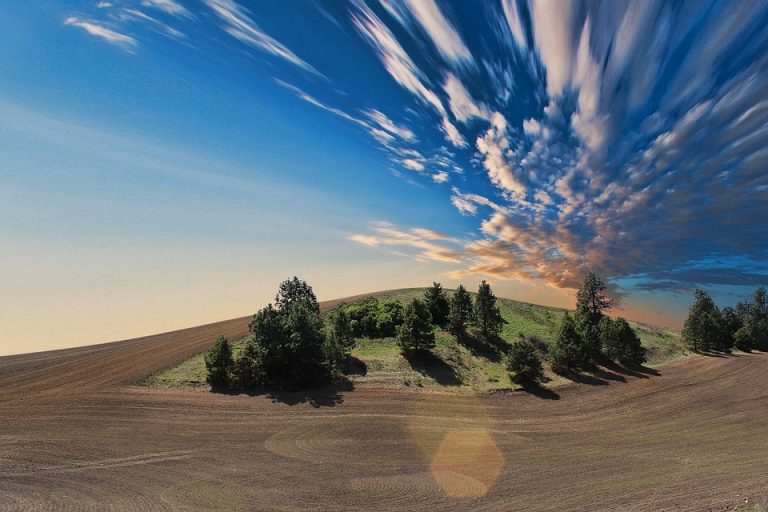
Land and soil underpin life on our planet. The way we currently use these vital and finite resources in Europe is not sustainable. Human activities — growing cities and infrastructure networks, intensive agriculture, pollutants and greenhouse gases released to the…