


Newsletter Subscribe
Enter your email address below and subscribe to our newsletter
Enter your email address below and subscribe to our newsletter

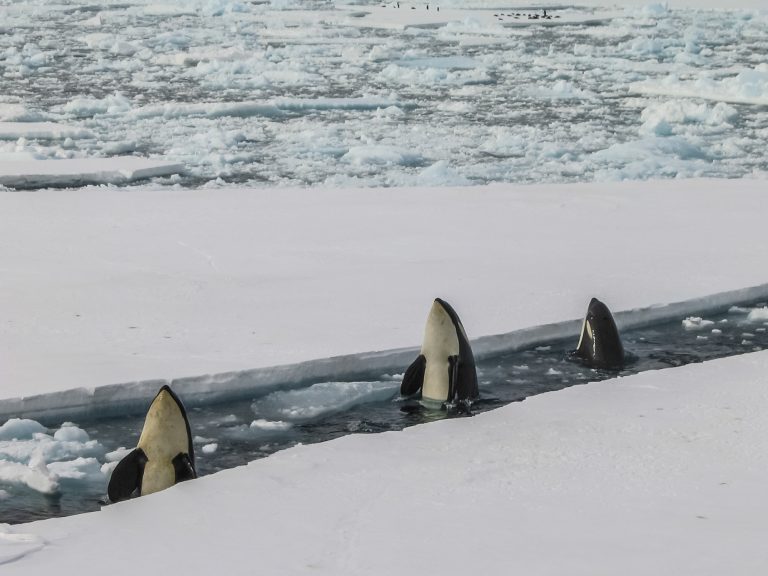
With only 74 remaining in the wild, time is running out to save southern resident killer whales, especially after two died this summer. This week, the Canadian government announced a slew of measures to save the critically endangered species. The…
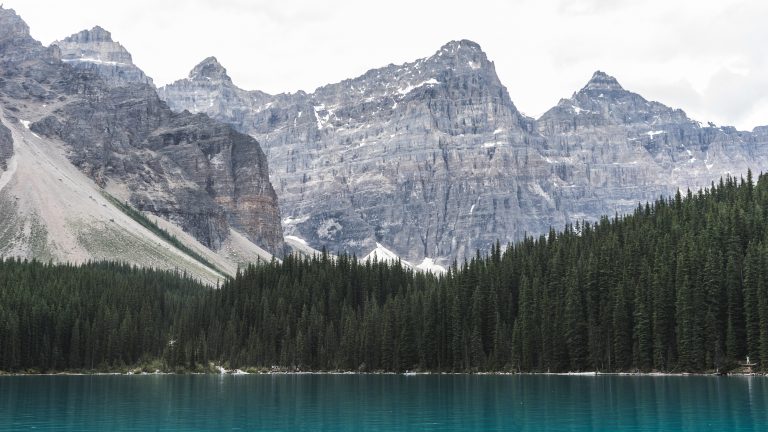
Just five countries hold 70% of the world’s remaining untouched wilderness areas and urgent international action is needed to protect them, according to new research. Researchers from the University of Queensland (UQ) and the Wildlife Conservation Society (WCS) have for…
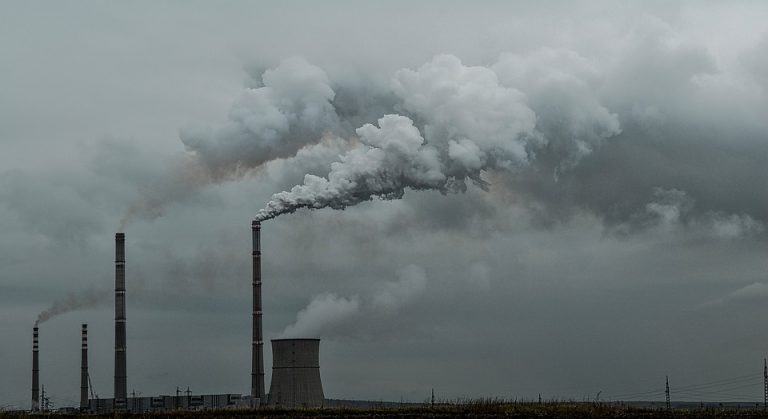
Exxon Mobil is backing a proposal to tax oil, gas and coal companies for the carbon they emit and redistribute the money raised that way to all Americans. It’s also giving a group urging Washington to enact a tax on…
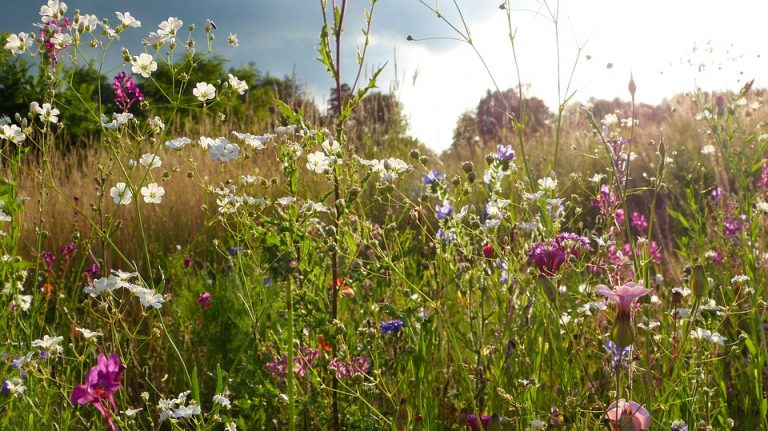
The low-lying shrubs, grasses and other plants growing in the Arctic are getting taller. The finding comes from scientists who have analysed three decades of measurements. This data, gathered across Alaska, Canada, Iceland, Scandinavia and Russia, indicates that a warming…

Clean cars, vans and taxis in the UK could be given green number plates under new government plans to promote awareness of ultra-low emission vehicles. It is seeking views on providing the “badge of honour”, which are already used in…
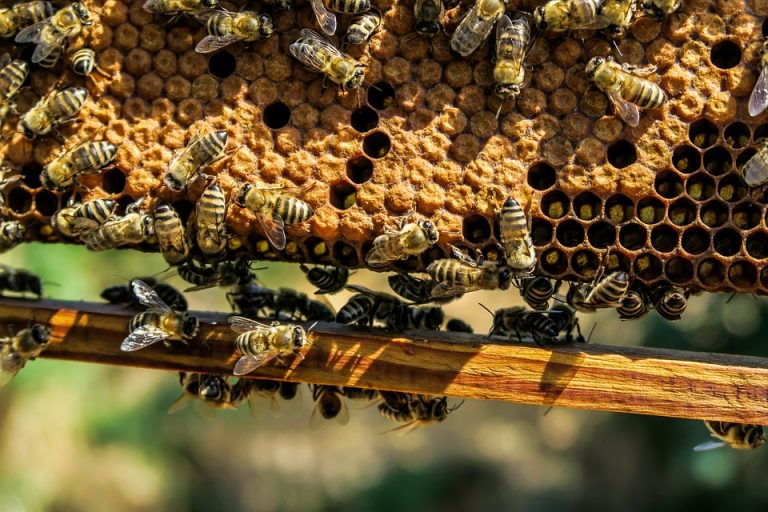
Bees have developed a likening to pesticide-containing plants, according to a recent study. The affinity exhibited by the bees is similar to an addiction to nicotine from cigarettes. Apparently, the more pesticide-laced pollen that the bees ingest, the more they…
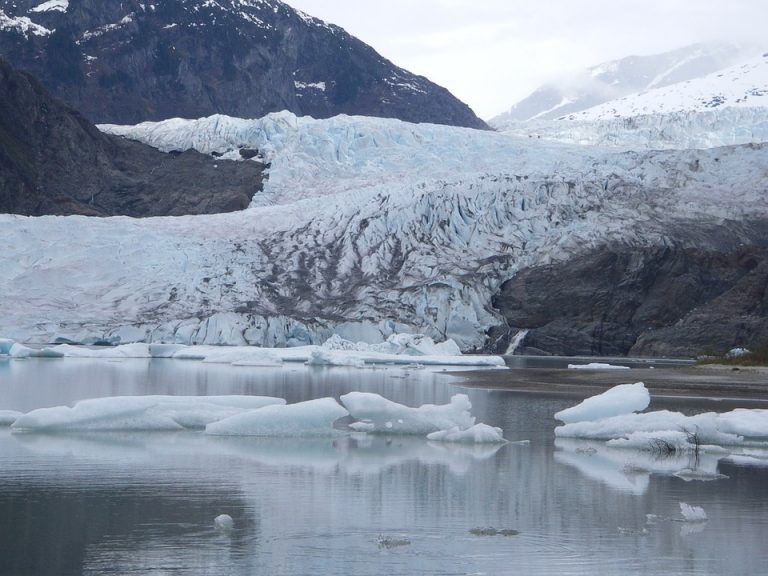
Summer weather patterns are increasingly likely to stall in Europe, North America and parts of Asia, according to a new climate study that explains why Arctic warming is making heatwaves elsewhere more persistent and dangerous. Rising temperatures in the Arctic…