


Newsletter Subscribe
Enter your email address below and subscribe to our newsletter

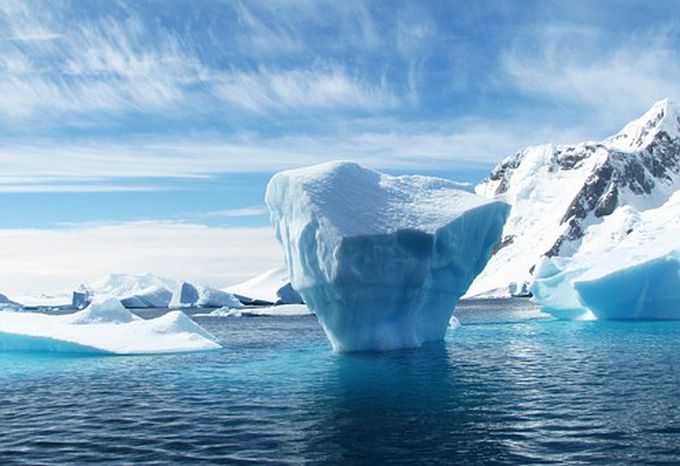
Ever since the ancient Greeks speculated a continent must exist in the south polar regions to balance those in the north, Antarctica has been popularly described as remote and extreme. Over the past two centuries, these factors have combined to…
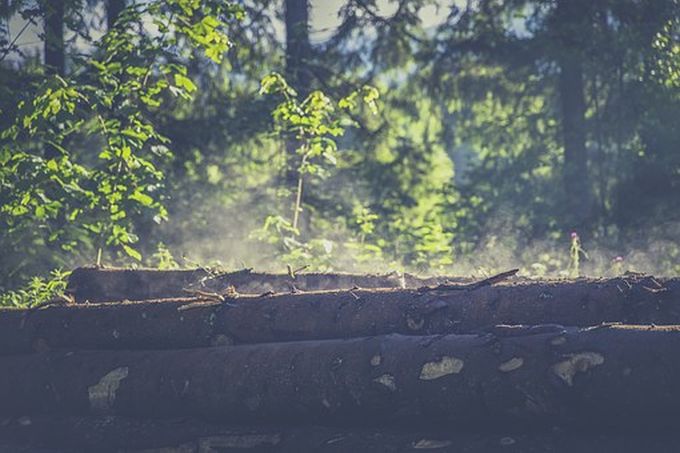
German researchers have confirmed once again that a good forest is a mixed forest, a natural one, with a diversity of species. The more diverse the forest, the better it becomes at doing what forests do. Forests with a greater…
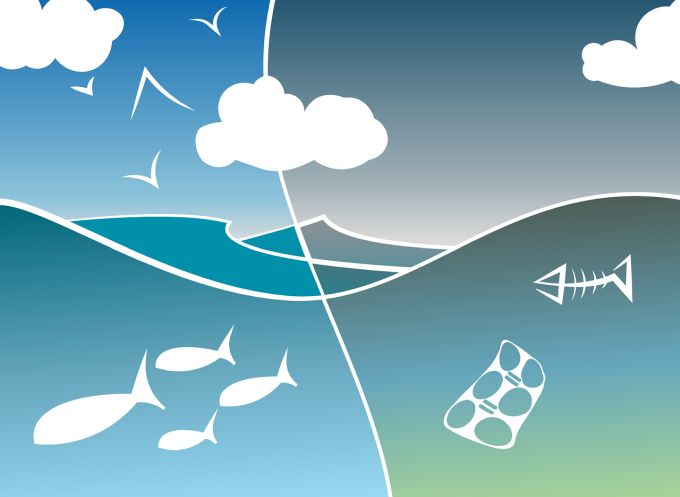
Nations from around the world have agreed a new UN resolution to halt the tide of ocean plastic that scientists warn is poisoning global waters. The agreement acknowledges the urgent need to curb the flow of ocean plastic pollution and…
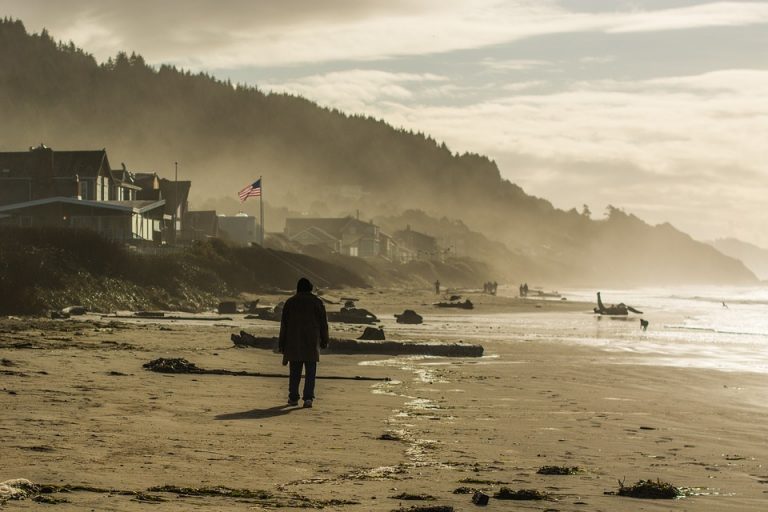
New research shows by the end of the century an increase in sea level will threaten the White House, early colonial settlements and other historic places. Large tracts of America’s east coast heritage are at risk from being wiped out…
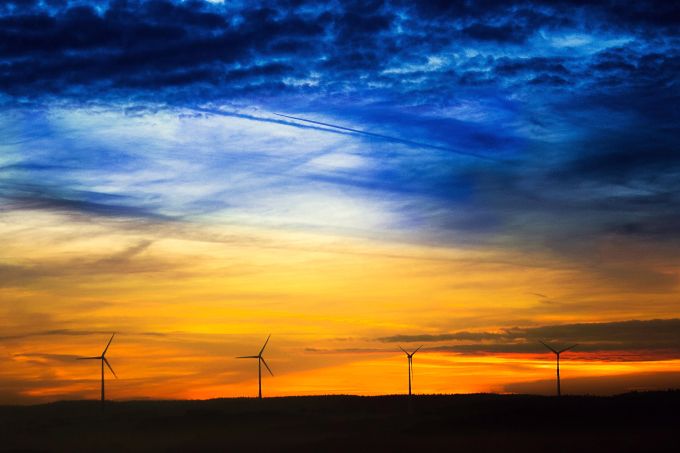
The Australian National University has published a new study which shows that Australia can meet its 2030 carbon emissions target of reducing emissions by 26-28% by 2030 by replacing all coal-fired power stations with renewables at zero net cost. The…
Two of Antarctica’s glaciers are holding our civilization hostage, meteorologist Eric Holthaus wrote in a piece for Grist. Pine Island and Thwaites are among the continent’s biggest and fastest-melting glaciers – and they could unleash 11 feet of sea level…
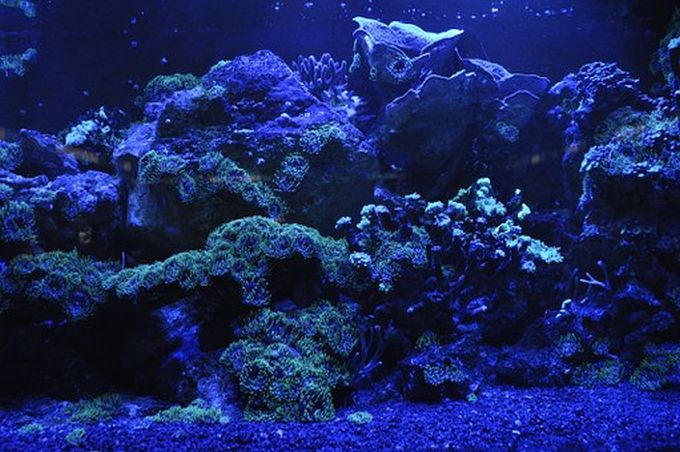
Lying at the northern tip of the Red Sea, the Gulf of Aqaba might be able sustain its coral population for another 100 to 150 years, despite global warming, new research predicts. Scientists from the King Abdullah University of Science…