




Newsletter Subscribe
Enter your email address below and subscribe to our newsletter
Enter your email address below and subscribe to our newsletter

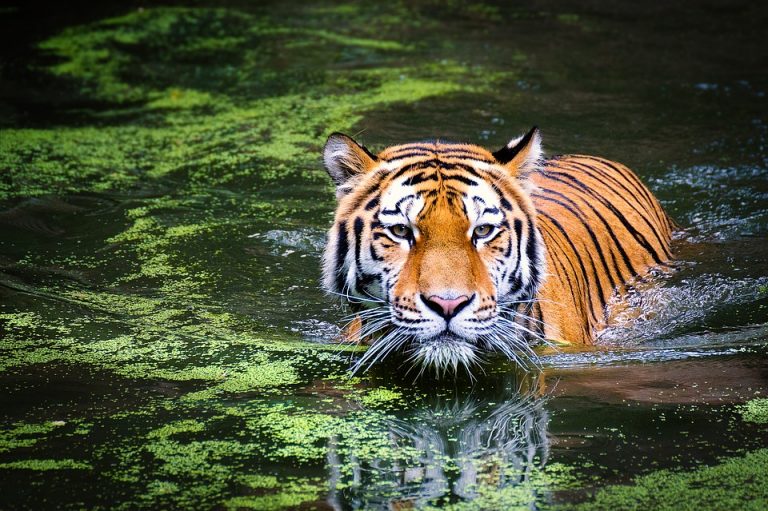
WWF is delighted to congratulate Nepal for successfully doubling its tiger population to an estimate of 355 individuals – an increase of more than 190 per cent since 2009. Those are the results published in Nepal’s National Tiger and Prey…
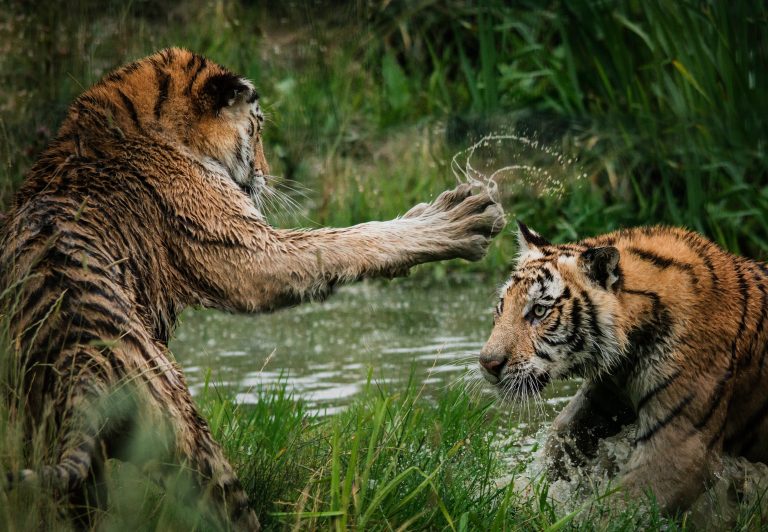
Two illegally smuggled tigers per week are being seized by officials, according to a report, but this represents only a tiny fraction of those being killed. The report, by the wildlife trade experts Traffic, was released at a summit of…
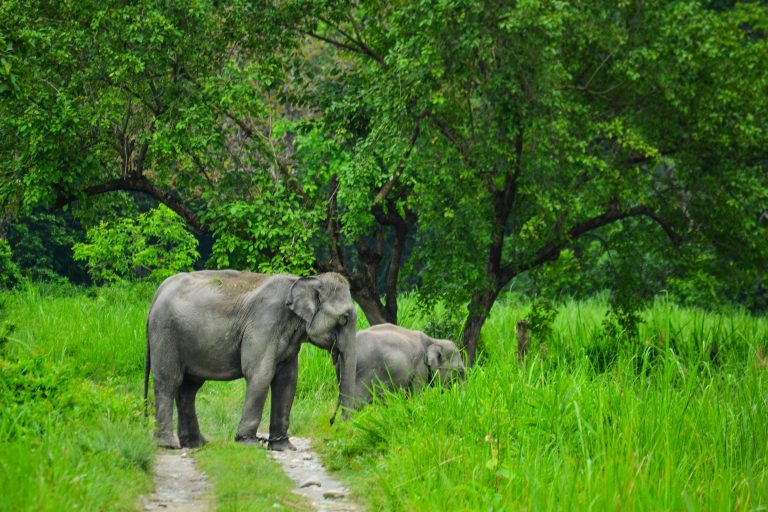
Forest elephant extinction would exacerbate climate change. That’s according to a new study in Nature Geoscience which links feeding by elephants with an increase in the amount of carbon that forests are able to store. The bad news is that…

Much of the planet’s megafauna is being driven extinct because of the usual causes: habitat loss and rampant poaching for body parts like horns, bones and tusks. But there is another reason large vertebrates are going extinct: people keep on…
As 2018 ended, it brought to light the reality that some animals — after existing on Earth for millions of years — are gone for good. At the end of last year, scientists announced that three bird species went extinct,…
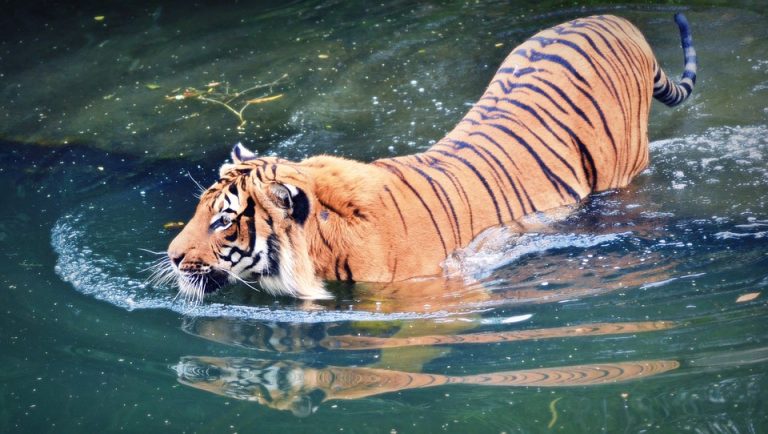
Time is running out for Malayan tigers in the wild. Unless conservation efforts are stepped up these critically endangered striped predators might well go extinct in their habitats in Malaysia. This stark assessment comes from tiger biologist Kae Kawanishi, a member…

Thanks to human activity, some daytime animals are switching over to the night shift. Justin Brashares noticed it first in 2013, when he was studying olive baboons in Ghana: during times that humans were around, the primates stayed up long…