




Newsletter Subscribe
Enter your email address below and subscribe to our newsletter
Enter your email address below and subscribe to our newsletter

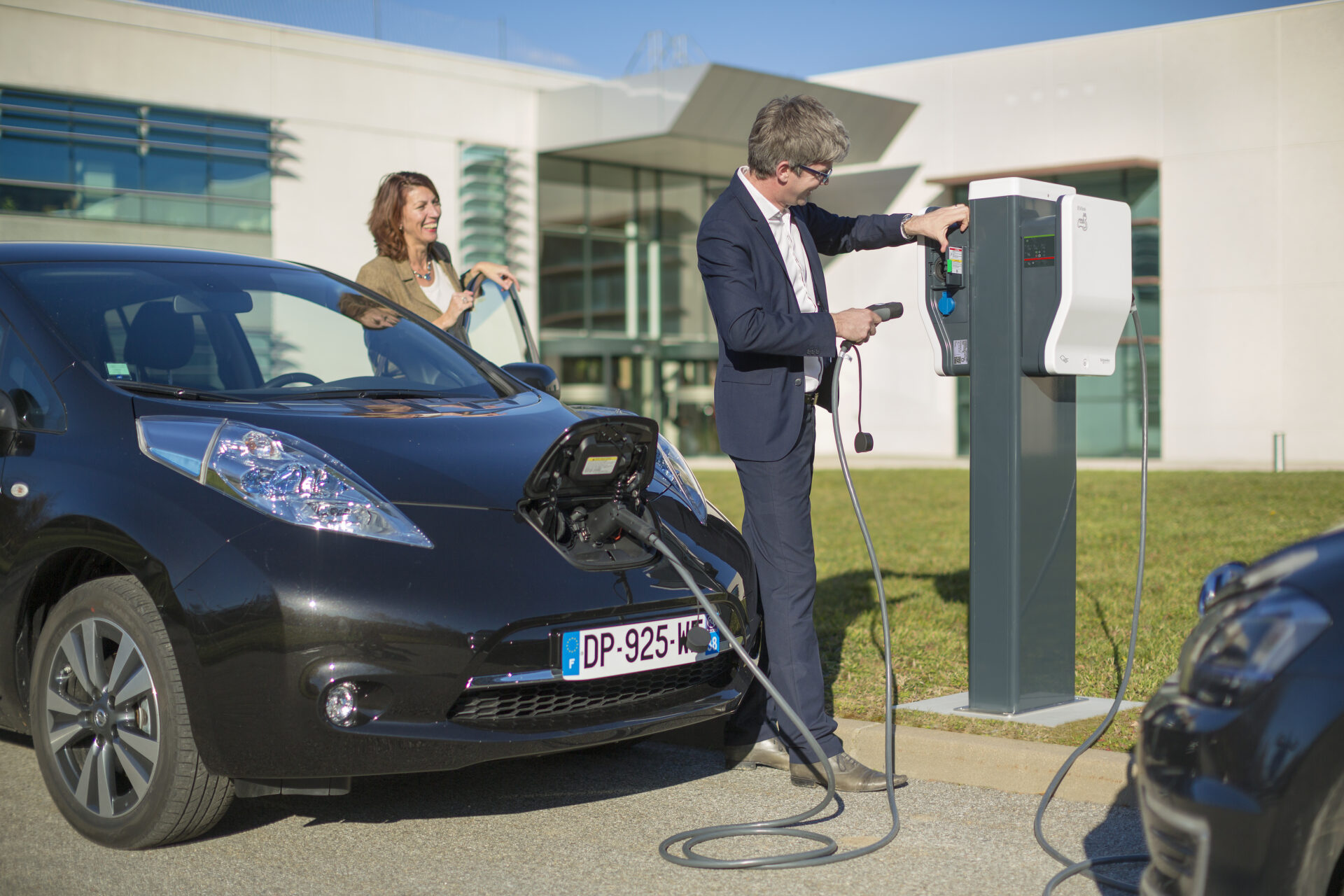
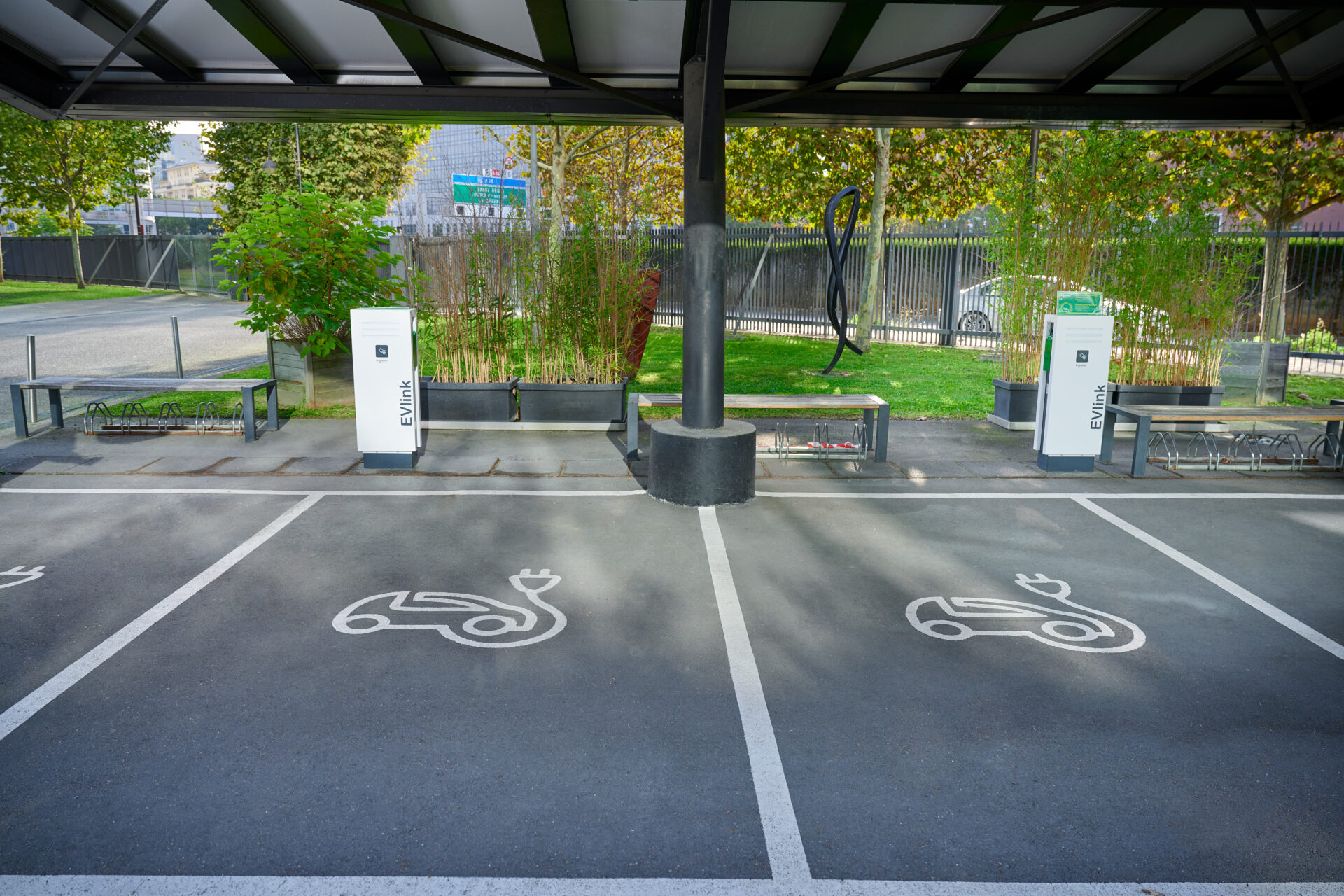
The introduction of smart EV charging infrastructure is becoming a global goal of essential importance for the whole world, thus accelerating this trend, and using its benefits for both consumers and the environment.
Building the smart and decentralized energy system implies the introduction of a reliable EV charging infrastructure, bearing in mind that it is planned to install 300 to 500 million EV connectors by 2040. To achieve this goal, most global policies focus on the deployment of public charging infrastructure. It is essential to assess the potential added value of applying smart EV charging technology in private buildings for EV drivers, system operators, and other stakeholders are given that around 90 per cent of EV chargers installed by 2040 will be in private environments.
The multiple benefits of smart EV charging in buildings
To assess the benefits of smart chargers, the Schneider Electric TM Sustainability Research Institute has conducted a cost-benefit analysis of installing local smart EV charging technology in households, multifamily, and commercial buildings. Our research finds that, for consumers and system operators, the benefits of such an approach are striking. The results highlight that:
A thoughtful policy approach is required
Significant benefits are immeasurable, however, well-designed strategies are needed to achieve them:
1. The promotion of EV charging at buildings removing all existing barriers.
2. Reducing the cost of smart EV charging for consumers by introducing two-tariff calculation of the time of use of electricity and increasing the self-consumption of electricity produced via distributed generation.

3. Better access to grid and system services for EVs to support the transformation of energy systems.
Decarbonisation of transport, buildings and global energy systems are the fields most associated with the implementation of smart EV charging. When coupled with flexible sources and loads within buildings, it also has the potential to provide important additional benefits for consumers and system operators.
This combination provides a more efficient and economically attractive proposition than centralized paradigms – and is an important first step towards the convergence of Mobility, Energy and the Urban transformation. To answer the needs of smart EV charging Schneider Electric has developed EcoStruxure ™ EV Charging Expert as EV charging infrastructure load management system, access management and supervision solution.
Read the story in the new issue of the Energy portal Magazine ELECTROMOBILITY.