
Newsletter Subscribe
Enter your email address below and subscribe to our newsletter
Enter your email address below and subscribe to our newsletter

Serbia’s energy sector is facing major changes and, according to Minister of Mining and Energy Dubravka Đedović Handanović, the country could add around 1,500 MW of new state-owned electricity generation capacity by 2030, equivalent to about 20 percent of its current capacity.
Speaking to RTS, the minister said that significant investments in electricity generation, gas and oil infrastructure, as well as the start of nuclear program development, are expected by 2035. The plan includes the construction of new gas-fired power plants and a stronger expansion of renewable energy sources, while a dedicated project is the gas-fired power plant in Niš, which is expected to be implemented in cooperation with an Azerbaijani company.
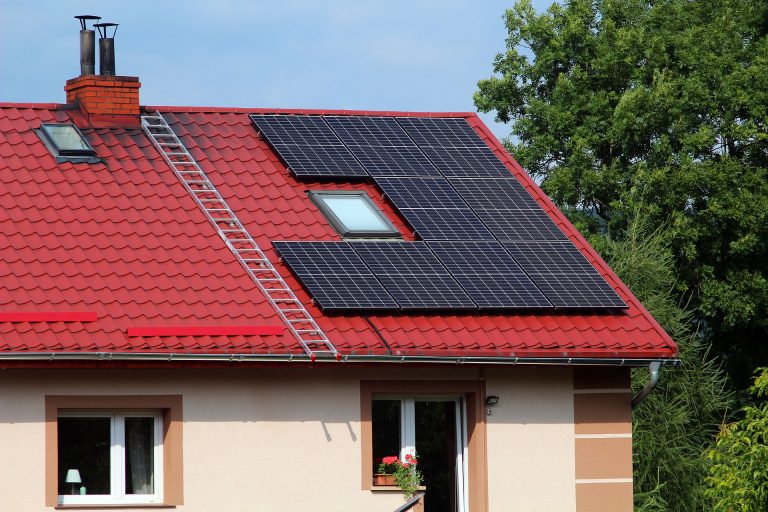
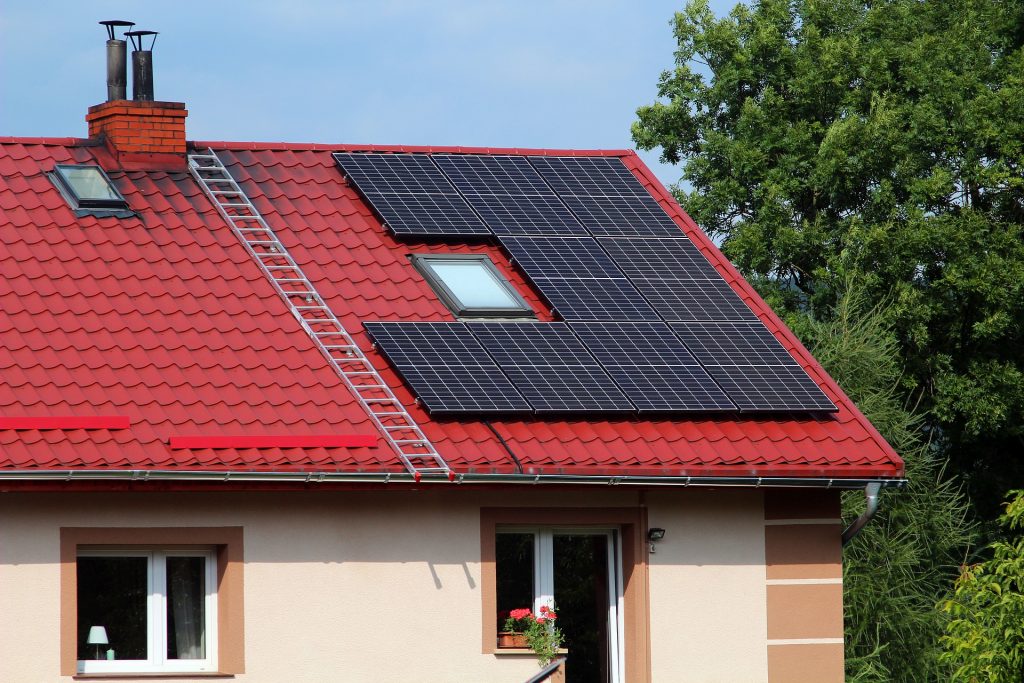
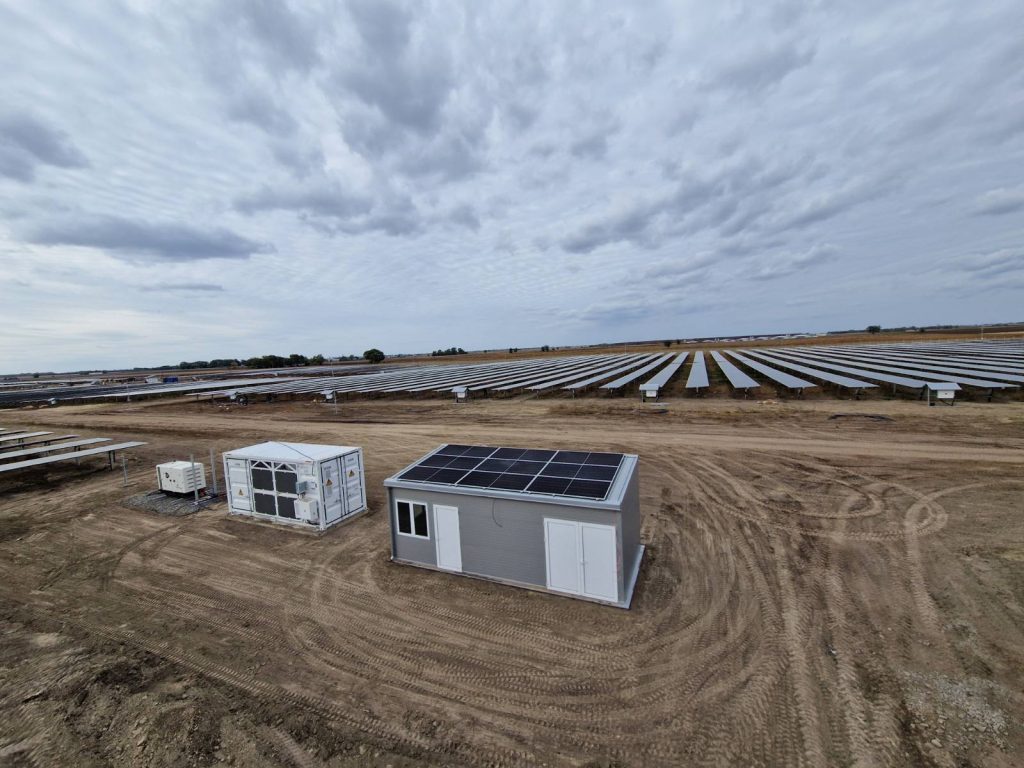
As stated on the Ministry’s website, additional investments in solar power plants and wind farms are also planned, with Elektroprivreda Srbije (EPS) set to play an important role. She recalled that most of the solar and wind projects awarded support through auctions have signed long-term power purchase agreements with EPS.
“More than 90 percent of those power plants have contracts with EPS at prices below market levels,” the minister said.
She highlighted the Bistrica pumped-storage hydropower plant as one of the most important projects in the coming period, noting that it should enable a higher share of renewable energy in the power system.
According to the minister, Bistrica is the most complex project currently under development and requires a large number of procedures and permits.
The construction permit for the main facility is expected by the end of the year, she said, adding that the Japan International Cooperation Agency (JICA) has also played a significant role in the project and has been assessing it for some time. Construction could begin as early as 2027, provided financing is approved.
The minister also addressed criticism of EPS’s operations, stressing that it is necessary to increase electricity generation in state-owned facilities because domestic generation is the most cost-effective option. She noted that EPS has increased its capacity by 426 MW over the past year and a half.
She added that last year was made even more difficult by extremely poor hydrology — the driest year in the past 31 years — which caused hydropower plants to generate significantly less electricity, nearly 30 percent less than in 2023.
Serbia, however, is also facing obligations toward the European Union regarding carbon dioxide emissions reductions, the minister said, explaining that there is an issue of so-called carbon tax — a tax on CO2 emissions. EPS is the largest emitter due to its reliance on coal-fired thermal power plants, while baseload power could be replaced through gas-fired or nuclear power plants.
Referring to these challenges, the minister said that Serbia is also considering the development of a nuclear program, with expectations that construction of the country’s first nuclear power plant could begin by 2035. In preparing the project, the state is cooperating with France’s EDF, one of Europe’s largest power companies, which can provide expert support and experience.
The minister added that major investments in gas infrastructure are also planned, including the construction of around 1,000 kilometers of new gas pipelines and the expansion of gasification in parts of eastern and western Serbia, including Paraćin, Negotin and Zlatibor.
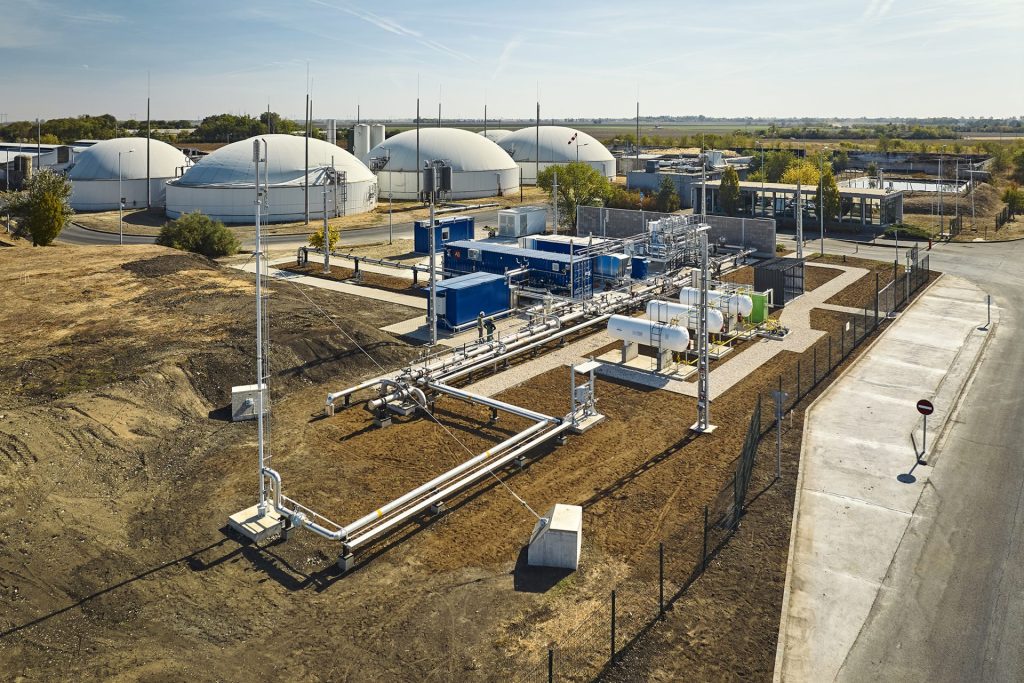
As she recalled, work is also under way on the expansion of the Banatski Dvor gas storage facility, with most of the works expected to be completed within the next year. The storage capacity should be increased to around 750 million cubic meters of gas, while the construction of a new gas storage facility, Tilva, is also planned.
In addition to gas, another important project is the new oil pipeline between Serbia and Hungary. The project is expected to reduce dependence on a single oil supply route. Works could begin as early as late summer or early autumn this year.
At the end of the interview, the minister also spoke about challenges related to Naftna Industrija Srbije (NIS). According to her, the negotiations involve several international actors, including companies such as MOL Group and ADNOC.