
Newsletter Subscribe
Enter your email address below and subscribe to our newsletter

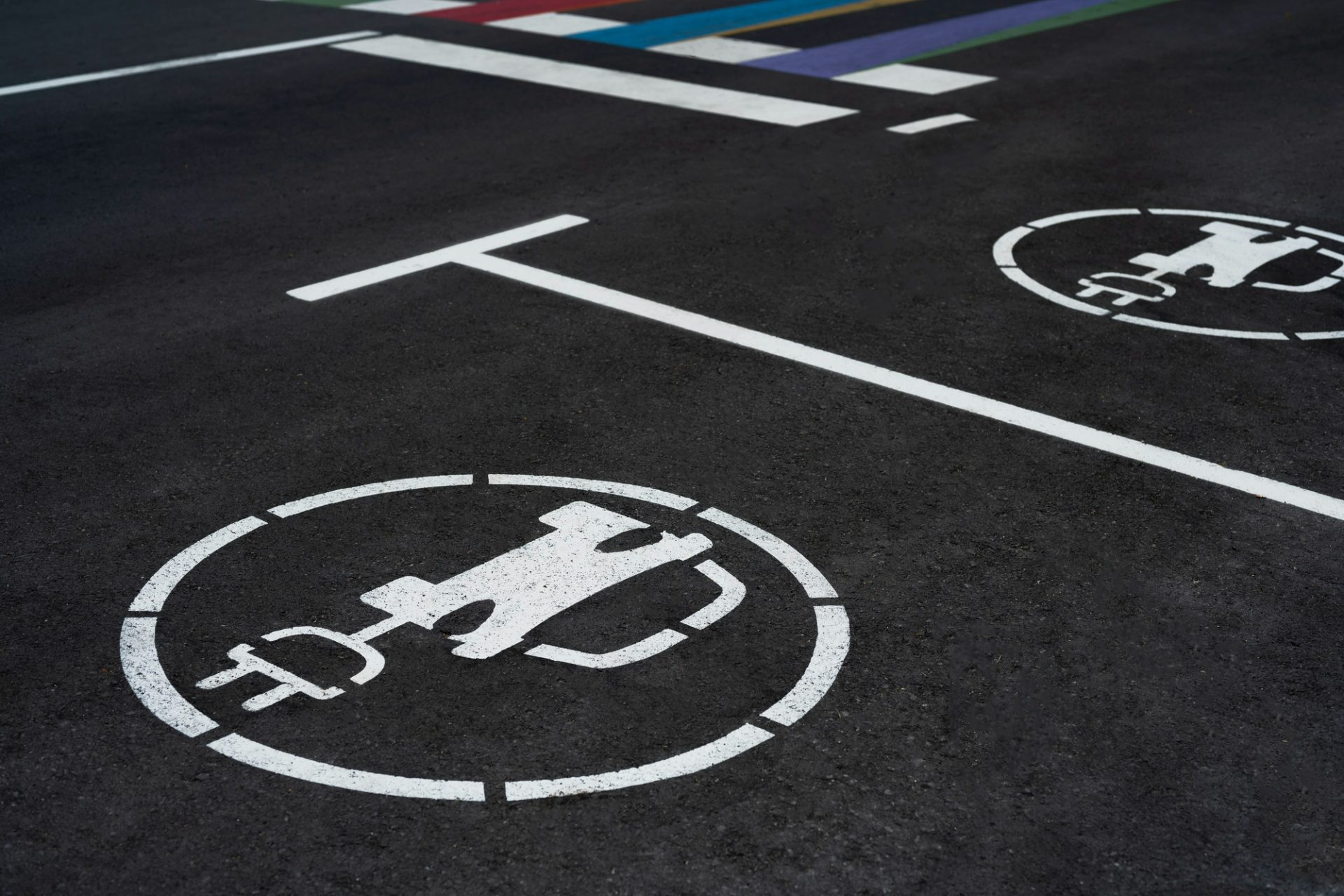
The Government of Slovenia announced the launch of two public calls for the development of a new generation of publicly accessible electric vehicle charging parks, marking an important phase in the country’s electromobility development in 2026. Through these two programs, a total of 25 million euros in non-refundable funding will be provided.
As highlighted, the planned investments cover key transport corridors of the Trans-European Transport Network (TEN-T), as well as areas across various statistical regions where adequate charging infrastructure for electric vehicles is currently lacking.
One of the programs is aimed at developing high-power charging infrastructure along major transport routes. Projects applying for funding must include at least five charging points, with at least one designated for heavy-duty vehicles. The charging capacity must be at least 150 kW for light vehicles and 350 kW for heavy-duty vehicles.
The second program focuses on the development of charging infrastructure outside the road TEN-T network, with the aim of improving accessibility in smaller towns and regions with lower population density, as well as in areas that are not directly connected to major transport routes.
This program supports investments in AC chargers with a capacity of 11 to 22 kW and DC chargers ranging from 50 to 350 kW. Each project must include at least 10 charging points, with DC chargers accounting for no more than 30 percent of the total. Charging points must be publicly accessible for at least 16 hours per day and comply with the technical requirements of the European AFIR regulation as well as national legislation.
Both programs introduce advanced requirements in line with European legislation. Charging points must be digitally connected, interoperable, and capable of two-way communication with the power grid, including data exchange with the NAP portal and reliable user identification.
Special attention is given to the user experience – operators will be required to provide simple and transparent payment options, ad hoc charging without contracts, and regular maintenance of the infrastructure for at least five years after project completion.
Energy Portal