




River Thames – From Biologically Dead to a Symbol of Nature’s Recovery
Share
Rivers extend far beyond the confines of a geographical concept, as natural waterways that flow from their sources to the sea. Their beds are the cradles of civilizations. Symbolically, rivers are often associated with purity, forgiveness of the past, and the release of negative emotions. In a broader sense, they are the foundation of life – without them, the world as we know it would not exist. Yet, despite all they give us, it seems we rarely return the favor. Today, rivers are under serious threat – they are being depleted, polluted, and dried up.
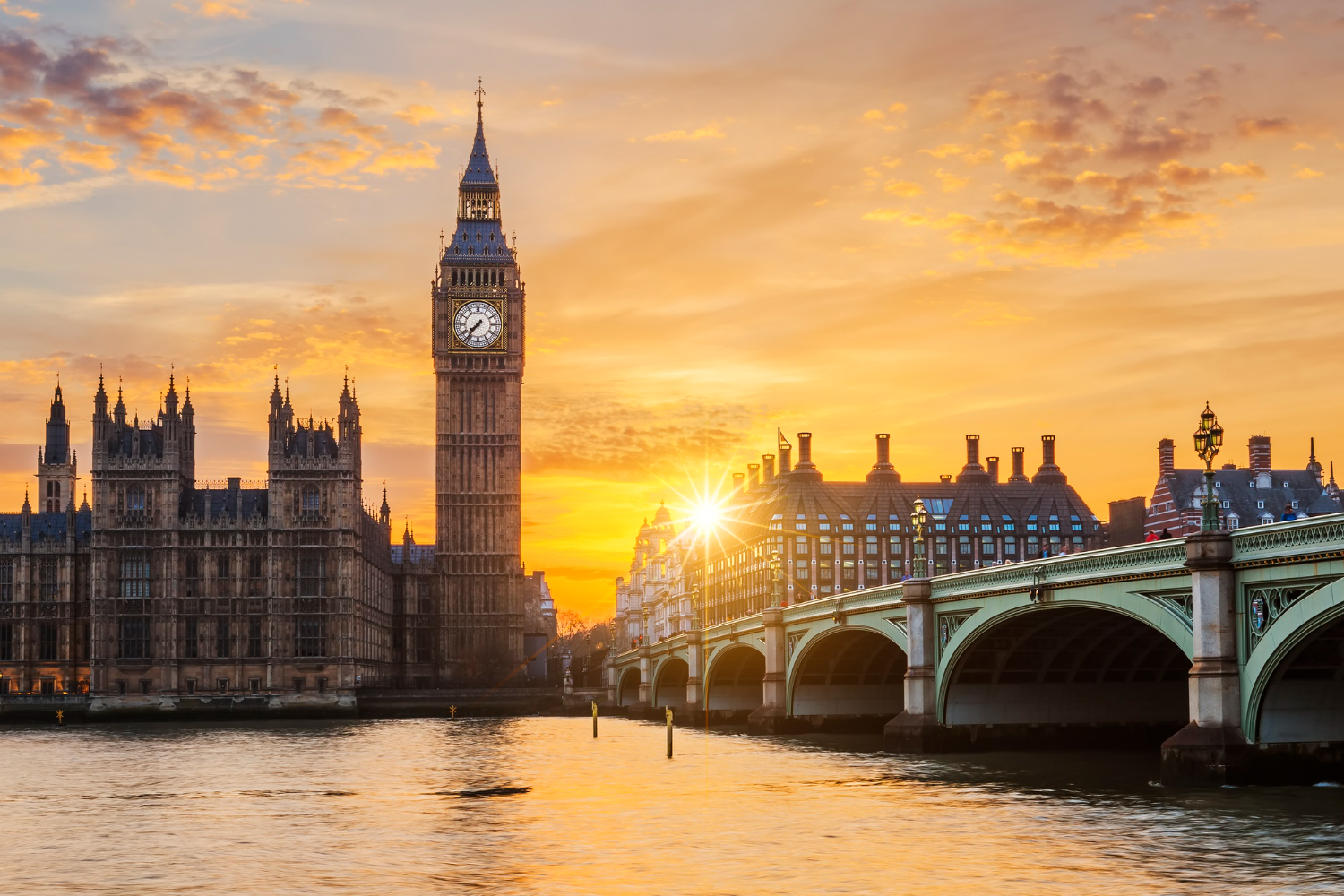
The River Thames, which flows through southern England, passes through London, and empties into the North Sea, is not just one of the country’s most important waterways. It is also an example of how sustained and coordinated effort can bring life back to what was declared biologically dead in the 1950s.
The Zoological Society of London (ZSL) has played a significant role in the conservation and restoration of the Thames. This international organization, together with partners and government bodies, runs projects monitoring and rehabilitating the river’s ecosystem. Recently, the Second Comprehensive State of the Thames Report was published, following up on the first report from 2021. Experts from 21 organizations tracked 21 indicators of the river’s natural environment – and the results are encouraging. Species now returning to the Thames include seahorses, eels, seals, and even sharks.

Water quality has improved significantly: concentrations of heavy metals have dramatically decreased since 1990 – zinc has dropped by 50 percent, and copper to just 25 percent of previous levels. Dissolved oxygen levels have also increased, which is crucial for the wildlife living in the river.
One of the key projects contributing to these results is the Lee Tunnel. This stormwater and sewage tunnel, nearly seven kilometers long and over seven meters in diameter, lies 80 meters beneath London and is one of the deepest tunnels of its kind in the UK. Its aim is to halve the 32 million cubic meters of untreated wastewater that would otherwise enter the Thames every year. The Lee Tunnel has five large vertical shafts, each up to 85 meters deep, and functions as a reservoir that collects and redirects polluted water to treatment plants.
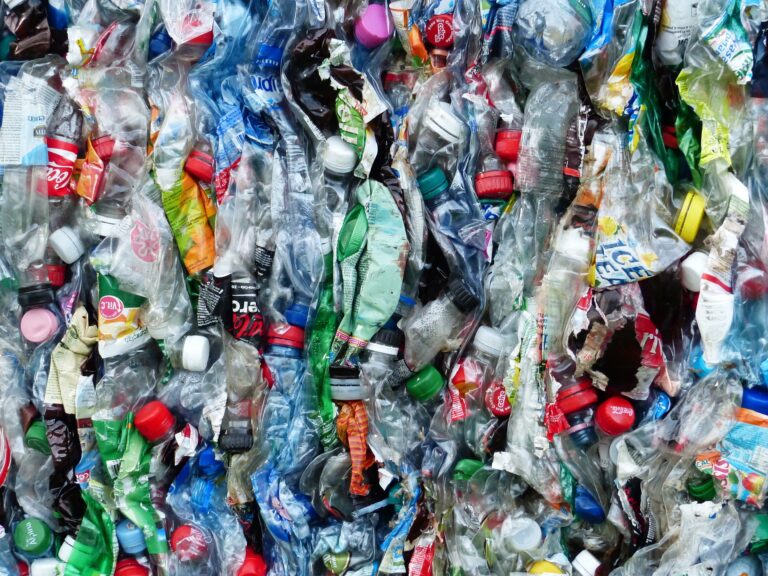
In addition to technical solutions, regulations have played a major role. For example, the 2022 ban on the sale of plastic cotton buds has led to their almost complete disappearance from the Thames’ banks, where they were once a common form of litter.
Nature-based solutions are also crucial. Habitat restoration – including tidal zones, wetlands, and salt marshes – not only protects plants and animals but also stores “blue carbon,” helping to mitigate the impacts of climate change.
Climate change, which has increased summer water temperatures in the Thames by 0.13 °C per year since 2007, shows that challenges remain and that the momentum gained in protecting the river must not slow. Warmer water holds less oxygen and disrupts the balance of the ecosystem. At the same time, sea levels in central London are rising at an average of five millimeters per year, increasing salinity and threatening freshwater habitats. Additional challenges come from road runoff and agricultural waste, which introduce chemicals, including pharmaceutical compounds and so-called “forever chemicals” that persist in the environment for decades.
The new report’s results demonstrate what can be achieved through coordinated action across science, technology, legislation, and community engagement. Still, for the Thames to truly become a lasting symbol of success, continuous investment in its protection and ecosystem preservation is essential.
Katarina Vuinac