
How Some Islands Have Completely Switched to Renewable Energy Sources
Share
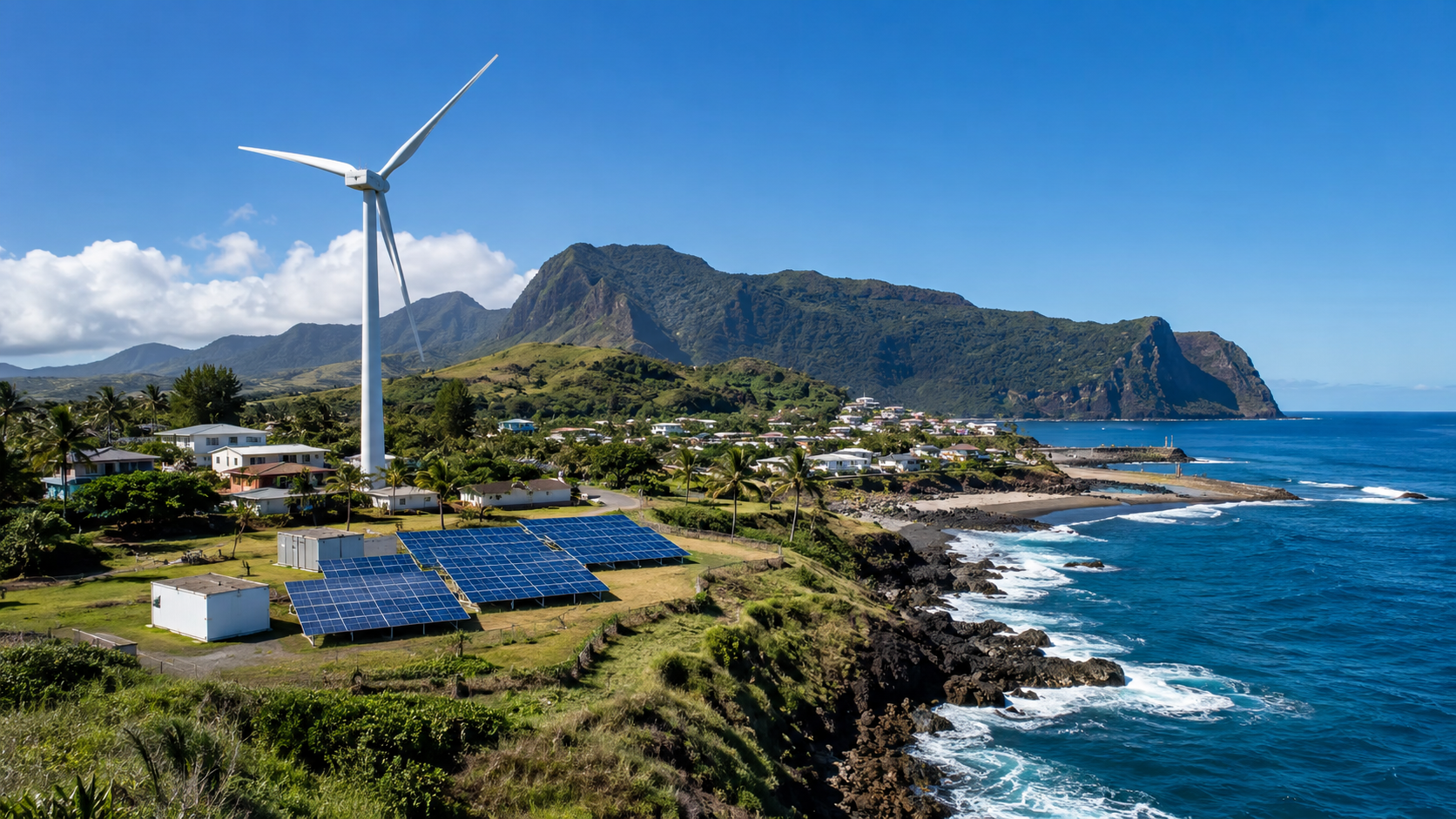
While large countries are still grappling with how to reduce their dependence on fossil fuels, some small islands are already showing what the energy future could look like. From wind turbines and solar farms to battery storage and green hydrogen, certain islands around the world have managed to almost completely switch to renewable energy sources — setting an example for the rest of the planet.
For many island communities, the energy transition was not just an environmental issue, but a matter of survival. Remoteness from the mainland, high fuel transport costs, and vulnerability to climate change forced them to start thinking about energy independence much earlier.
The Danish island that became a symbol of the green transition
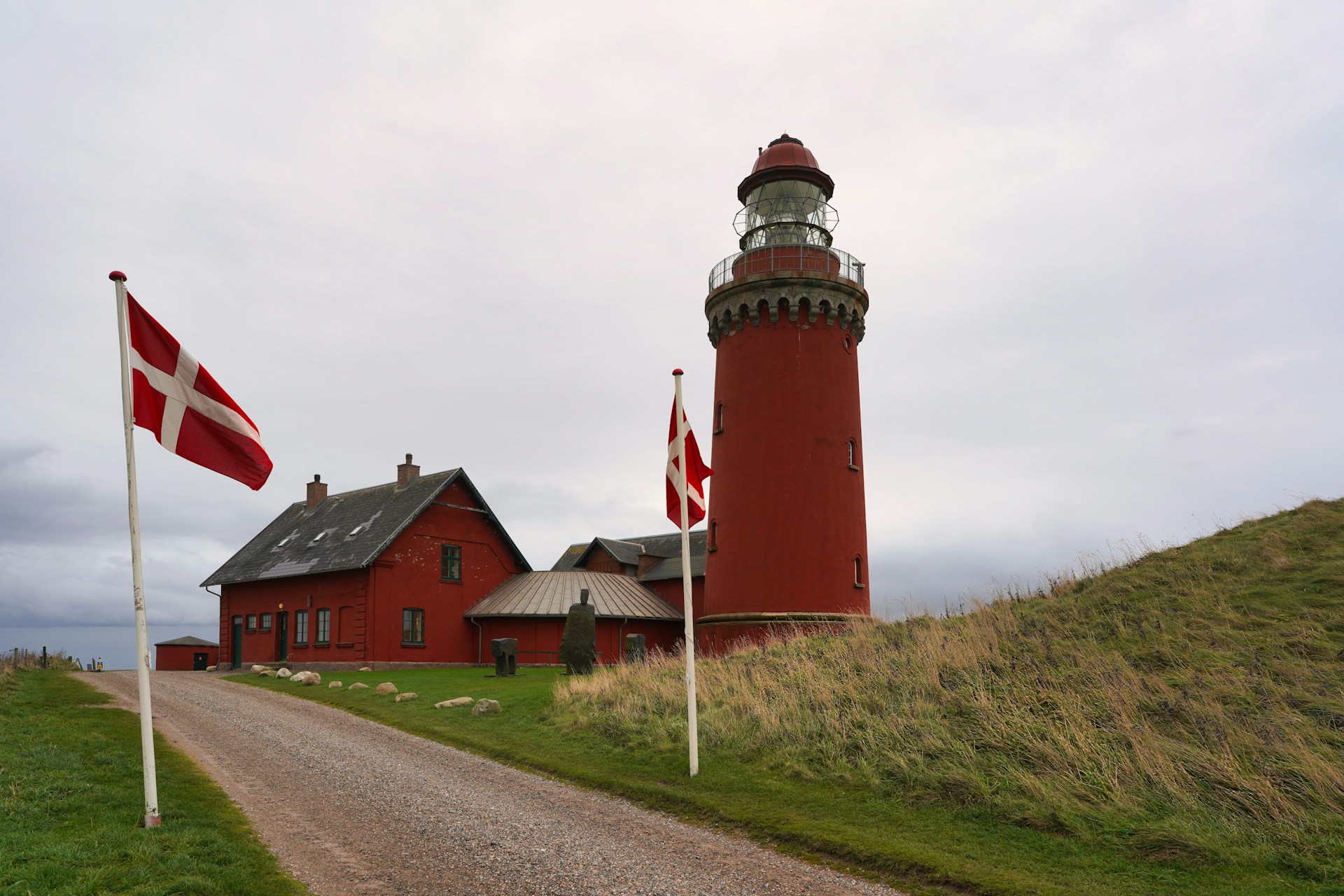
One of the most famous examples is Samsø, a small Danish island that has become a global symbol of sustainable energy. Just over two decades ago, the residents decided to completely change the way they produce energy.
Today, this island covers most of its energy needs with wind and biomass, and even exports surplus electricity to the mainland. What is particularly interesting is that many of the projects were financed by the citizens themselves, buying shares in the wind farms.
The result is not only a reduction in CO₂ emissions but also a strengthening of the local economy and the creation of new jobs.
El Hierro: The island harnessing wind and water
On the Spanish island of El Hierro, one of the most fascinating energy systems in the world has been developed. By combining wind farms with pumped hydro storage, the island manages to produce almost all of its electricity from renewable sources.
When the wind produces excess energy, it is used to pump water to an upper reservoir. When there isn’t enough wind, the water is released back through turbines to generate electricity. This system ensures a stable supply even when weather conditions are not ideal.
Pacific islands fighting climate change
For many small Pacific islands, transitioning to renewable energy is also a fight for survival. Rising sea levels and extreme weather conditions directly threaten their communities.
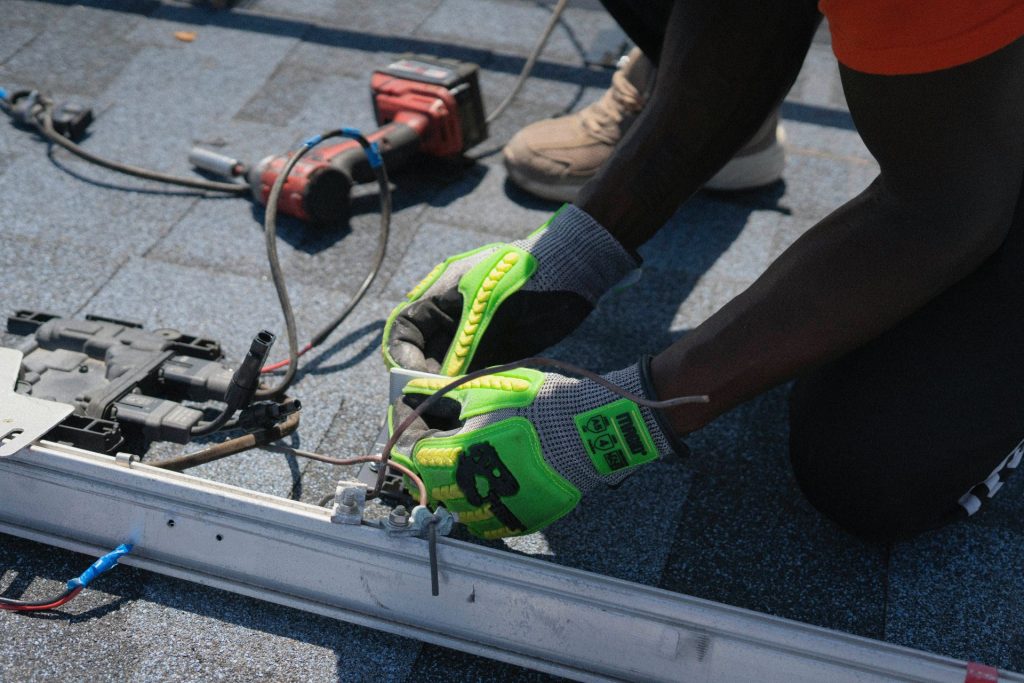
That’s why countries like Tokelau are investing in solar systems and battery storage to reduce their dependence on imported diesel. Tokelau has become one of the first territories in the world to derive nearly all its electricity from solar energy.
Beyond emission reductions, the islands have also managed to significantly lower energy costs, which is crucial for small communities with limited resources.
The future is smart energy systems
What connects most of these islands is the fact that renewable sources alone are not enough. The key to success lies in combining different technologies — solar panels, wind turbines, battery storage, smart grids, and demand management systems.
This is precisely why many islands today serve as “laboratories of the future,” where technologies that will soon become standard even in large cities are being tested.
Although it often seems that such projects are only possible on small islands, experience shows that the same principles can be applied in other settings — from remote villages to large urban centers.
Small islands may have been among the first to take this path, but the way they produce and use energy today could very soon become the global standard.
Milena Maglovski