Is it possible to create a forest in a space the size of an average living room, right in an urban area?
What we are used to is seeing forests stretching as far as the eye can see while traveling, while greenery in urban environments usually appears in controlled forms — trees planted at a distance, neatly mowed grass, and carefully shaped shrubs. But what happens when nature is allowed to become dense, diverse, and free again, even in a very small urban space?
I searched for the answer and came across some fascinating information. A pocket forest is a concept that is gradually becoming more recognized around the world. It is defined as a group of trees and shrubs planted very close to one another in a small area. On just 20 square meters, it is possible to create an entire miniature ecosystem that can include more than 50 different plant species.
The recommendations I found suggest that there is a great deal of freedom when choosing what to plant — as long as there is proper research into which plants are suitable for a specific area, which species are native, and whether certain plants can successfully grow alongside one another. Saplings around one year old are planted approximately 60 centimeters apart, with a maximum spacing of 120 centimeters.
What makes pocket forests special is not only the way they are planted, but also the fact that over time they begin to develop much like a natural forest. After the first two to three years, during which invasive species need to be removed and plant growth occasionally monitored, pocket forests generally become self-sustaining. Densely planted vegetation creates natural shade, retains moisture in the soil, and forms a layer of organic matter from fallen leaves, gradually developing healthy, living soil rich in microorganisms.
In urban areas, these small forests can play an important role. They help reduce air temperatures during summer months, absorb carbon dioxide, retain rainwater, and contribute to better air quality. They are especially important in cities dominated by concrete and asphalt surfaces, which contribute to the creation of so-called urban heat islands.
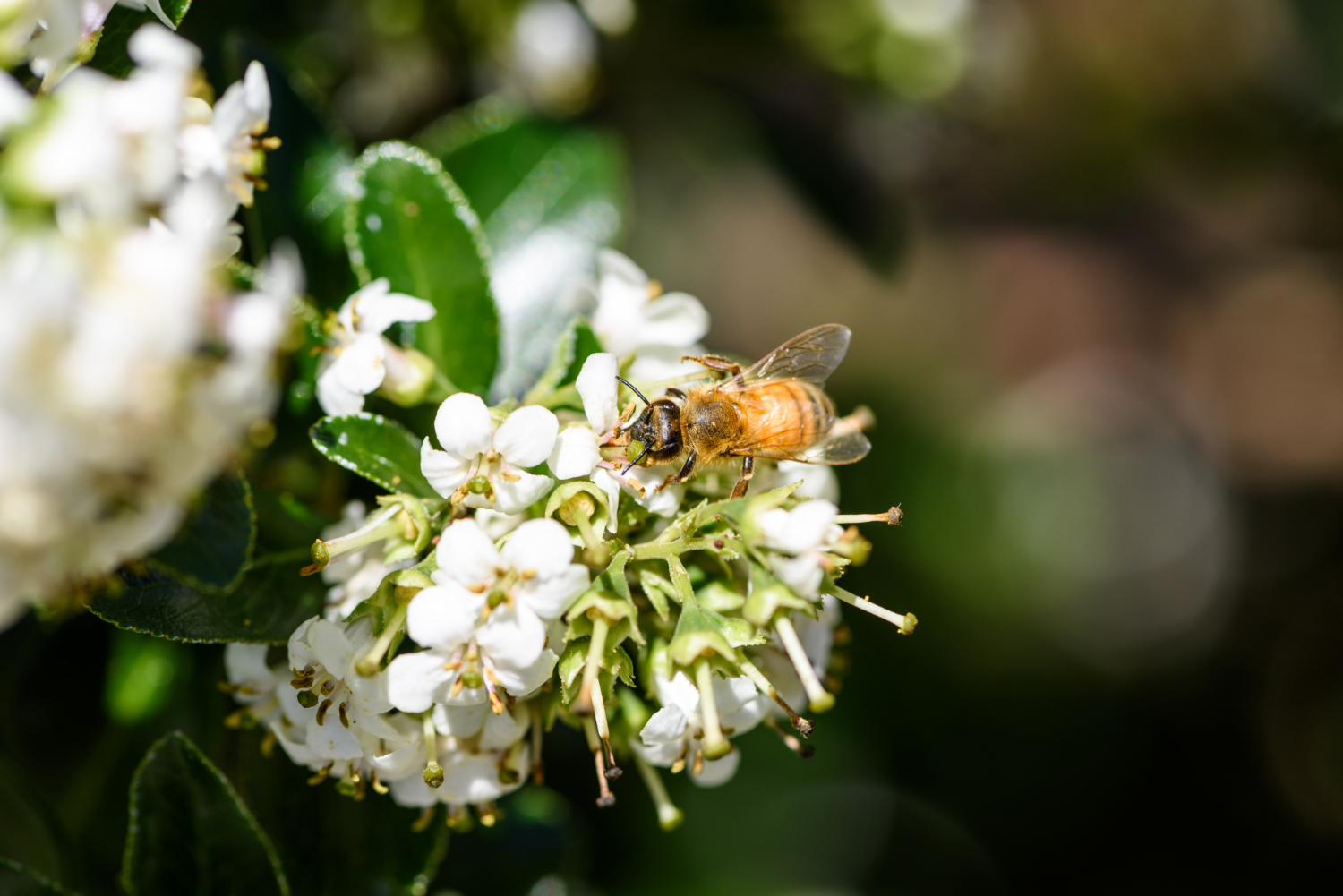
In addition, pocket forests provide valuable shelter for insects, birds, and pollinators, which often lack natural habitats in urban environments. The diversity of plants attracts various insect species, including bees and butterflies, which play a key role in maintaining ecosystems and pollinating plants.
Although they occupy only a small area, pocket forests demonstrate that even small spaces can contribute to the fight against climate change and help increase biodiversity in cities.