
Europeans Want an Energy Transition That Lowers Prices and Reduces Dependence on Energy Imports
Share
Reducing dependence on oil and gas imports, more stable energy prices and slowing climate change are the three main benefits Europeans expect from the energy transition, according to the latest survey by the European Investment Bank (EIB). As many as 82% of EU citizens expect the shift to cleaner energy sources to reduce dependence on fossil fuel imports, while 79% expect more stable or lower energy prices.
The survey, conducted among 23,000 citizens across all 27 EU Member States, shows that three in four Europeans consider the energy transition an urgent priority for their country. Reducing dependence on oil and gas imports was the most frequently cited benefit in 16 Member States, while more stable or lower prices topped the list in eight. Slowing climate change ranked first in Sweden, Malta and Luxembourg.
Rising Energy Prices Are Changing Citizens’ Habits
Six in ten Europeans (60%) say that higher prices for gas, fuel, heating oil and electricity have significantly reduced their purchasing power over the past 12 months. In response to rising costs, 38% of respondents have cut their everyday spending on food or healthcare, while 34% have reduced their use of heating. Another 16% have taken on debt, sought financial assistance or postponed paying their energy bills.
Changes are also evident in car use. Around 31% of respondents have reduced trips for essential activities, such as shopping and visiting the doctor, while 30% have given up weekend trips, holidays or visits to family and friends. Some 22% now drive more slowly to save fuel, while the same proportion have replaced individual car journeys with carpooling, public transport or cycling.
Read more:
- Montenegro’s Energy Sector on the Path to EU Accession: Progress in Energy Networks and Renewables, but Faster Phase-Out of Fossil Fuels Needed
- HESS Plans to Expand Battery Energy Storage Capacity by 2030
- EU Introduces New Rules for Data Centres Amid Rising Energy and Water Consumption
Citizens are also warning about the consequences of a slow energy transition. Long-term increases in energy prices and the cost of living are seen as a risk by 79% of respondents, while 78% fear growing dependence on oil and gas imports. At the same time, 62% of Europeans say they would feel prouder to be EU citizens if the Union became energy independent.
Solar Power Leads Among Clean Energy Sources
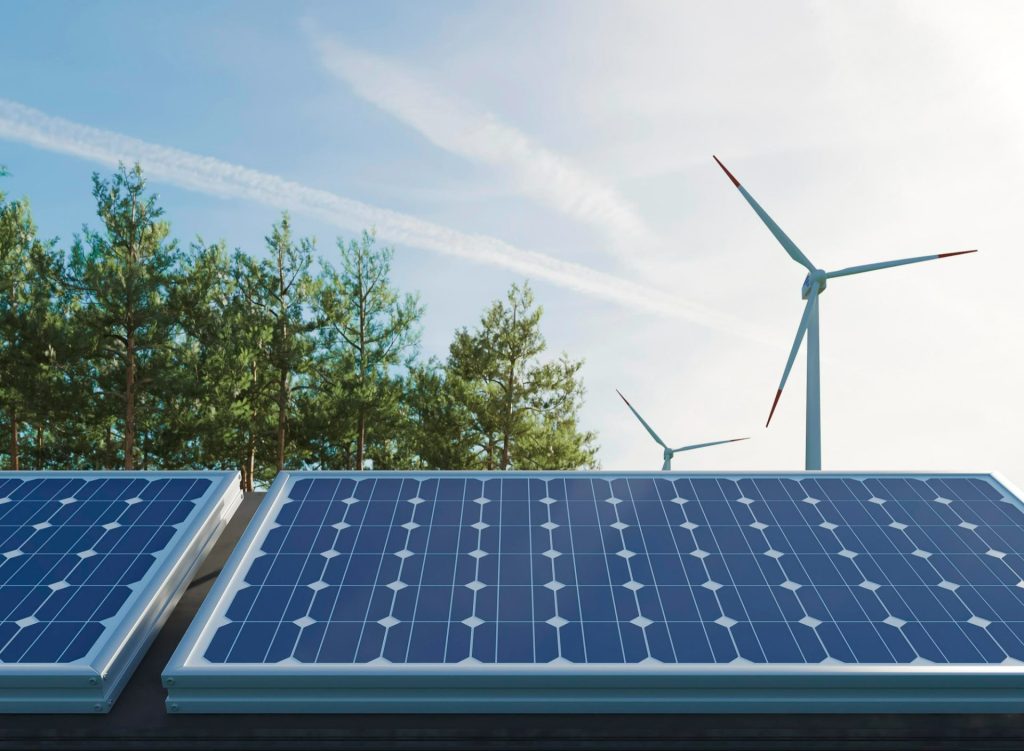
As many as 87% of Europeans believe priority should be given to low-carbon energy. Among the different energy sources, solar energy enjoys the strongest support, with 52% of respondents favouring it, while 37% favour wind power.
The survey also shows that 55% of EU citizens support building a competitive European clean technology industry, even if this means slowing down the deployment of these technologies compared with using imported equipment. Faster deployment of technologies from other countries is supported by 29% of respondents. Developing domestic industry enjoys majority support in all 27 Member States.
In addition, 68% of citizens want their country to cooperate more closely with other countries in implementing the energy transition, while 59% support EU Member States pooling resources to finance the necessary investments.
The European Investment Bank’s annual financing for energy projects has doubled since the start of Russia’s invasion of Ukraine, reaching €33 billion in 2025.
The survey was conducted by Ipsos BVA between 3 and 25 August 2026, among a sample of 23,000 people aged 16 and over across all 27 EU Member States.
Energy Portal