

Newsletter Subscribe
Enter your email address below and subscribe to our newsletter

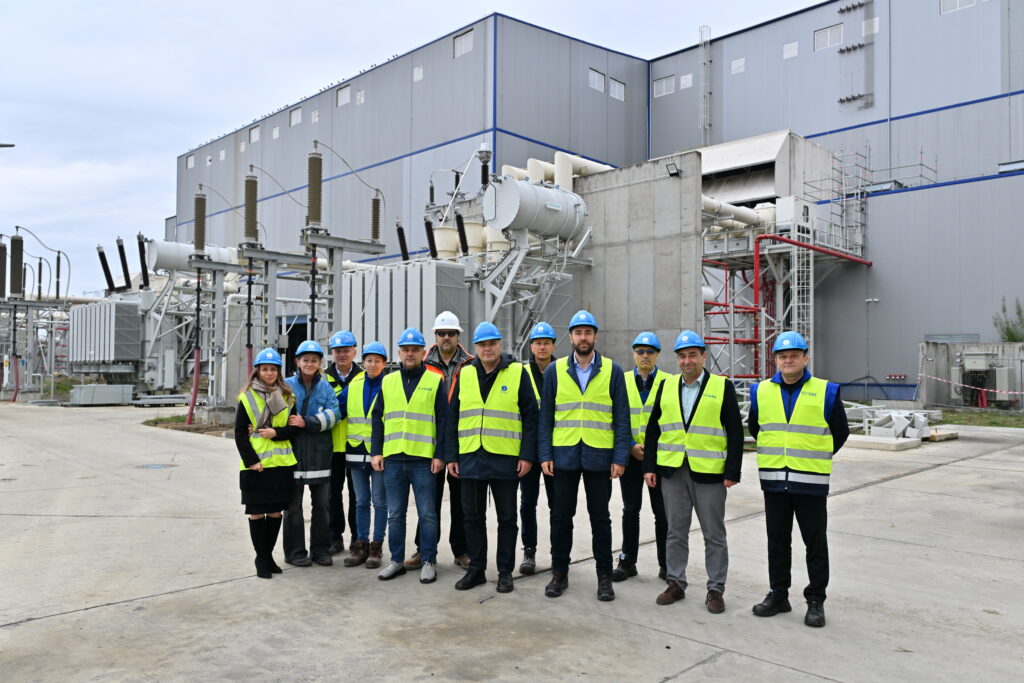
Romanian Energy Minister Dumitru Kizalića visited the Jernut thermal power plant on 31 October, where he discussed progress on the construction of the new facility with representatives of national gas company ROMGAZ.
The project involves the construction of a modern gas-fired power plant with an installed capacity of 430 MW, representing one of ROMGAZ’s strategic investments in Romania’s energy sector.
According to estimates presented during the visit, the plant is expected to be synchronised with the national electricity grid no later than the first quarter of 2027, while commercial operation is anticipated by the end of the first half of the same year, the Romanian Ministry of Energy said in a statement.
HESS Plans to Expand Battery Energy Storage Capacity by 2030
Bulgaria Allocates €170 Million to Reduce Electricity Costs for Industry
Efficiency and flexibility of the power system
The new Jernut plant is designed to achieve a gross electrical efficiency of 56.4 per cent, which should enable more efficient use of natural gas in electricity generation.
The facility will also feature a black-start system, allowing it to start up without an initial power supply from the external grid. This capability is important for restoring the operation of the electricity system in the event of major disruptions or widespread power outages.
Thanks to its operational flexibility, the plant will be able to respond to changes in electricity demand and generation, as well as contribute to system balancing and the provision of ancillary services, subject to the necessary certifications and approvals.
Its location in central Romania is also expected to support security of electricity supply and reduce the risk of congestion in the transmission network.
The completion of the Jernut project is expected to increase Romania’s electricity generation capacity, diversify its energy mix, and strengthen the stability and flexibility of the national power system.
Energy portal