
Newsletter Subscribe
Enter your email address below and subscribe to our newsletter

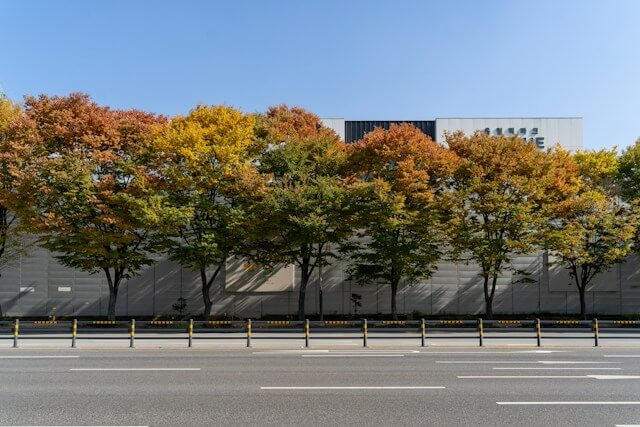

Climate analyses based on statistical data for Bosnia and Herzegovina from 1960 to 2023 show a steady increase in the number of very hot summer days with temperatures above 35°C, by approximately 4–8 days per decade, with projections suggesting this trend will intensify further throughout the century. Since the early 2000s, the entire Western Balkans region has experienced an increase in the frequency of extreme heat events, alongside a decline in extreme cold events. Cities are particularly vulnerable to these changes, and their vulnerability is increasing because of urbanization, higher building density, and growing pressure on green spaces. Studies of cities in the Western Balkans indicate an expansion of built-up and other artificial surfaces, often at the expense of natural, semi-natural, and agricultural areas, while in some urban environments rapid construction is leading to the loss and fragmentation of green spaces.
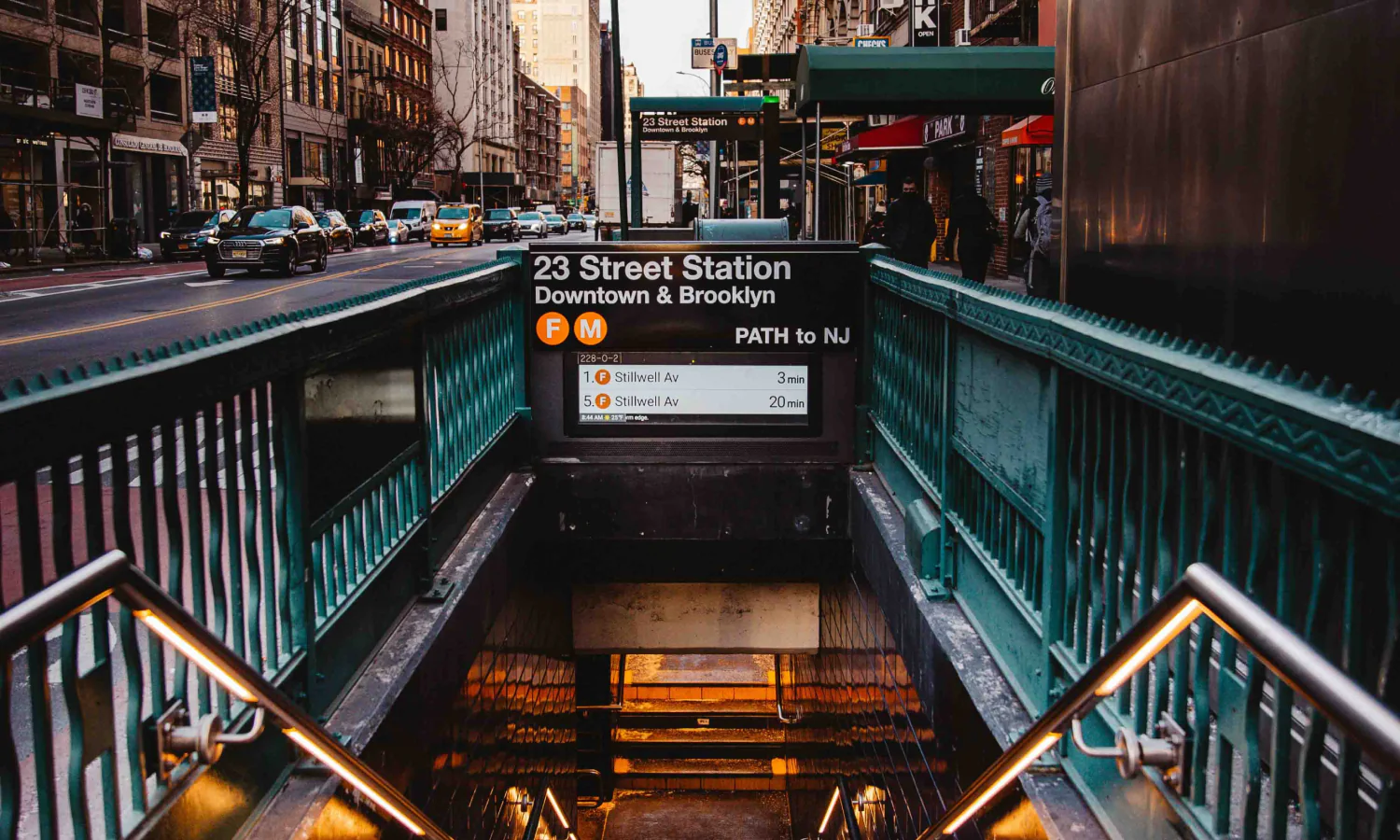
Urban morphology significantly affects the intensity of overheating. Tall, densely packed buildings along narrow streets create urban canyons where solar radiation is absorbed and reflected between façades and road surfaces, while limited sky exposure slows cooling at night. At the same time, compact building blocks can restrict natural air circulation, while a lack of trees reduces shading and natural cooling through evapotranspiration.
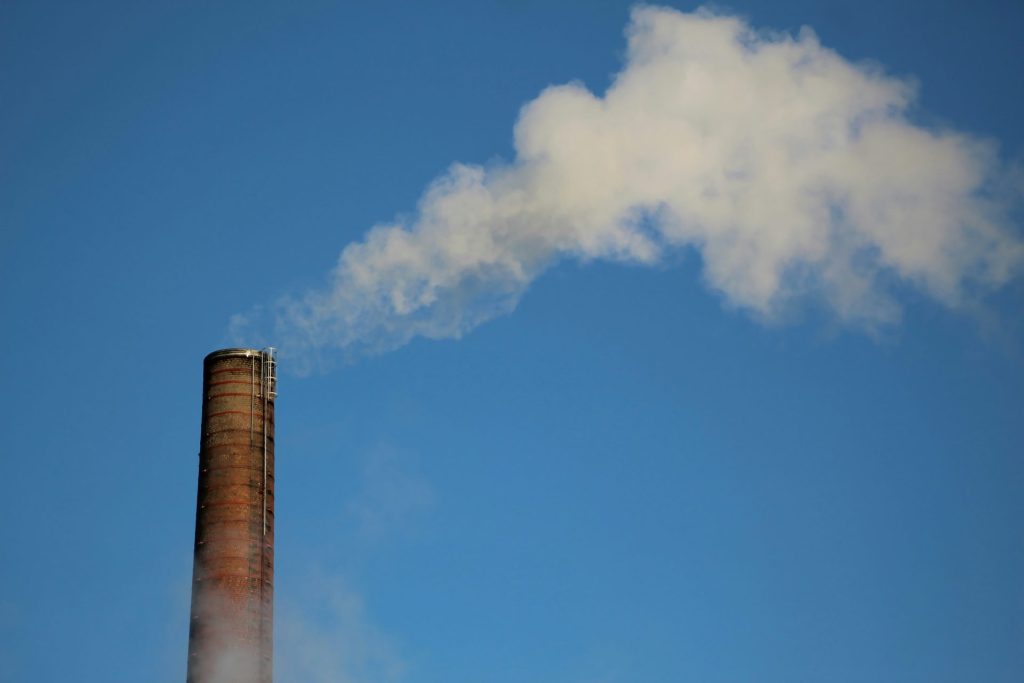
In urban areas, this problem is further linked to air quality. When natural air circulation weakens, exhaust fumes, dust, and other pollutants can remain trapped longer in the lower layers of the atmosphere. When outdoor air is both hot and polluted, the ability to naturally cool indoor spaces by opening windows becomes limited, increasing dependence on mechanical cooling. During winter, similar urban morphology can have different consequences: temperature inversions, weak winds and increased emissions from traffic and individual heating systems can contribute to the prolonged accumulation of pollutants in the lower layers of the atmosphere. In this way, urban form, air quality and the energy needs of buildings become interconnected challenges.
Pressure on green spaces is not merely a matter of aesthetics and public-space quality; it directly affects cities’ ability to adapt to rising temperatures, maintain acceptable air quality, and limit the need for mechanical cooling. Urban planning policies are therefore needed that simultaneously regulate building density, protect and expand green infrastructure, and preserve natural ventilation corridors.
Another challenge is that some larger and medium-sized cities in the Western Balkans, such as Banja Luka, Sarajevo, and Skopje, have not yet adopted new master urban plans, while Mostar continues to rely on a combination of spatial and regulatory plans for spatial development. This can make it harder to systematically incorporate climate adaptation measures, green infrastructure, and urban heat island mitigation into long-term urban development planning.
Urban overheating also directly affects buildings’ energy needs. The heating of built-up surfaces during the day increases the need for indoor cooling, particularly in densely developed urban areas. Energy-inefficient buildings with poor insulation, inadequate solar protection and inefficient cooling systems are particularly vulnerable, as they overheat more quickly and require more energy to maintain acceptable indoor comfort. The problem is further exacerbated in areas with elevated air pollution, where opportunities for natural ventilation and night-time cooling are limited.
Energy consumption for cooling has risen sharply in recent years. Globally, energy use for space cooling has more than tripled since 1990, while the growing number of air-conditioning units and increasingly frequent heatwaves are further increasing peak electricity demand. In the European Union, this trend is also pronounced: household energy consumption for cooling increased from 40.5 thousand TJ in 2018 to 80.4 thousand TJ in 2024, nearly doubling in just six years.
The growing need for cooling is also becoming an energy security issue. Demand peaks occur during periods of extreme temperatures, precisely when certain parts of the power system are under additional strain. High temperatures can reduce the efficiency of thermal power plants and limit water availability for cooling, while also affecting hydropower generation. At the same time, electricity demand for air conditioning increases.
The consequences of this trend are also visible in the Western Balkans, where some countries recorded significant disruptions in electricity supply and record levels of electricity demand during the 2024 heatwaves.
Prof. Petar M. Gvero, PhD, University of Banja Luka, Faculty of Mechanical Engineering
The story was published in Energy portal Magazine SUSTAINABLE ARCHITECTURE