


Newsletter Subscribe
Enter your email address below and subscribe to our newsletter


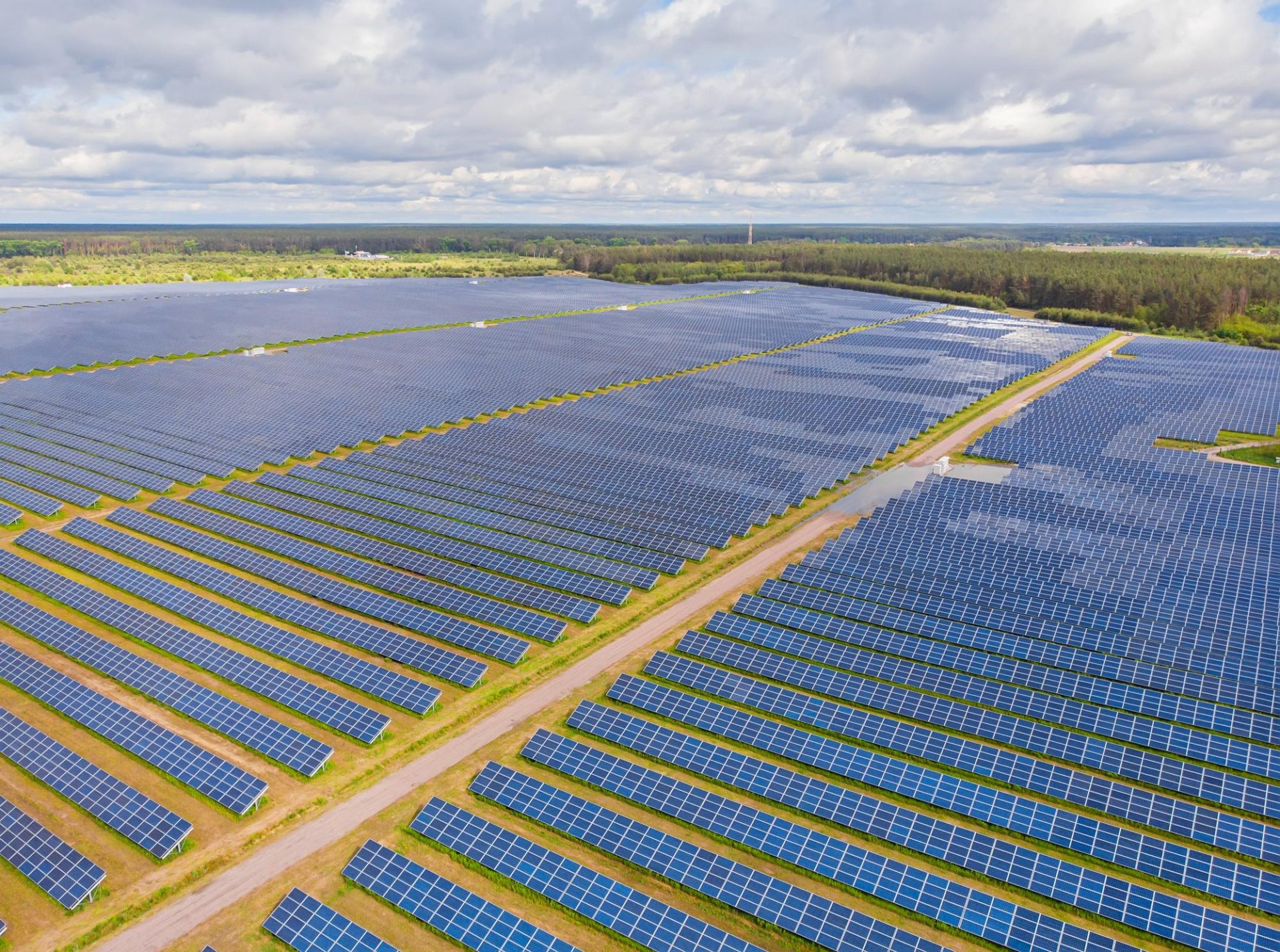
Heatwaves, which brought temperatures above 40°C, and drought affected large parts of Europe during June and July, putting pressure on power grids, increasing electricity demand and driving up prices. According to a report published by Ember, European power grids remained stable despite these challenging conditions, thanks to record solar power generation.
High temperatures led to increased use of air conditioning, while drought and unfavourable hydrological conditions limited generation from nuclear and hydropower plants, as well as other sources. Daily electricity demand during heatwaves was up by as much as 28 percent, with the largest increases recorded in Italy and Hungary. Demand rose by 28 percent in Italy, 23 percent in Hungary, 14 percent in France and 13 percent in Spain compared with the period before the heatwaves.
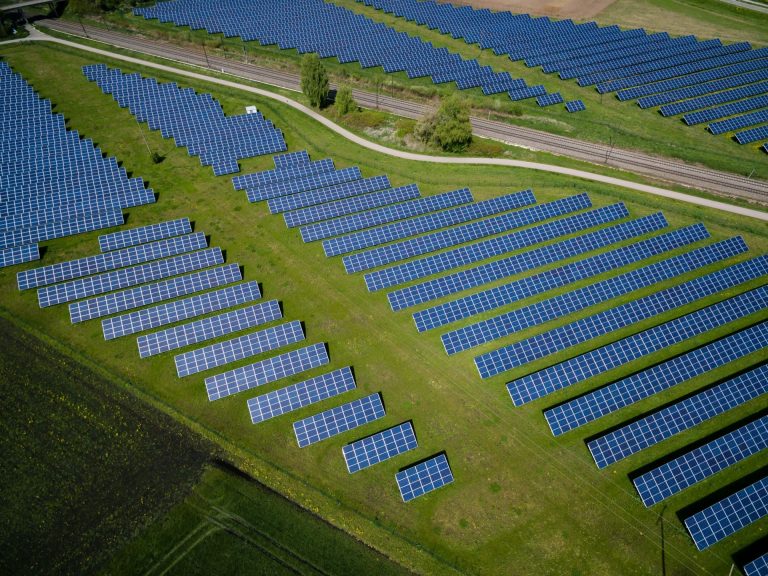
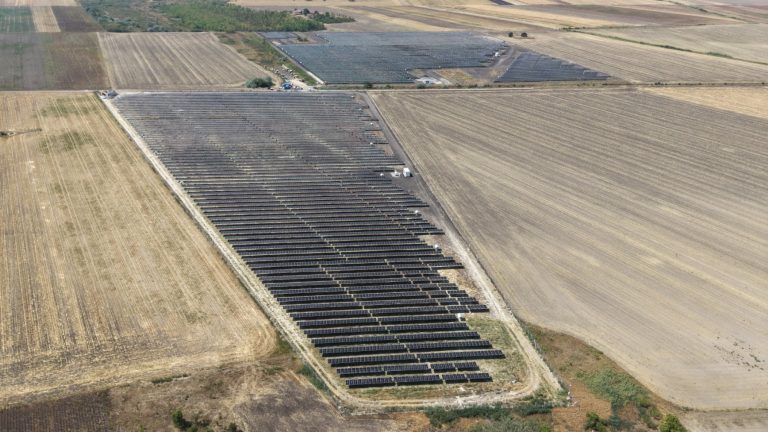
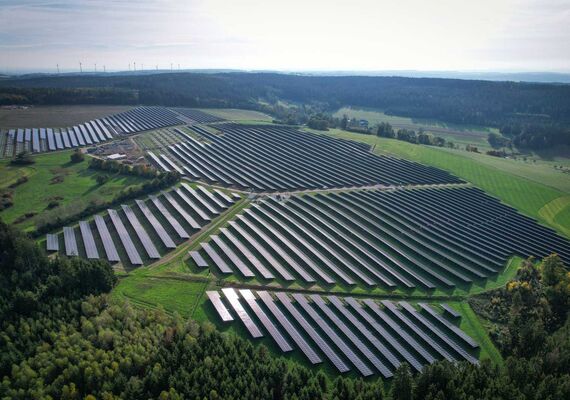
At the same time, solar power generation reached record levels. During heatwave days, solar generation was up to 17 percent higher than on other days in June and July. At EU level, solar generation reached 52 TWh in June and 55 TWh in July, accounting for 25 percent of total electricity generation in both months.
Solar energy was particularly important because its peak generation coincided with increased electricity demand caused by air conditioning. However, after sunset, solar generation declined while demand remained high, leading to price spikes. During the heatwaves in late June and early July, average daily electricity prices were 119 percent higher in Hungary, 44 percent higher in France, 13 percent higher in Italy and 7 percent higher in Spain.
Ember therefore highlights the need for greater flexibility in the power system, particularly through battery storage and demand-side management.
Energy portal