


Newsletter Subscribe
Enter your email address below and subscribe to our newsletter



At least three companies are hoping to bring supersonic airplanes back into the skies, but environmental groups worry their return could mean a big increase in greenhouse gasses from aviation. The issue is expected to come to the fore next…

The world’s seas will change colour by 2100. That’s the prediction made in a new study led by researchers at the Massachusetts Institute of Technology (MIT) and published in the Nature Communications journal. They believe the different kinds of phytoplankton…

IKEA is to start leasing furniture as part of a more sustainable business model for the future. The Swedish brand has announced it is launching trials in Switzerland this month to test out new subscription services for everything from office…
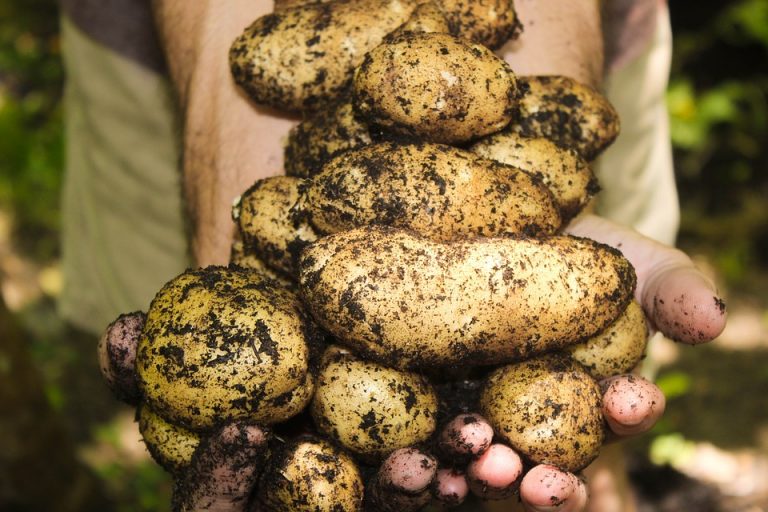
The British chip has been left an inch shorter by the 2018 heatwave, according to a report on the risks to UK fruit and vegetable growing from climate change. The spell of baking summer weather was made 30 times more…
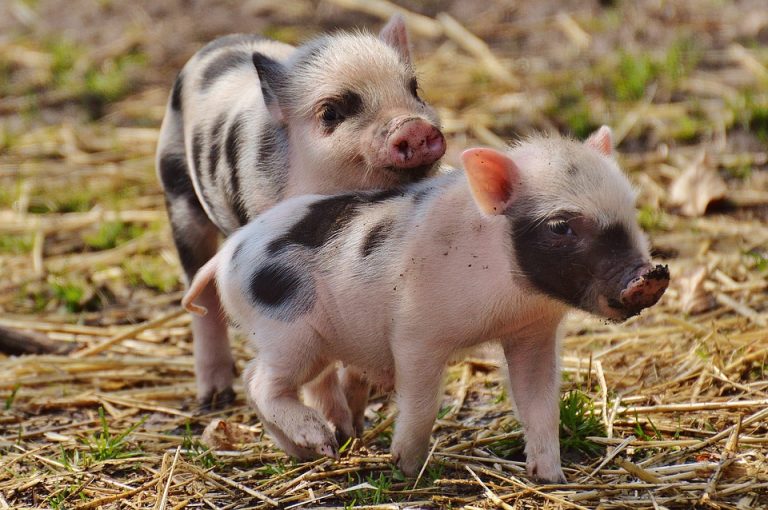
As you might already know, Earth really needs us to eat less meat. That’s why it’s so encouraging to hear a record-number of people tried going vegan this January. Organizers behind Veganuary, the UK-based charity that started the month-long pledge,…
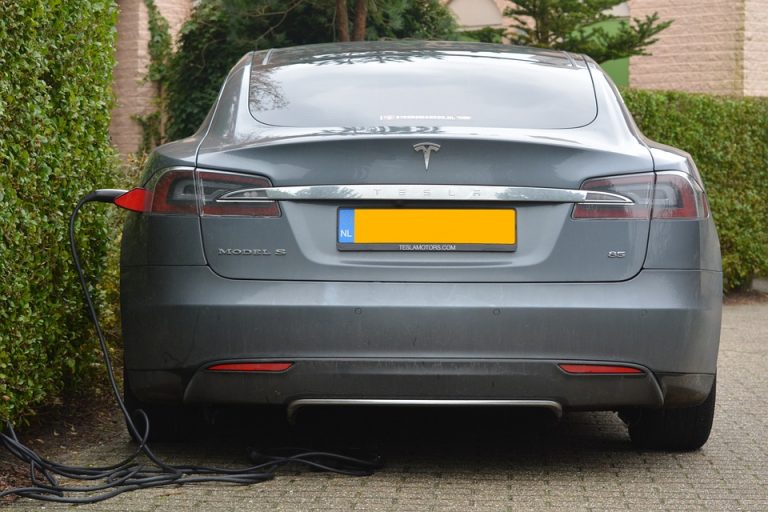
EV owners know what it’s like to live with range anxiety, but Tesla’s latest investment might make those travel concerns easier to live with. The company confirmed its plans to purchase San Diego-based Maxwell Technologies in a $218 million deal…
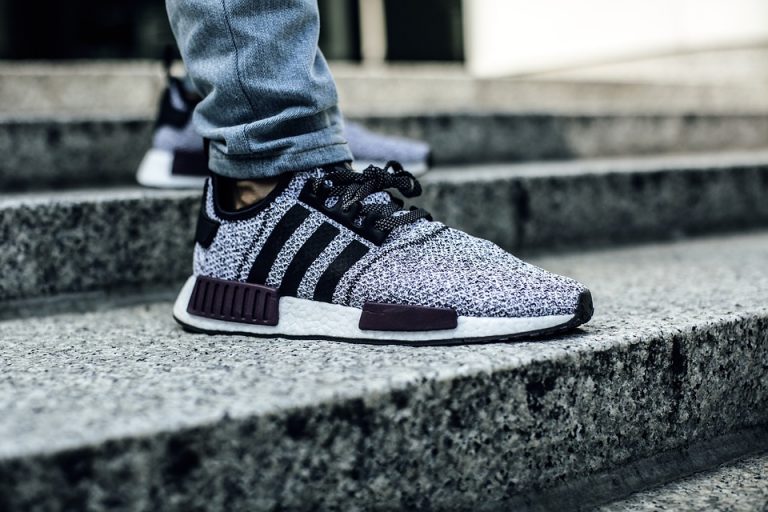
Adidas has announced plans to more than double the amount of shoes it is making from recycled plastic waste in 2019. The trainer and fashion brand aims to produce 11 million pairs of its Ultraboost Parley in 2019, in partnership…