

Newsletter Subscribe
Enter your email address below and subscribe to our newsletter

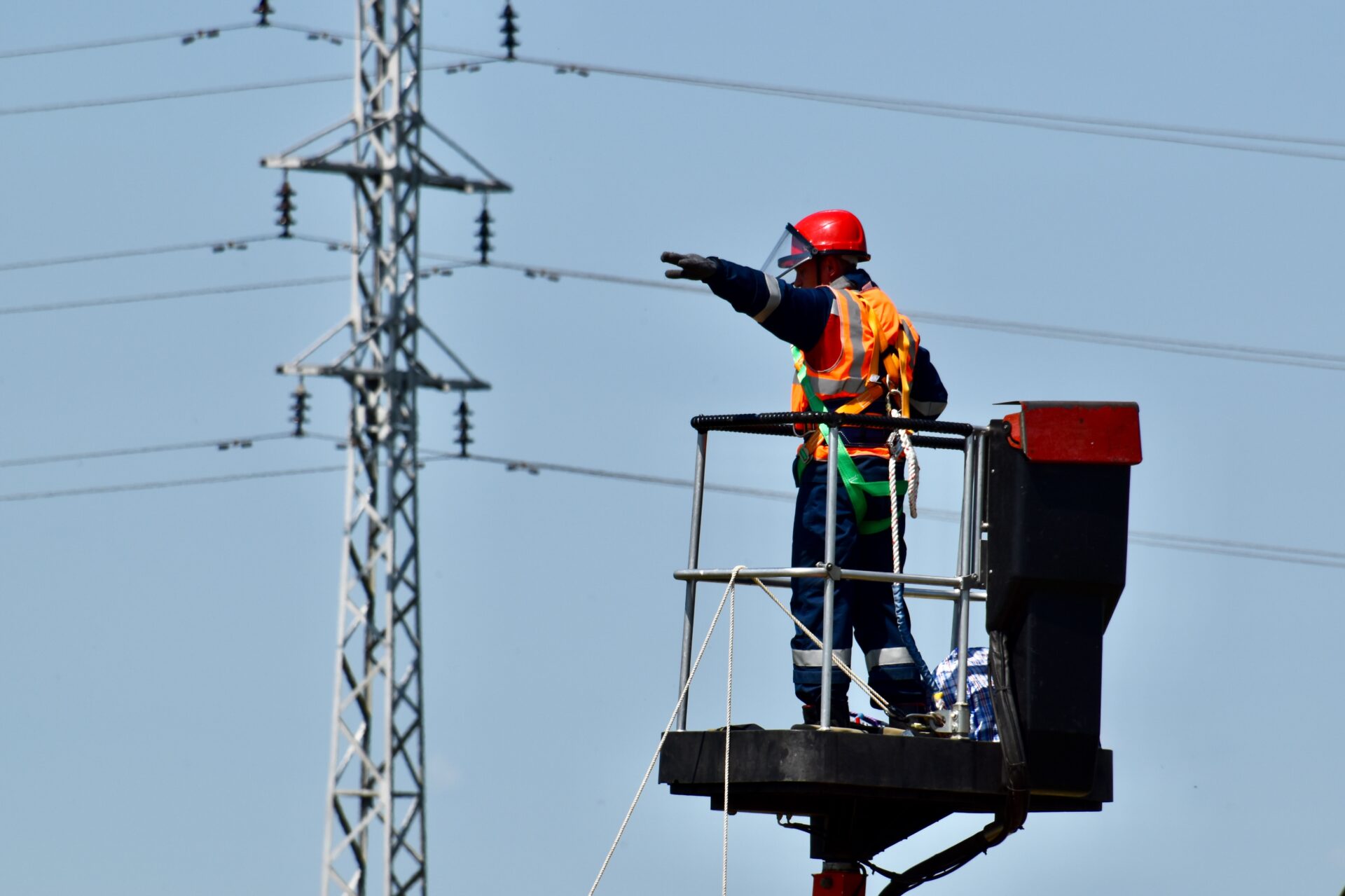
The European power grid is undergoing rapid change as electricity generation from renewable sources and the deployment of battery storage systems continue to grow. Consequently, maintaining system stability is becoming an increasing challenge, particularly because these sources differ from traditional power plants in how they connect to the grid.
To prevent disruptions in the power system’s operation, the European Network of Transmission System Operators for Electricity (ENTSO-E) has published a new report with recommendations for identifying and mitigating so-called forced oscillations – unwanted fluctuations in the power grid that, if not detected in time, can undermine system stability.
The report was prepared in collaboration with WindEurope and supports the proposed amendments to the European Network Code on Requirements for Generators (NC RfG 2.0), which is currently under review by the European Commission.
Although the recommendations are based on experience with wind farms, the future rules will not apply solely to them. They will also cover solar power plants, battery energy storage systems, and other facilities that use power converters (inverters).
Most Oscillations Decay Quickly
Data analysis has shown that the majority of recorded grid oscillations naturally and quickly dampen out, meaning that existing systems successfully maintain stability in most cases.
Experts assess that the current threshold values for monitoring these phenomena provide a good foundation, but stress that they should be adjusted in the future as experience grows with power systems where renewables account for an ever-larger share.
For this reason, ENTSO-E recommends that transmission system operators do not apply uniform criteria across all countries, but rather tailor them to the specific characteristics of their respective grids.
Proper Design of Wind Farms Is Important
One of the report’s conclusions is that wind turbine manufacturers and investors should use realistic parameters for oscillation control already at the design stage.
These parameters affect not only the safe operation of the plant but also the construction of towers, foundations, and other critical components. If significant adjustments are found to be necessary after construction, implementing them can be technically complex and costly.
ENTSO-E also calls on equipment manufacturers, investors, and the research community to improve existing tools for detecting oscillations. More precise software could reduce the number of false alarms and enable operators to make safer real-time decisions.
This report serves as a basis for developing future guidelines that will help transmission system operators apply the new European rules once the NC RfG 2.0 Network Code is formally adopted.
Energy portal