

Newsletter Subscribe
Enter your email address below and subscribe to our newsletter


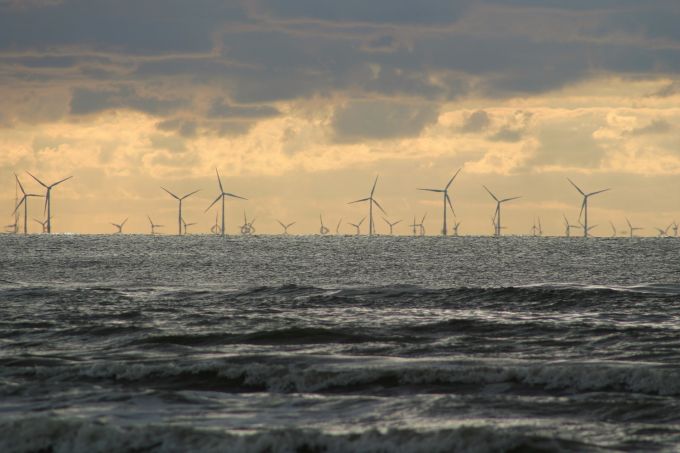
The German government has recently adopted draft legislation aimed at advancing the development of offshore wind energy, reducing system costs and increasing investment security. In addition, it has decided to allocate 5.525 billion euros annually to cover transmission grid costs through 2029.
Amendments to the Offshore Wind Energy Act (WindSeeG) provide for the sector’s development to be stabilised at an average of around 3 GW per year. The government says that a more balanced pace of construction will allow companies to plan investments in manufacturing capacity, ports, workforce and supply chains more reliably, while avoiding costly overcapacity.
One of the key changes concerns the design of auctions. A two-stage model is envisaged, giving priority to market-based mechanisms while allowing projects to be protected where risks are considered too high. Contracts for Difference (CfDs) would be used for this purpose, providing producers with greater revenue certainty.
The draft legislation would also allow offshore wind farm grid connections to accommodate up to 20 per cent more capacity, enabling existing infrastructure to be used more efficiently and reducing electricity generation costs. The operating period of projects would be extended from 25 to 35 years, while measures to reduce the effects of wake losses are expected to increase generation per unit of area.
At the same time, the German government has adopted a decision to provide an annual subsidy of 5.525 billion euros to cover transmission grid costs. According to the proposal, the funds will come from the Climate and Transformation Fund, and the measure will remain in place until the end of 2029. The government expects this to reduce the burden on households and companies, particularly industry, for which competitive electricity prices are an important factor in business operations.
The draft legislation will now be submitted to the Bundesrat and Bundestag for consideration. The amendments come at a time of changing market conditions, shifting the focus towards the cost efficiency of the energy system, the government said in its statement.
Energy portal