

Climate Change
Share
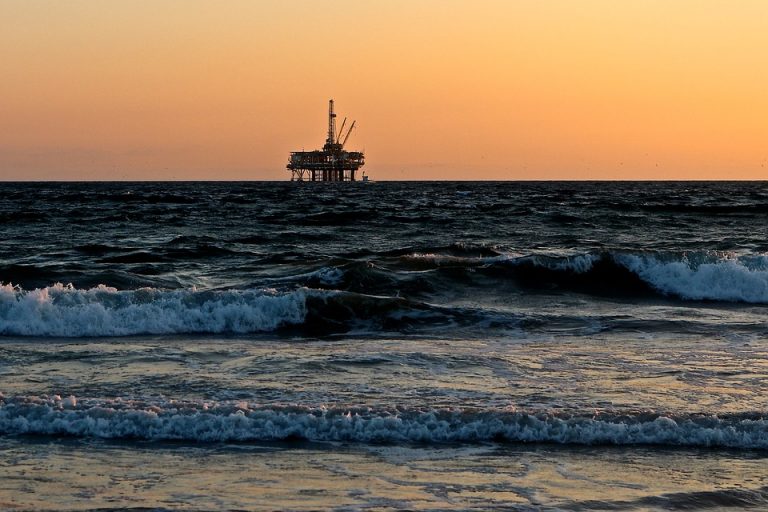
New Satellite Could Help Rat Out Methane Polluters
As greenhouse gases go, methane is a heavy hitter – one with a heat-trapping ability 25 times that of carbon dioxide (CO2) over the course of a century. As the second-most abundant greenhouse gas after CO2, slowing methane emissions could…
Climate Change Could Set Off Volcanoes
We can add volcanic eruptions to the list of potential climate change hazards. In a presentation at the European Geosciences Union General Assembly held from April 8 to 13, University of Clermont Auvergne Ph.D. student Gioachino Roberti explained research indicating…
Scientists Suggest a Giant Sunshade in the Sky Could Solve Global Warming
It sounds like the stuff of science fiction: the creation, using balloons or jets, of a manmade atmospheric sunshade to shield the most vulnerable countries in the global south against the worst effects of global warming. But amid mounting interest…
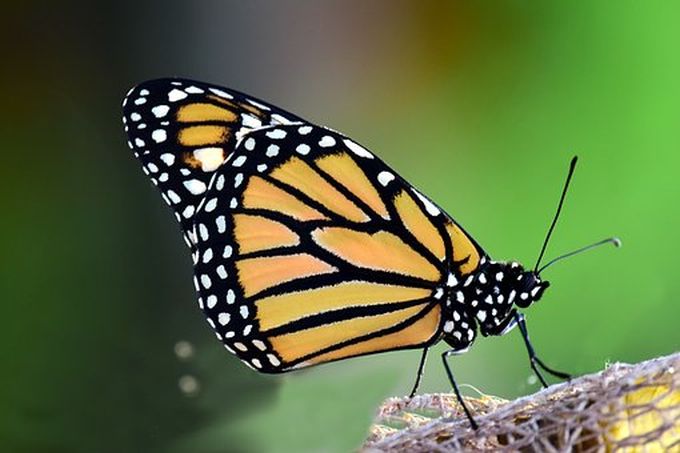
Climate Change and Invasive Milkweed Could Make Toxic Cocktail for Monarchs, Study Finds
Monarch butterflies are already in danger. Their numbers have decreased by 80 percent in the past 20 years, and this year’s count of the number of the black-and-orange butterflies wintering in Mexico was lower than 2017’s. Now, researched reported Tuesday…
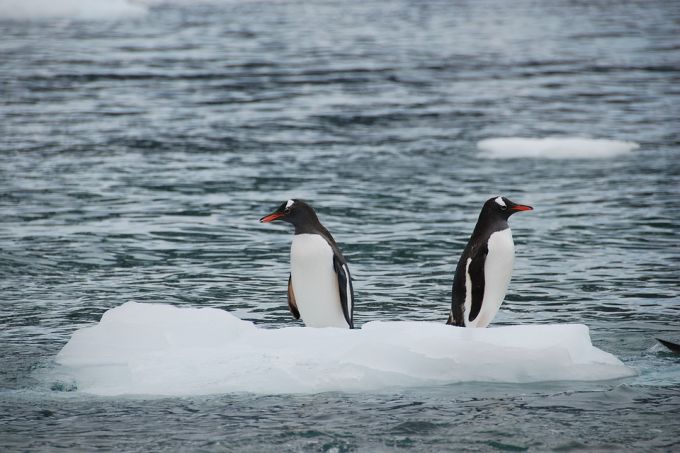
Antarctica Lost a London-Sized Area of Underwater Ice in Only 6 Years
Antarctica’s ice sheet is retreating due to warm ocean water circulating beneath its floating edge, researchers from the UK Centre for Polar Observation and Modelling at the University of Leeds have found. The study, published in Nature Geoscience, shows that…
Half a Degree of Warming Makes a Big Difference to Global Food Security, Study Finds
A study published Monday indicates that it makes a big difference to global food security whether signatories to the Paris agreement are able to keep global temperature to 1.5°C above pre-industrial levels, or allow it to rise a full two…
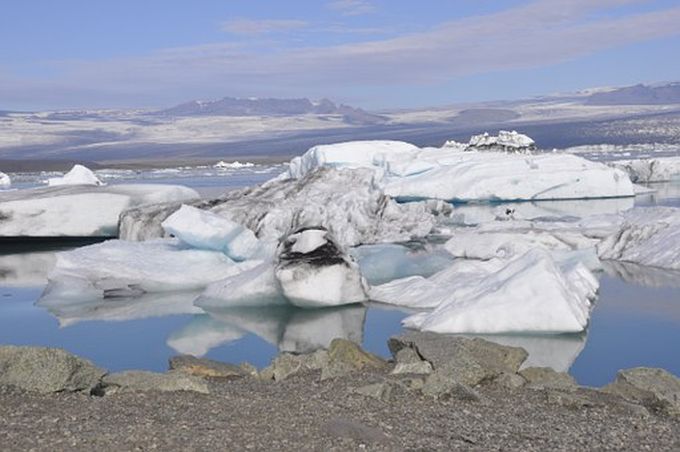
Melting Permafrost Emits More Methane Than Scientists Thought
Methane emissions are the source of the greenhouse gas which, after carbon dioxide, probably causes climatologists more sleepless nights than any of the other gases. And now it appears they have quite a lot more to bother them than they…