

Environmental Protection
Share
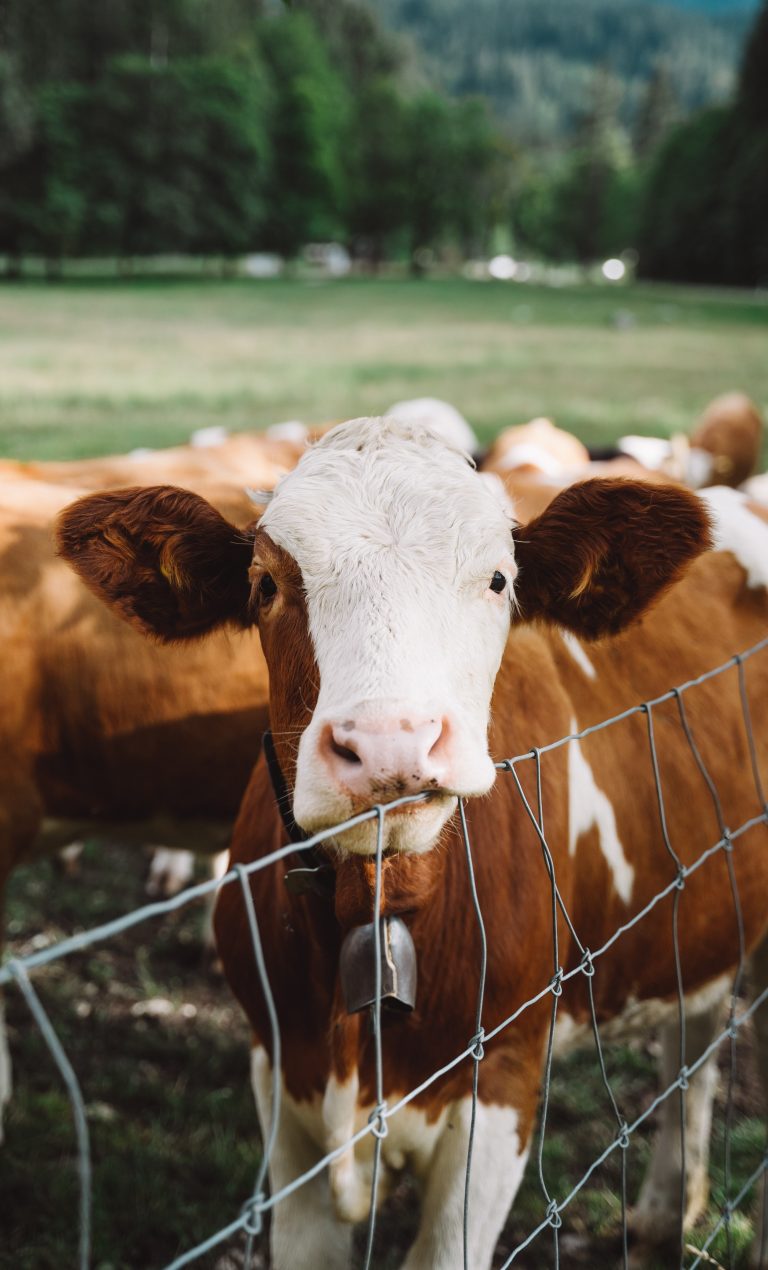
This Is How CO2 Can Be Transformed Into Food for Animals
A British biotechnology start-up is converting industrial greenhouses gases into protein for animal fodder. The company uses a process it says can help to feed the world’s growing population while simultaneously being sustainable. Deep Branch uses micro-organisms to synthesize carbon…
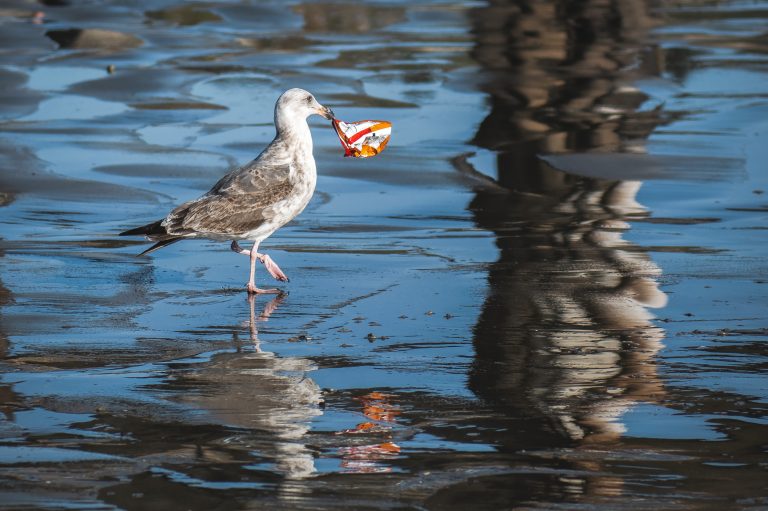
Cleaning Up After Water Pollution
It is very difficult to reverse the effects of water pollution. Natural processes that cleanse the water can take years, decades, or even centuries, and even with costly technological processes, it can take years to remove all of the harmful…
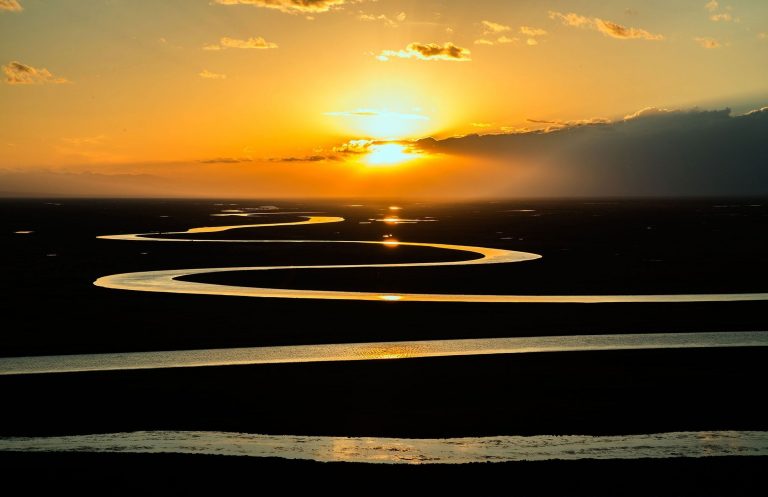
Four Rivers And Wetlands We Love, And Can’t Afford To Lose
Water means different things to different people. For some, it nourishes livelihoods and drives local economies and for others it’s a source of recreation and reflection. Water is valued for a variety of reasons, but the common thread throughout is…
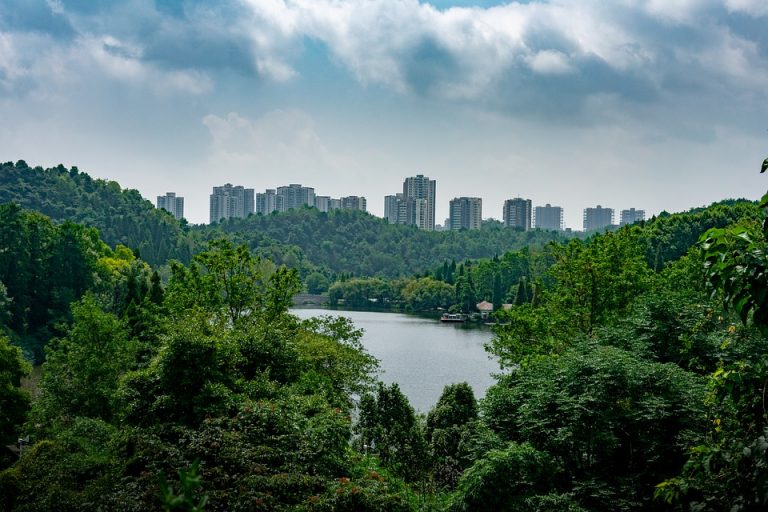
Urban Fish Ponds: Low-Tech Sewage Treatment for Towns and Cities
In the mid 20th century, whole cities’ sewage systems safely and successfully used fish to treat and purify their water. Waste-fed fish ponds are a low-tech, cheap, and sustainable alternative to deal with our own shit — and to obtain…
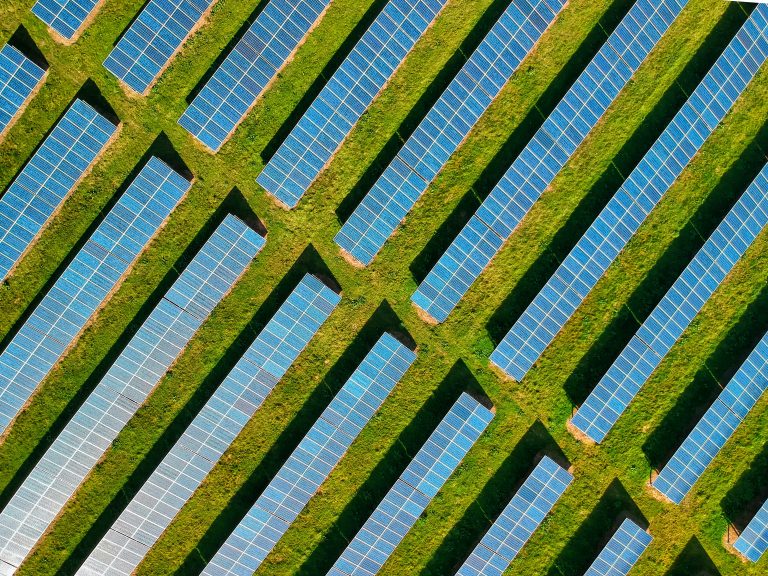
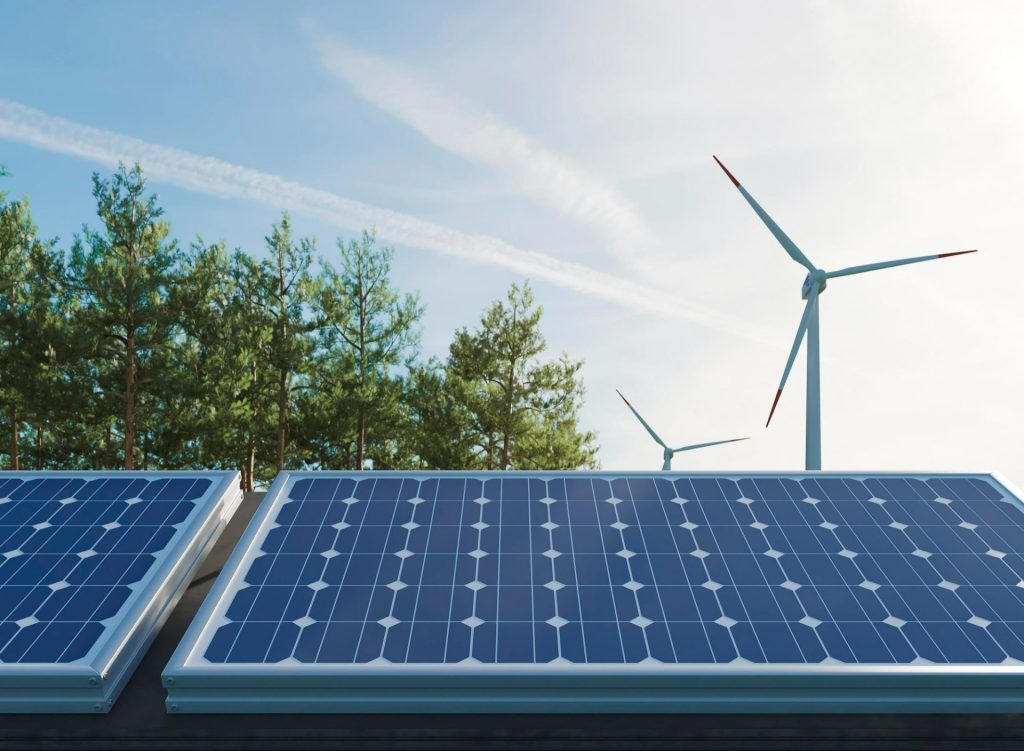
Renewable Energy: Common Myths Debunked
Critics of renewable energy often cite two reasons for why they think a transition from fossil fuels will take half a century. Firstly, that sources of renewable energy are too intermittent to be reliable and secondly, that governments cannot bear…
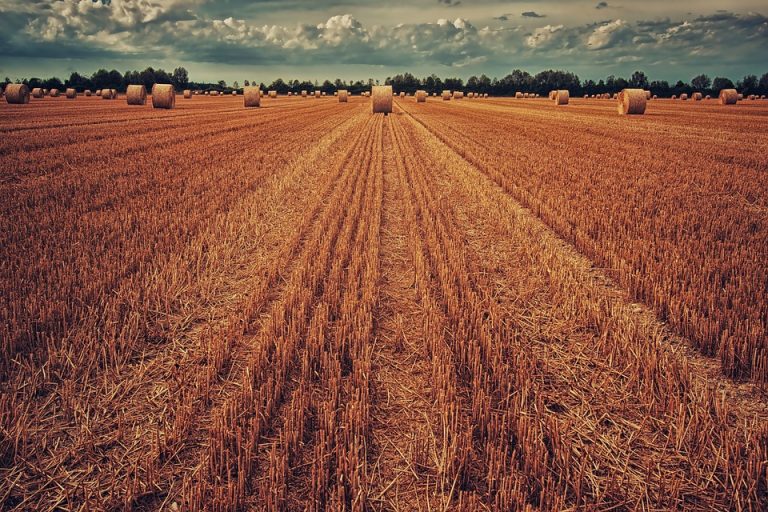
Agricultural Policy Needs To Secure Stronger Environmental Improvements for Water in Europe
Agricultural management practices should be based on agroecological principles, organic farming and nature-based solutions, the EEA report ‘Water and agriculture; towards sustainable solutions,’ says. To achieve this, more ambitious measures to promote sustainable agriculture are needed in the upcoming EU…
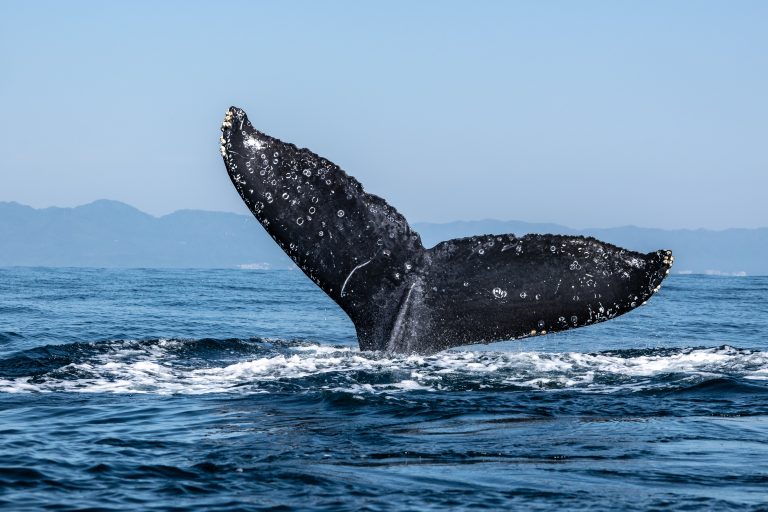
A Ten Step Plan to Save Our Seas
The year 2050 has been predicted by some to be a bleak year for the ocean. Experts say that by 2050 there may be more plastic than fish in the sea, or perhaps only plastic left. Others say 90 percent of our coral…