





Environmental Protection
Share
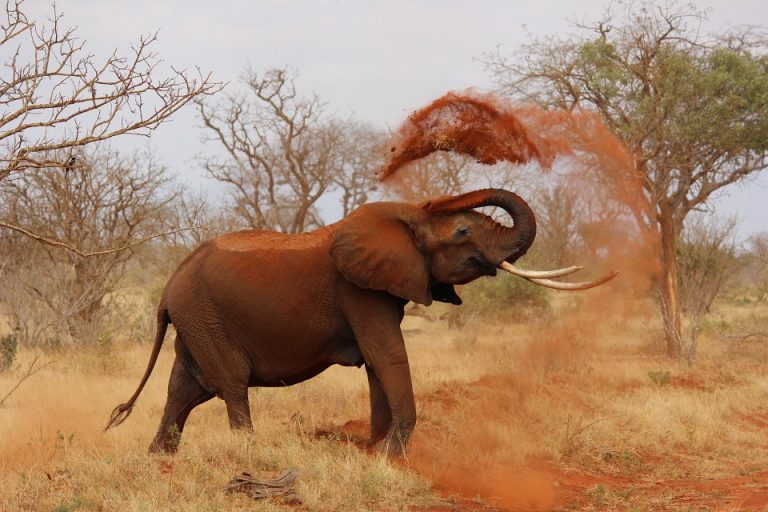
Botswana Poaching Spree Sees 90 Elephants Killed in Two Months
Ninety elephant carcasses have been found in Botswana with their tusks hacked off, in what is believed to be one of Africa’s worst mass poaching sprees. Most of the animals killed were large bulls carrying heavy tusks, Elephants Without Borders…

Burberry Vows to Stop Burning Unsold Clothes and Using Real Fur
Burberry has confirmed it will no longer destroy fashion items it cannot sell. The British company has officially vowed to stop its long-standing practice of burning clothes and bags that remain unsold at the end of the year. The company…
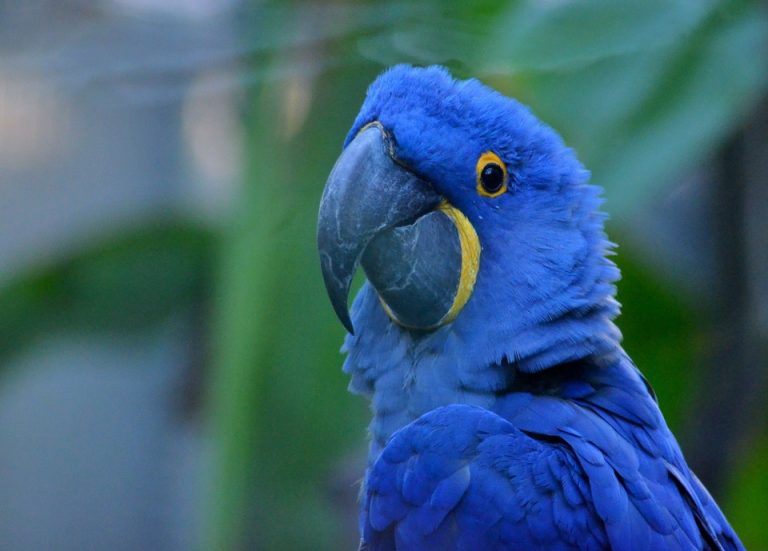
Deforestation in South America Causes Extinction of 8 Bird Species
The Spix’s Macaw, a bird many would recognize as the star of the animated film Rio, is officially extinct. The macaw has been listed among eight bird species that have gone extinct in South America in the last decade in…

World Bank Launches Bond Series to Raise Awareness About Water and Ocean Resources
The World Bank launched the first in a series of bonds designed to raise awareness about the importance of ocean and water resources, the organization announced last Thursday. The series was announced in conjunction with World Water Week, which took…
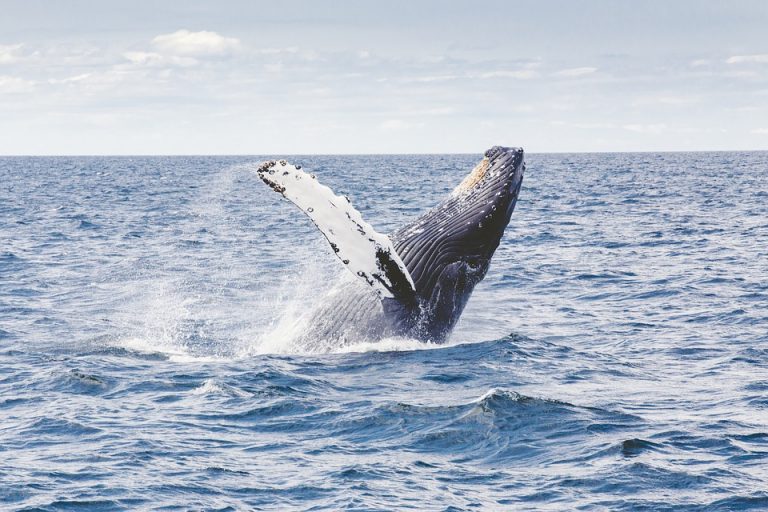
Japan Killed 50 Whales in Antarctic Protected Area, Data Shows
Japanese whalers have killed more than 50 minke whales in an Antarctic marine protection area this year, WWF has revealed. The disclosure comes on the opening day of the International Whaling Commission’s annual meeting in Brazil, which Japan is chairing…

Look Out, Meat Industry – Flexitarianism Is on the Rise
With all of the meatless options on the market, it’s not surprising that flexitarianism is on the rise. Unlike vegetarians, who completely exclude meat from their diet, flexitarians simply cut down on how much meat they eat on a weekly…
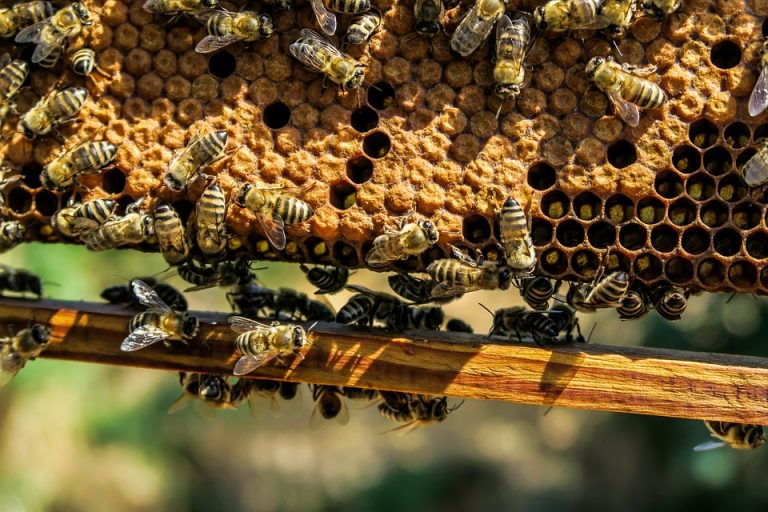
Bees Addicted to Pesticides Much like Smokers to Nicotine, Scientists Say
Bees have developed a likening to pesticide-containing plants, according to a recent study. The affinity exhibited by the bees is similar to an addiction to nicotine from cigarettes. Apparently, the more pesticide-laced pollen that the bees ingest, the more they…