



Newsletter Subscribe
Enter your email address below and subscribe to our newsletter


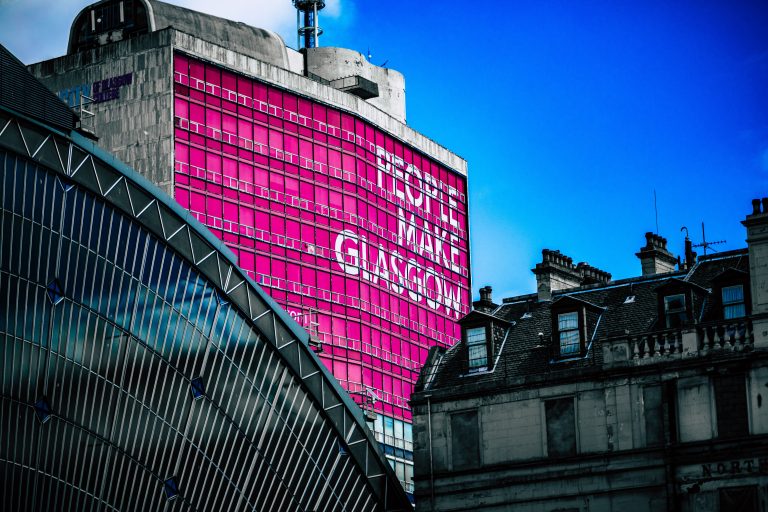
Glasgow City Council has announced its ambitious plan become the first circular city in Scotland. Its Circular Economy Route Map will focus on cutting food waste and engage with universities and colleges to embed circular design principles in textile design…
A green group has called for Pringles packaging to be made fully recyclable. Pringles packaging needs to be redesigned to be fully recyclable and more environmentally friendly. That’s the verdict from the Recycling Association, which says Kellogg’s scheme allowing containers to be…
From 2020, lotions containing any of 10 chemicals linked to coral bleaching will be outlawed. The tiny Pacific island nation of Palau will ban “reef-toxic” sunscreens from 2020 in what it claims is a world-first initiative to stop chemical pollution killing its…
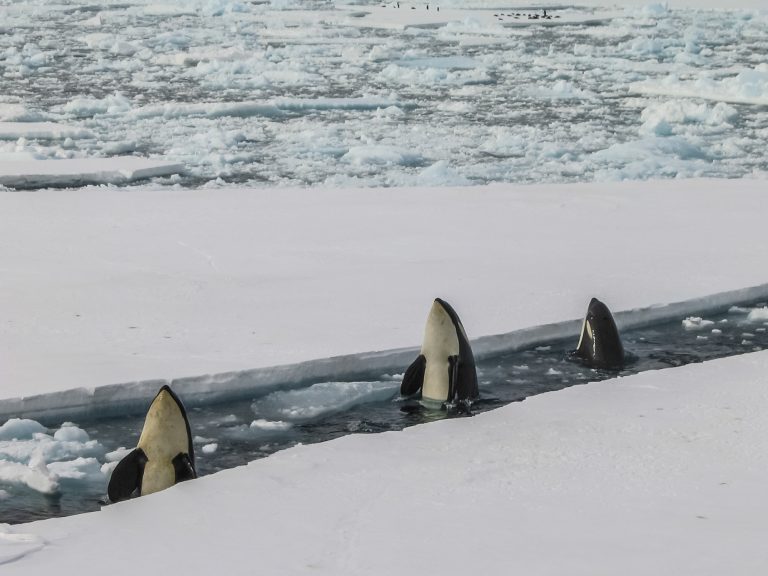
With only 74 remaining in the wild, time is running out to save southern resident killer whales, especially after two died this summer. This week, the Canadian government announced a slew of measures to save the critically endangered species. The…
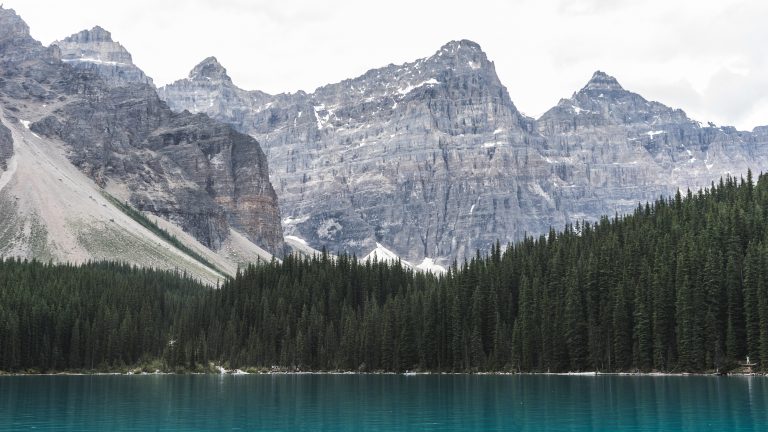
Just five countries hold 70% of the world’s remaining untouched wilderness areas and urgent international action is needed to protect them, according to new research. Researchers from the University of Queensland (UQ) and the Wildlife Conservation Society (WCS) have for…
Poisonous air estimated to cause premature deaths of 7 million people a year worldwide. In addition to having a deadly impact on people’s physical health, air pollution is now also believed to be responsible for a profound reduction in intelligence, a new…
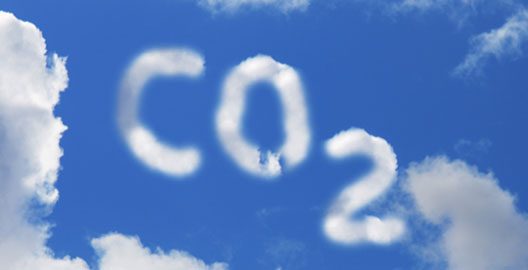
A new study shows these nations’ domestic policies do not live up to their nationally determined contributions. Only 16 countries have domestic greenhouse gas reduction targets clearly matching their Paris Agreement commitments. That’s according to a new analysis from the Grantham…