



Newsletter Subscribe
Enter your email address below and subscribe to our newsletter


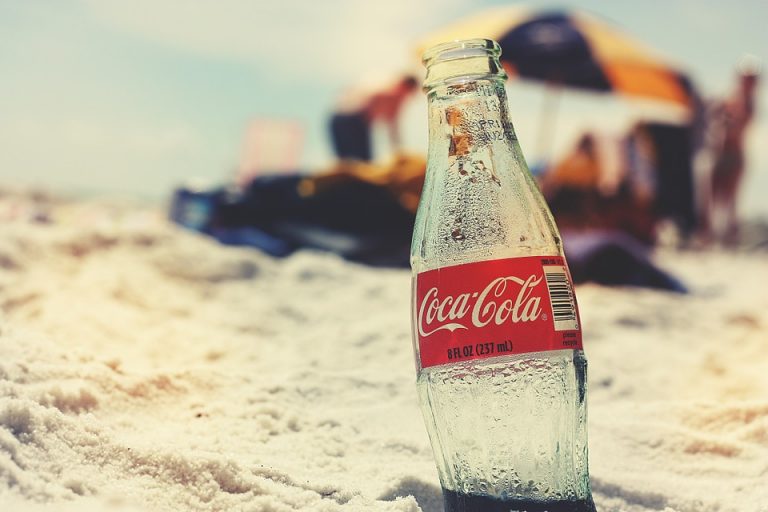
A lack of drinking water and a surplus of Coca-Cola are causing a public health crisis in the Mexican town of San Cristóbal de las Casas, The New York Times reported Saturday. Some neighborhoods in the town only get running…

Ma Earth is paying through its nose for the clothing we produce, according to a study that quantifies, for the first time, the price we exact from the ecosystem for our clothing. Case in point? Factoring in the use of…
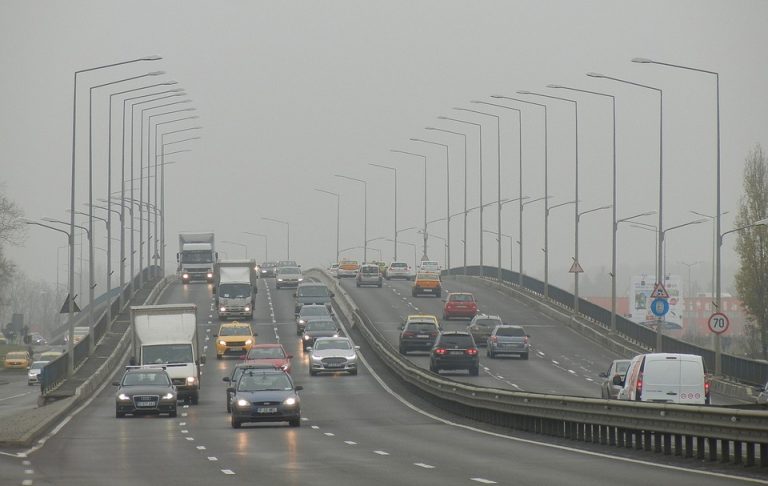
A record number of people are dying of asthma, and experts have warned growing air pollution and a lack of basic care could be to blame. In England and Wales 1,320 people died of asthma last year, a sharp rise…
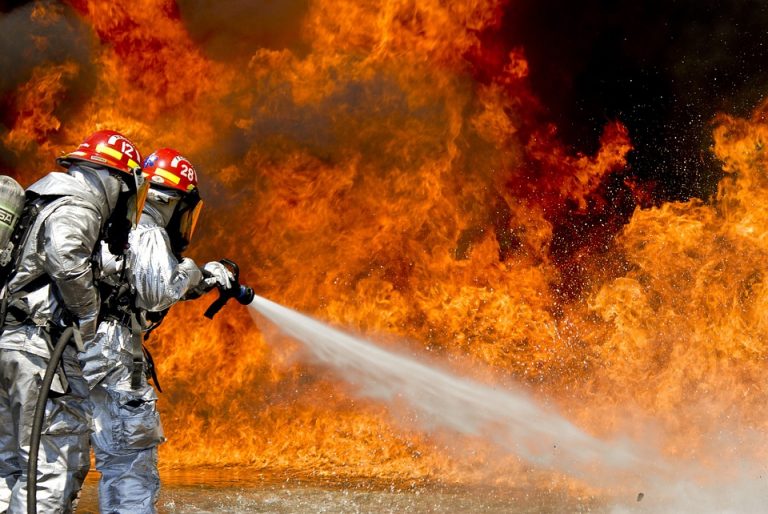
There are currently 11 wildfires blazing in the Arctic circle, The Guardian reported Wednesday. While fires are also raging in Russia, Norway and Finland, Sweden has seen the most extensive Arctic fires, which have forced four communities to evacuate, according…

Adidas has long been committed to the fight against single-use plastics. Since 2015, it has partnered with Parley for the Oceans to respond to the plastic pollution crisis threatening marine life. In June, Adidas CEO Kasper Rorsted announced the company…

The largest meat and dairy producers could surpass major oil companies as the largest contributors to environmental pollution. That’s according to a new report from the Institute for Agriculture and Trade Policy (IATP) and non-profit GRAIN, which says the five…

Sea level rise may be coming for your Internet. The first ever study to look at the impact of climate change on the Internet found that more than 4,000 miles of fiber optic cable in U.S. coastal regions will be…