


Newsletter Subscribe
Enter your email address below and subscribe to our newsletter


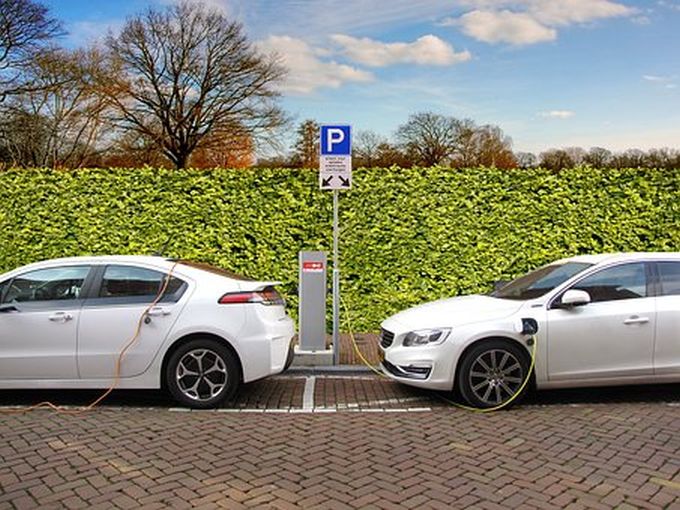
Carlos Alvarado Quesada, the president-elect of Costa Rica, plans to continue the country’s extraordinary stewardship of the environment with a pledge to decarbonize its transportation sector. On Sunday, he promised that one day Costa Rica will “celebrate its emancipation from…
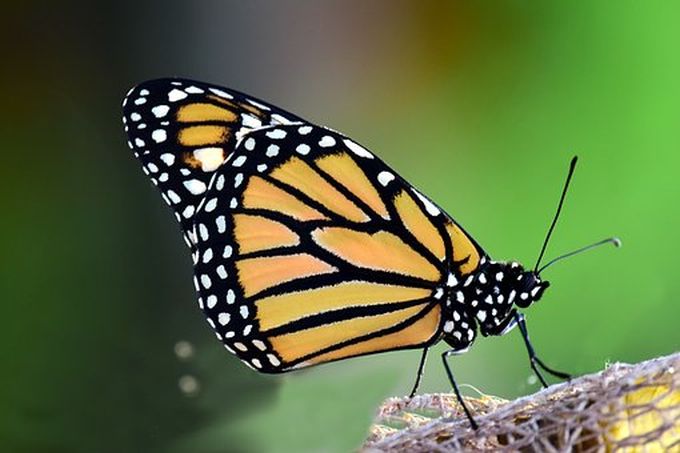
Monarch butterflies are already in danger. Their numbers have decreased by 80 percent in the past 20 years, and this year’s count of the number of the black-and-orange butterflies wintering in Mexico was lower than 2017’s. Now, researched reported Tuesday…
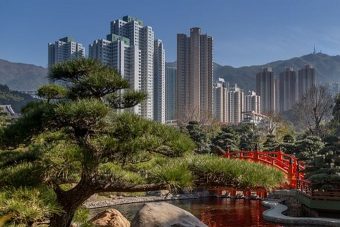
The US EPA is pursuing a rollback of earlier plans (implemented under Obama’s presidency) to raise the new-vehicle fuel-efficiency standard to nearly 50 miles per gallon by 2025 (that would be a fleet-level requirement, not model level). In response to…

As of 2016, New Delhi was the 11th most polluted city in the world, which was a positive development compared to 2014, when it had the dubious honor of being number one, according to World Health Organization (WHO) data reported…
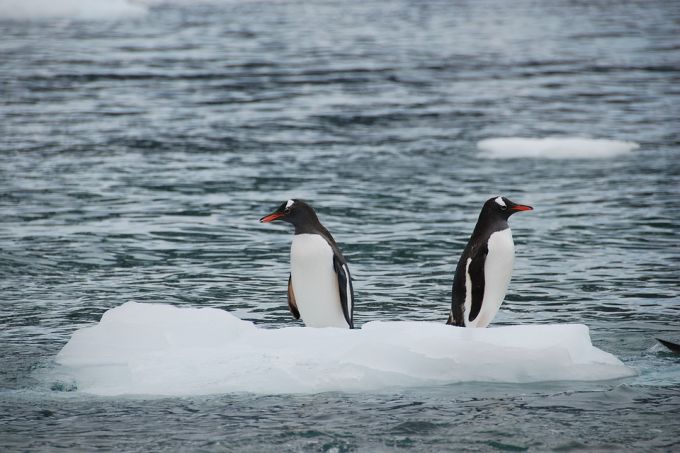
Antarctica’s ice sheet is retreating due to warm ocean water circulating beneath its floating edge, researchers from the UK Centre for Polar Observation and Modelling at the University of Leeds have found. The study, published in Nature Geoscience, shows that…
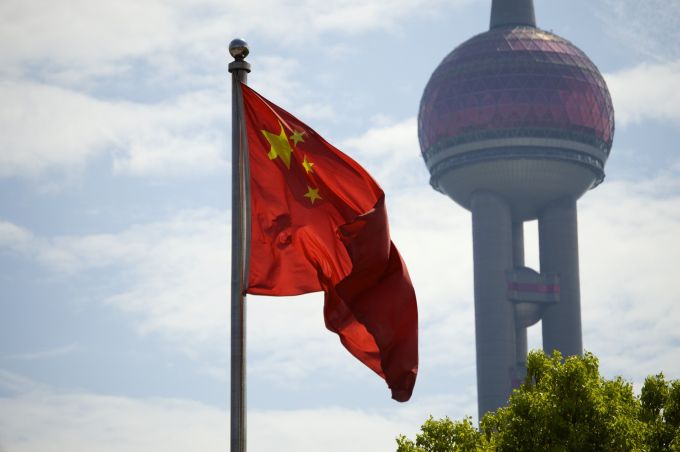
China’s Green Building Council has officially partnered with the World Green Building Council in a major boost to international efforts to curb the environmental impact of the building and construction sectors, the two organisations announced yesterday. The partnership was hailed…
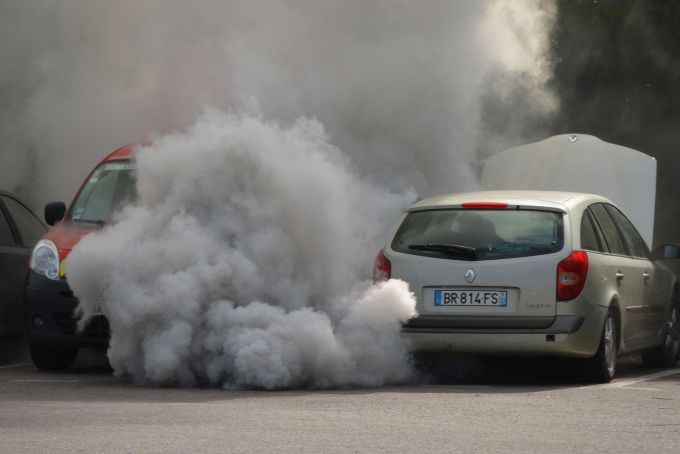
Scott Pruitt, the head of the US Environment Protection Agency (EPA), has revealed plans to roll back emissions standards for vehicles in a move that could impact the country’s transport emissions for decades to come. In a statement released yesterday…