


Ecology
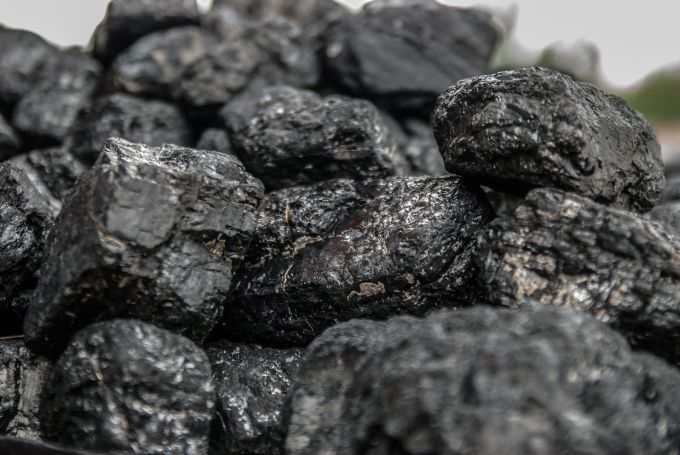
Coal Has Been Largely Banned In China’s Taiyuan (Capital Of Shanxi)
The capital city of China’s Shanxi province, Taiyuan, has now largely banned the sale, use, and transport of coal in a bid to reduce local air pollution problems, according to the country’s state news agency, Xinhua. The word “largely” was…

London Considers Banning Wood-Burning Stoves to Tackle Air Pollution
Wood-burning stoves could be producing up to one third of London’s fine particle pollution, according to figures cited by the city’s mayor, Sadiq Khan. A ban on the stoves could help address the air pollution plaguing the capital; last week,…
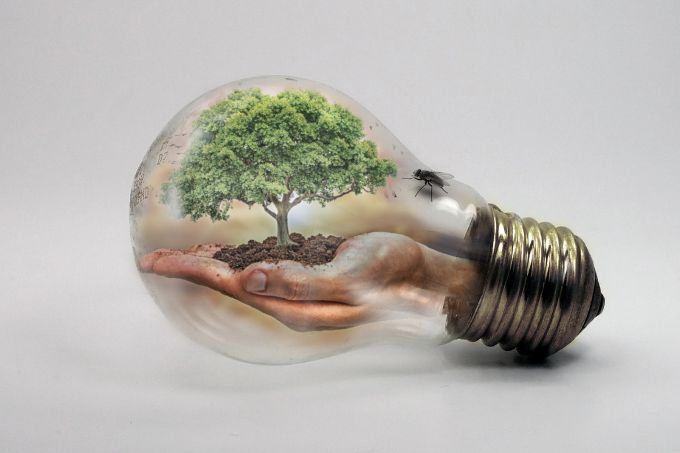
Global Carbon Emissions Stood Still in 2016, Offering Climate Hope
The new data is a welcome sign of progress in the battle against global warming but many challenges remain, including methane from cattle. Global emissions of climate-warming carbon dioxide remained static in 2016, a welcome sign that the world is…
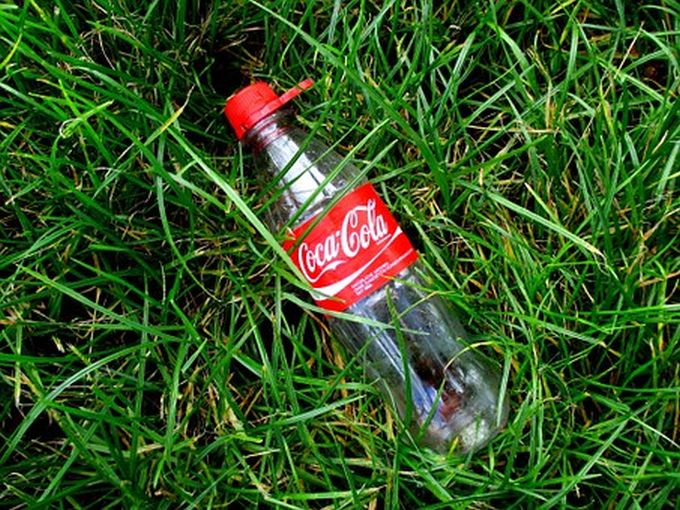
Coca-Cola Increased its Plastic Bottle Production by a Billion in 2016
Coca-Cola increased its global production of single-use, throwaway plastic bottles by one billion in 2016, according to Greenpeace. Although the beverage behemoth does not publicly disclose its production numbers, an analysis by Greenpeace suggests a massive increase in output of…
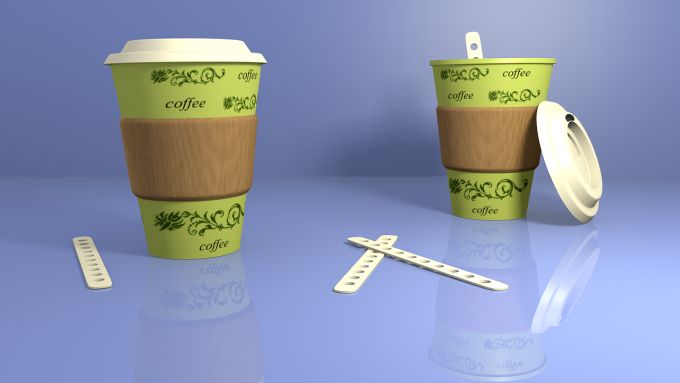
Lush Brews Up Recycled Coffee Cup Packaging Breakthrough
The UK’s High Street coffee chains may be under fire over the billions of single use coffee cups they produce each year, the vast majority of which are not recycled. But they could be about to get a helping hand…
BNP Paribas Launches €100m Green Bond, as Sector Confirms Record 2017 Performance
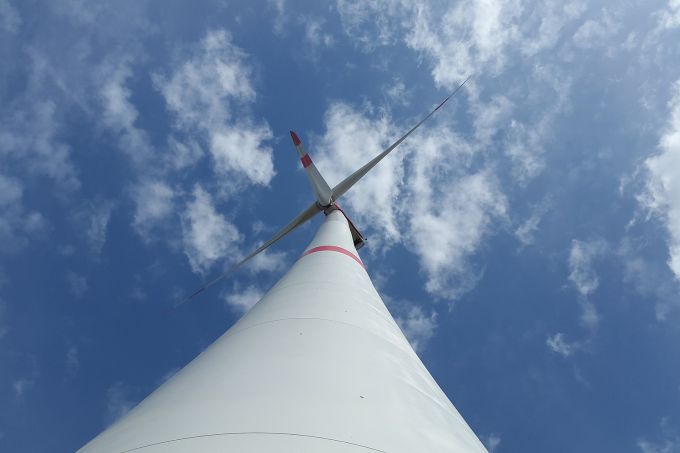
BNP Paribas Asset Management has this week launched a new €100m green bond focused on mitigating or addressing climate-related issues. The news came just days after the Climate Bonds Initiative (CBI) confirmed that the record 2016 green bonds total of…
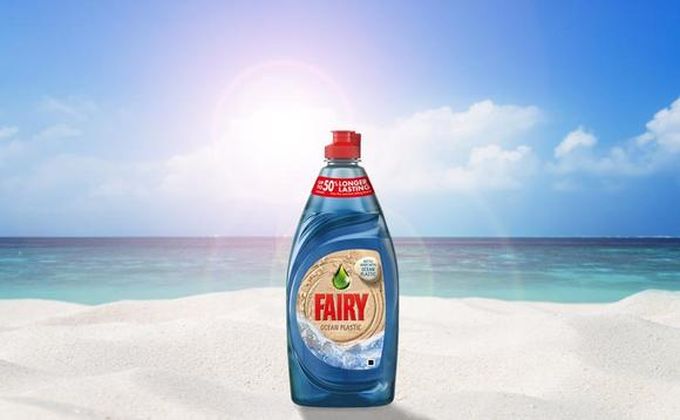
Procter & Gamble Plans to Help Wash Away Plastic Pollution with New Fairy Liquid Bottle
Washing up liquid brand Fairy Liquid is hoping to clean up the world’s oceans with the unveiling today of its new recycled plastic bottle, made with 10 per cent ocean plastic. The Fairy Oceans Plastic Bottles, developed in partnership with…