



Newsletter Subscribe
Enter your email address below and subscribe to our newsletter


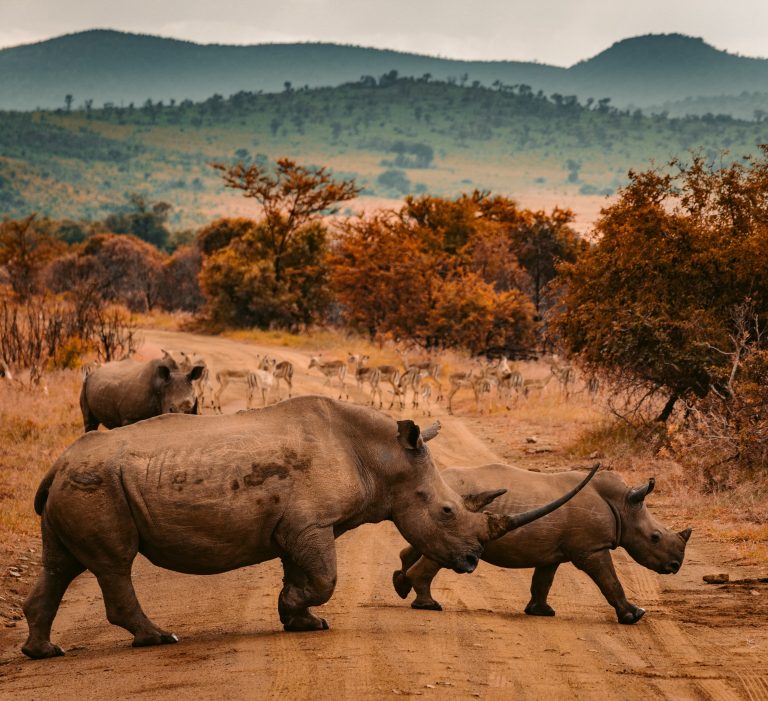
Overall rhino poaching rates have declined since 2018, and trade data suggests the lowest annual estimate of rhino horns entering illegal trade markets since 2013, according to a new report by the IUCN SSC African and Asian Rhino Specialist Groups…
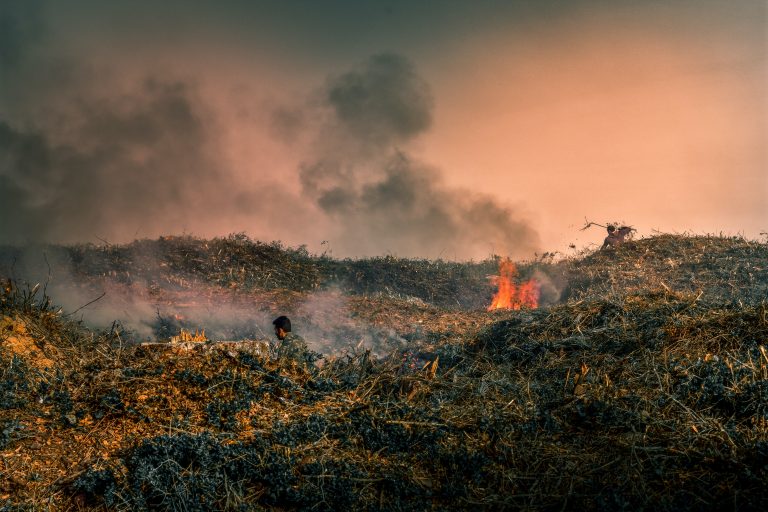
Forest fires supercharged by climate change are burning twice as much global tree cover as 20 years ago, according to data published on Wednesday (17 August) showing the equivalent of 16 football pitches are now lost every minute. The research showed…

Is it better for the environment if you buy a brand-new cotton T-shirt or a recycled one? Well, it depends. Recycling has apparent benefits, but the process shortens cotton fibres and so usually has to be mixed with some oil-based…

The Po, Italy’s longest river, has been a vital transport hub throughout history helping the north of the country develop into an industrial powerhouse. But “the king of rivers” is now drying up because of periods of severe drought. Experts…
Crimes against nature and the environment are the fourth most lucrative activity of organized crime in the world, after human, drugs and weapon trafficking. The cost of crimes against nature and the environment sum up to 258 billion dollars a…

Young people bear a disproportionate burden of the environmental crises the world faces today, which will impact their future. Research shows that many young people feel frustrated and unheard, creating a sense of unfairness that has, in recent years, fueled…

The tiger (Panthera tigris) is the largest wild cat species in the world, and is listed as Endangered under the IUCN Red List in 2011. The tiger is also protected under the Convention on International Trade in Endangered Species of…