

Newsletter Subscribe
Enter your email address below and subscribe to our newsletter


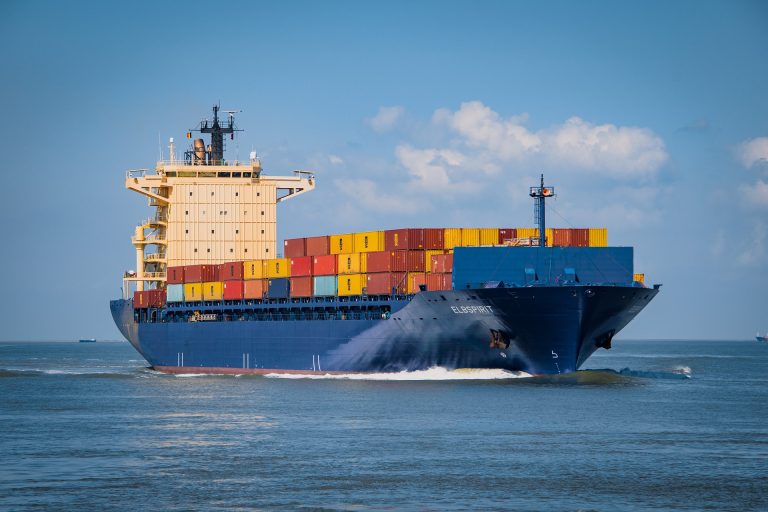
In the most recent Helsinki Commission (HELCOM) assessment (2011-2016), all the Baltic Sea basins failed to reach good environmental status as defined by the EU Maritime Strategy Framework Directive. HELCOM offers data on various heavy metals reaching the Baltic, from…
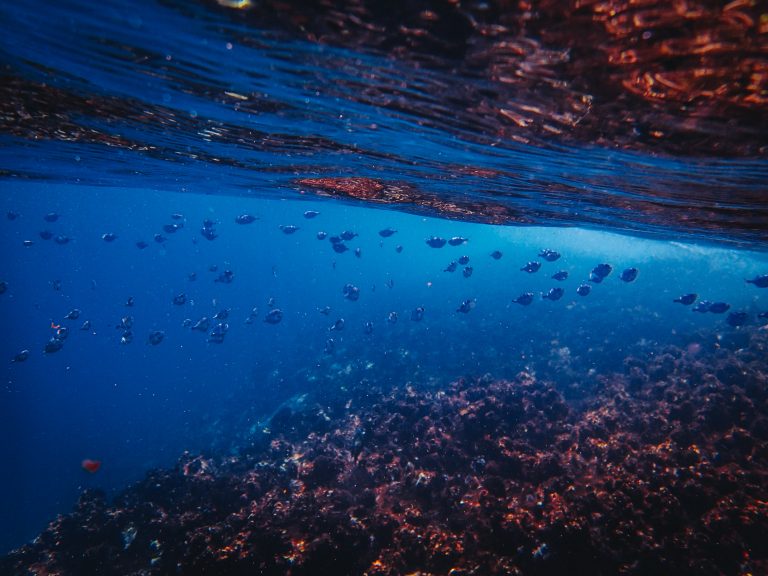
The ocean can provide vast opportunities for developing countries to build more innovative and resilient economies, but climate change, pollution and overfishing threaten the livelihoods of some three billion people who rely on it for food and income. That’s according…
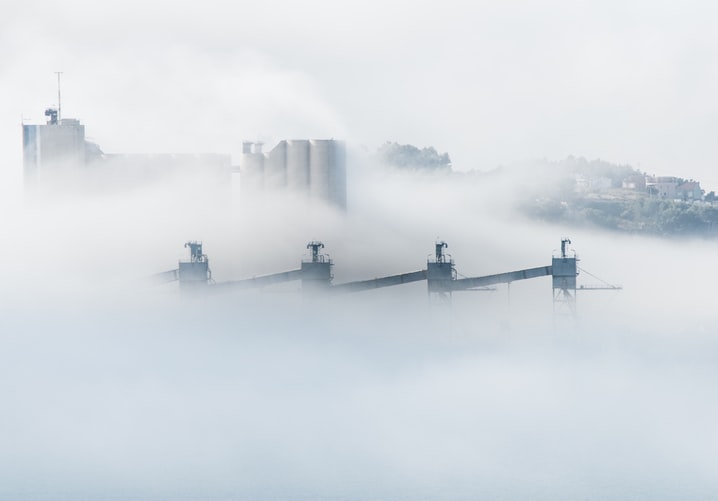
Support for a proposed new global greenhouse gas monitoring infrastructure is spreading beyond WMO Members and partners to the private sector and wider diplomatic world. The WMO Global Greenhouse Gas Watch (G3W) will combine ground-based stations, satellite measurements with modeling…
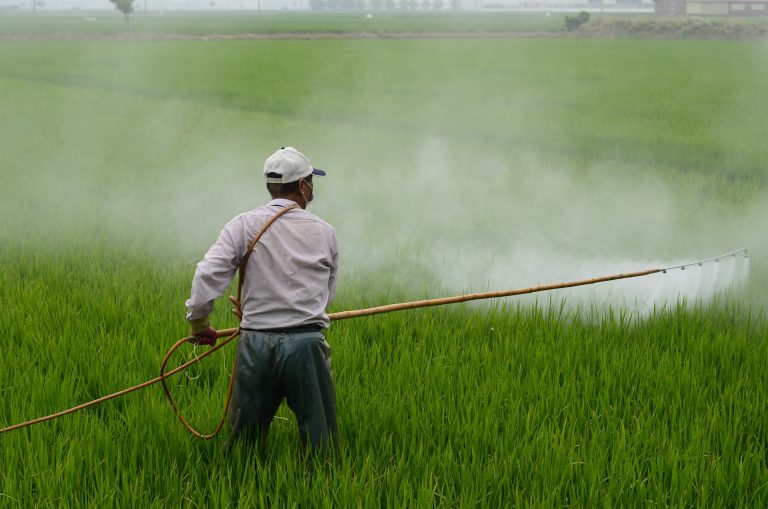
Widespread pesticide use is major source of pollution — contaminating water, soil and air, driving biodiversity loss and leading to pest resistance. Human exposure to chemical pesticides is linked to chronic illnesses, such as cancer, and heart, respiratory and neurological…

NRDC (Natural Resources Defense Council), World Wildlife Fund (WWF), the Harvard Law School Food Law and Policy Clinic (FLPC), and ReFED have partnered to launch the Zero Food Waste Coalition, a national effort focused on informing and influencing policy at…
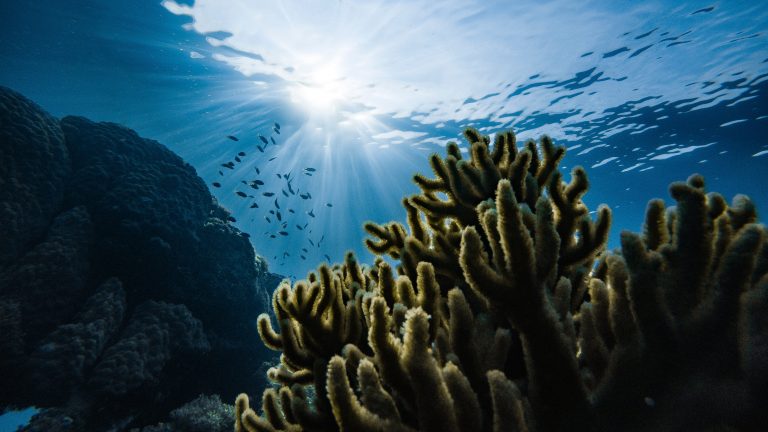
In recent years, fishing communities in Madagascar have seen their catches dwindle, a byproduct of chronic overfishing, especially in sensitive coastal habitats like seagrass meadows. But in some communities, fish stocks have started to rebound, thanks in part to the…
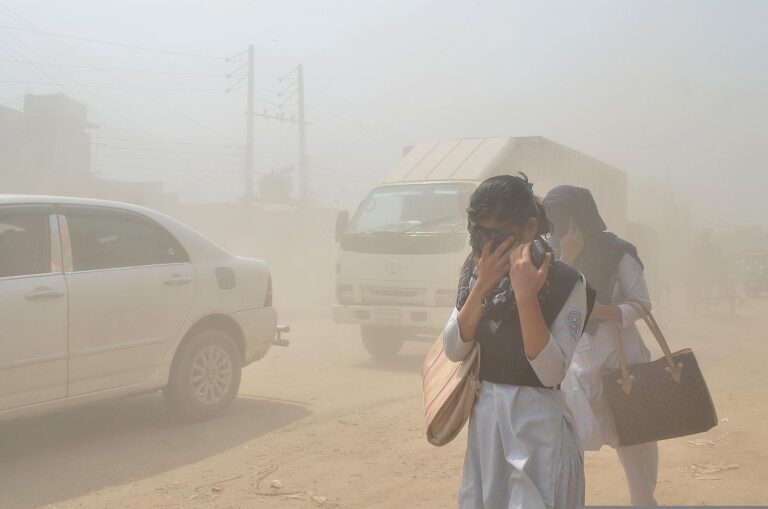
While emissions of key air pollutants have declined over recent decades, air pollution levels in Europe are still not safe. Children and adolescents are particularly vulnerable to air pollution because their bodies, organs and immune systems are still developing. Air…