

Newsletter Subscribe
Enter your email address below and subscribe to our newsletter

2023 saw the highest ever increase in renewable energy jobs, from 13.7 million in 2022 to 16.2 million, according to the newly released Renewable Energy and Jobs – Annual Review 2024 by the International Renewable Energy Agency (IRENA) and the…

On the second day of the OIE Serbia 2024 conference, several panels were held, the first of which was titled Challenges in Financing and Insuring Renewable Energy Projects. During the panel discussion, experts, including bankers and lawyers, discussed the financial…
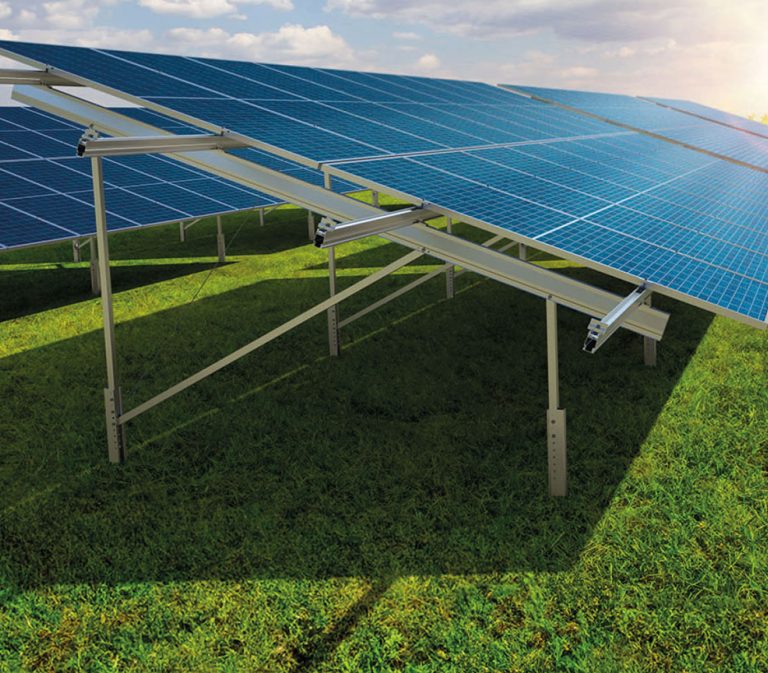
Ground-mounted photovoltaic systems offer a decisive advantage: they often achieve a higher output per area than roof-mounted systems. So it’s no wonder that these PV solutions are becoming increasingly popular. This was recently the case in Senta, near the Serbian-Hungarian…
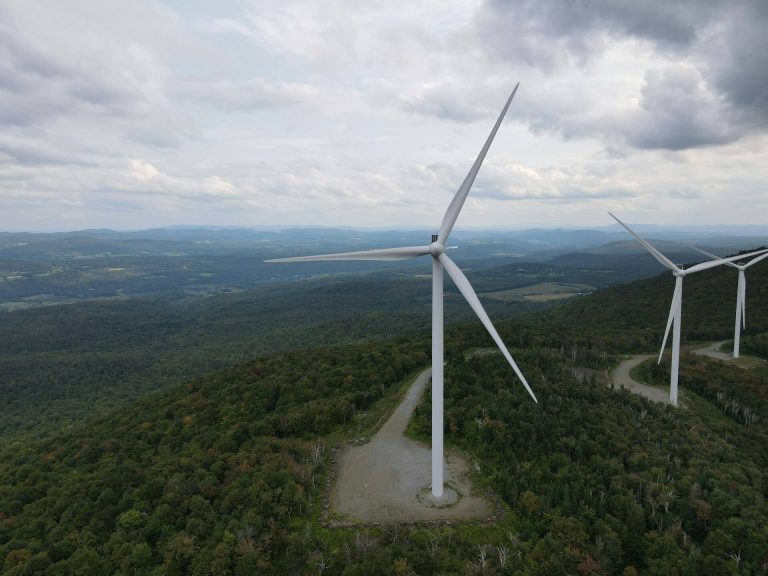
In the first half (H1) of 2024 Europe added 6.4 GW of new wind energy capacity: 5.3 GW onshore and 1.1 GW offshore. The EU-27 built 5.7 GW of this: 4.7 GW onshore and 1 GW offshore. Germany built the…
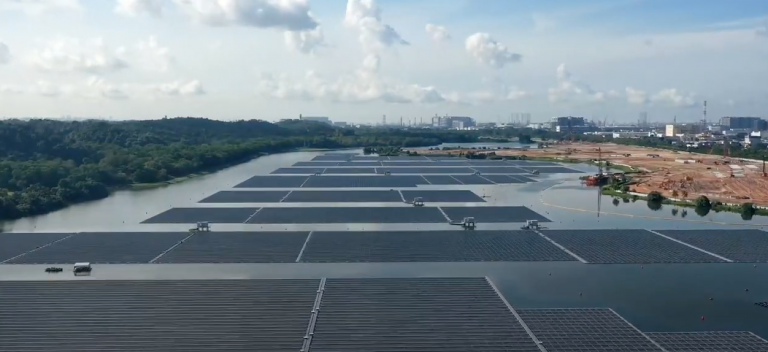
The trend of increasing solar power capacity is expanding to water surfaces, and one of the largest such projects in Europe is being built in northwestern France. After the project faced financing challenges, construction is now secured through a loan.…
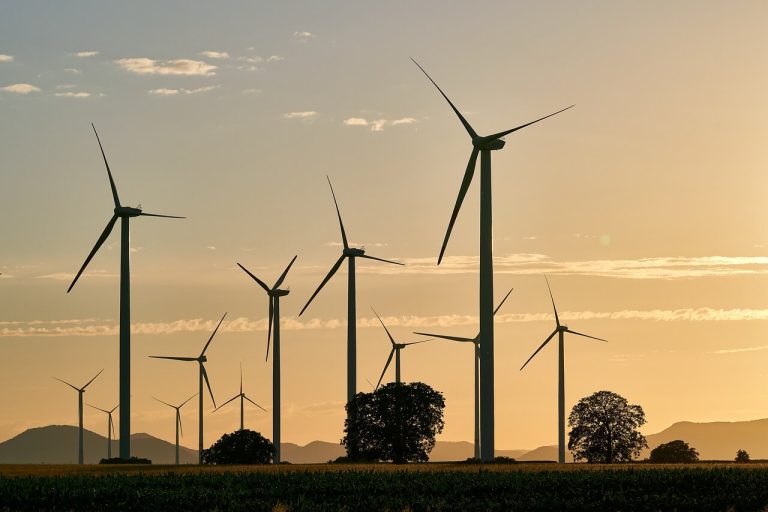
In the first half of 2024, Germany produced and delivered 220 billion kilowatt-hours of electricity to the grid, which is 5.3 percent less than in the first half of 2023, according to preliminary data from the Federal Statistical Office (Destatis).…
Renewable energy sources like solar are volatile, meaning there is not enough energy production to meet demand when the sun doesn’t shine. However, when the sun does shine, solar panels can feed so much electricity into the grid that the…