

Newsletter Subscribe
Enter your email address below and subscribe to our newsletter


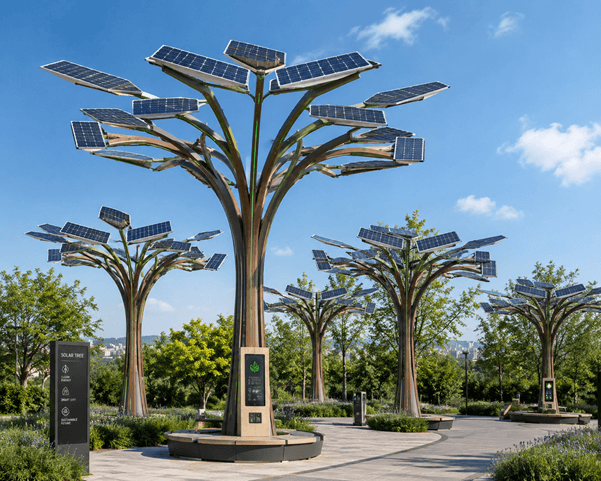
It is well known that answers to many questions can often be found in nature. Have you ever heard that there are natural solar systems that can serve as examples of efficient use of sunlight? Recently, researchers from Yale University…
The International Renewable Energy Agency (IRENA) has pointed out that reaching over 11 Terawatts of installed renewables capacity as set at COP28 would necessitate overcoming identified structural barriers. One of those barriers is related to the evolving energy transitions needs…
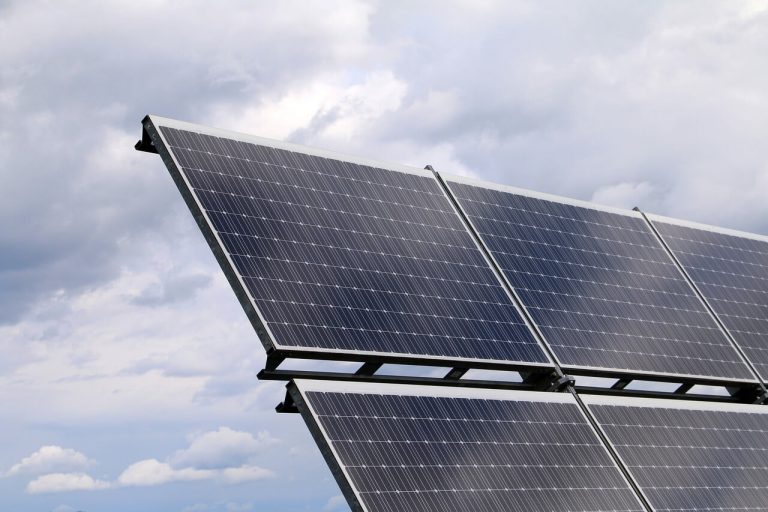
Germany is making significant progress in developing renewable energy sources. The German Federal Statistical Office—Statistisches Bundesamt—confirmed this by providing data on solar energy capacity. As reported, in April 2024, about 3.4 million solar systems were installed on rooftops and parcels…

Development finance institutions (DFIs) account for only around 1 percent of total financing for energy sector investment, but their importance goes well beyond this relatively small share. DFIs are specialised financial institutions set up to support a range of economic…

Brazil is a frontrunner in clean energy transitions: among the world’s largest economies, it boasts the lowest share of fossil fuels in its energy mix. Holding the G20 Presidency in 2024, Brazil has an opportunity to lead the global energy…
On 30 June all 27 Member States were due to submit the final version of their National Energy and Climate Plans (NECPs). This comes after the European Commission had reviewed their draft plans. The NECPs outline the national strategies countries…
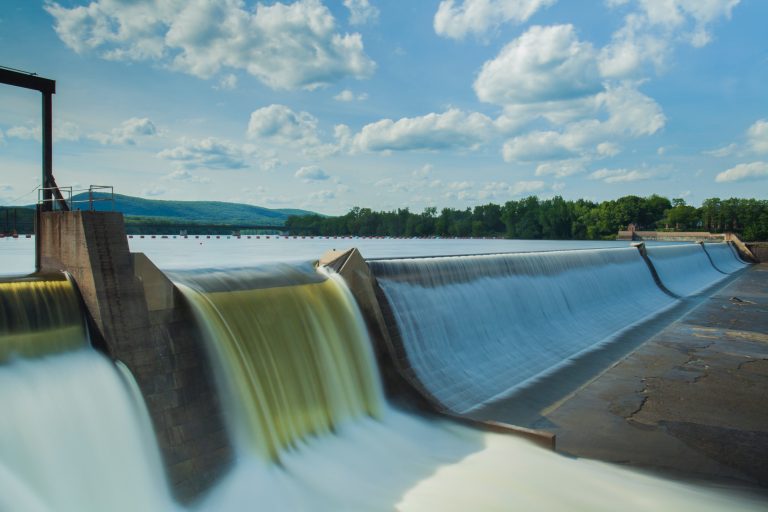
The Renewable Energy Statistics 2024 released by the International Renewable Energy Agency (IRENA) today shows that despite renewables becoming the fastest-growing source of power, the world risks missing the tripling renewables target pledged at COP28. To stay the course, the…