




Mobility
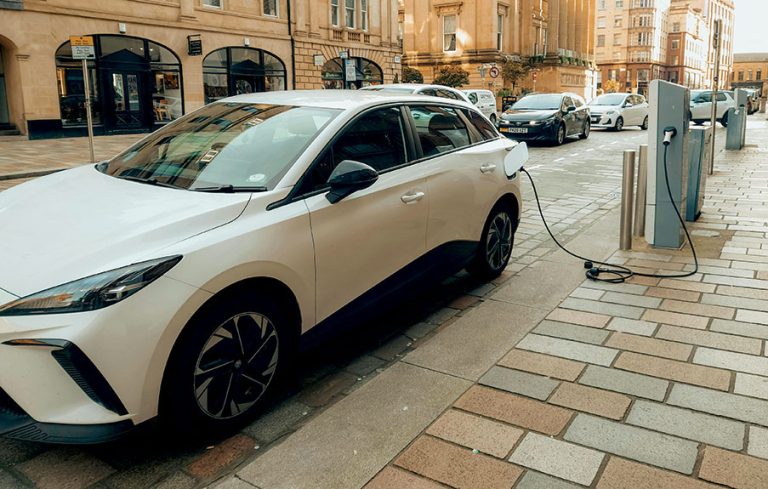
New Tests Reveal Gap Between Advertised and Actual Range of Electric Vehicles
The Australian Automobile Association (AAA) has released the results of testing five electric vehicles in real driving conditions, showing that their range is between five and 23 percent shorter than recorded in the manufacturers’ mandatory laboratory tests. The testing, carried…
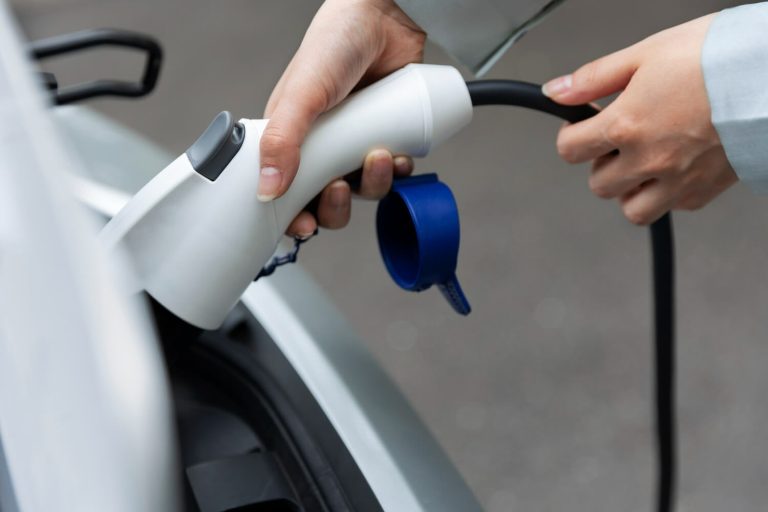
New car registrations: -1.9 percent in H1 2025; battery-electric 15.6 percent market share
With a strong 7.3 percent year-on-year (YOY) decline for June, also indicative of the challenging global economic environment for auto makers. The battery-electric car market share for H1 2025 stood at 15.6 percent, still far from where it needs to…

How Shippers Can Drive the Transition to Zero-Emission Trucking
Large companies are the largest buyers of road freight. As part of its Decarbonise Corporate Fleets initiative, the European Commission should set zero-emission (ZE) procurement targets on large shippers, rather than truck operators. Large companies (>250 employees and >50 million…
While One-Fifth of Steel Scrap Is Exported from the EU, the Automotive Industry Uses Only Six Percent
The European automotive industry, the second-largest steel consumer in the EU, faces a familiar challenge — how to transition from traditional, high-emission production to a circular model. Although steel is almost entirely recyclable, recycled steel currently makes up only six…
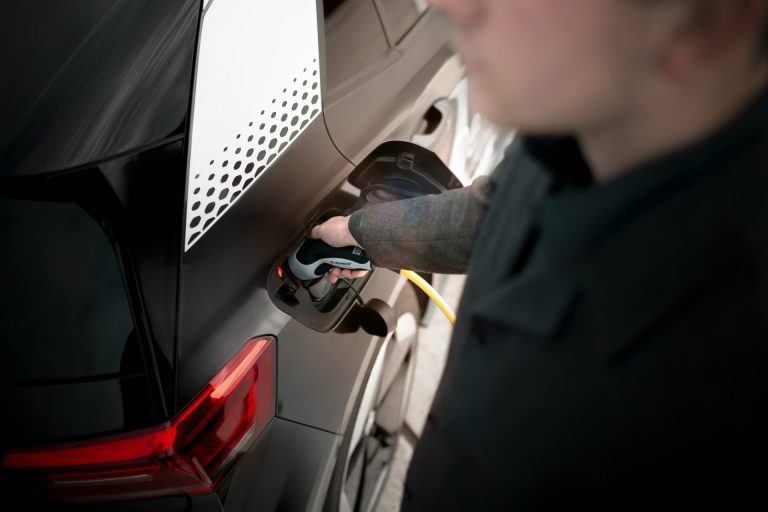
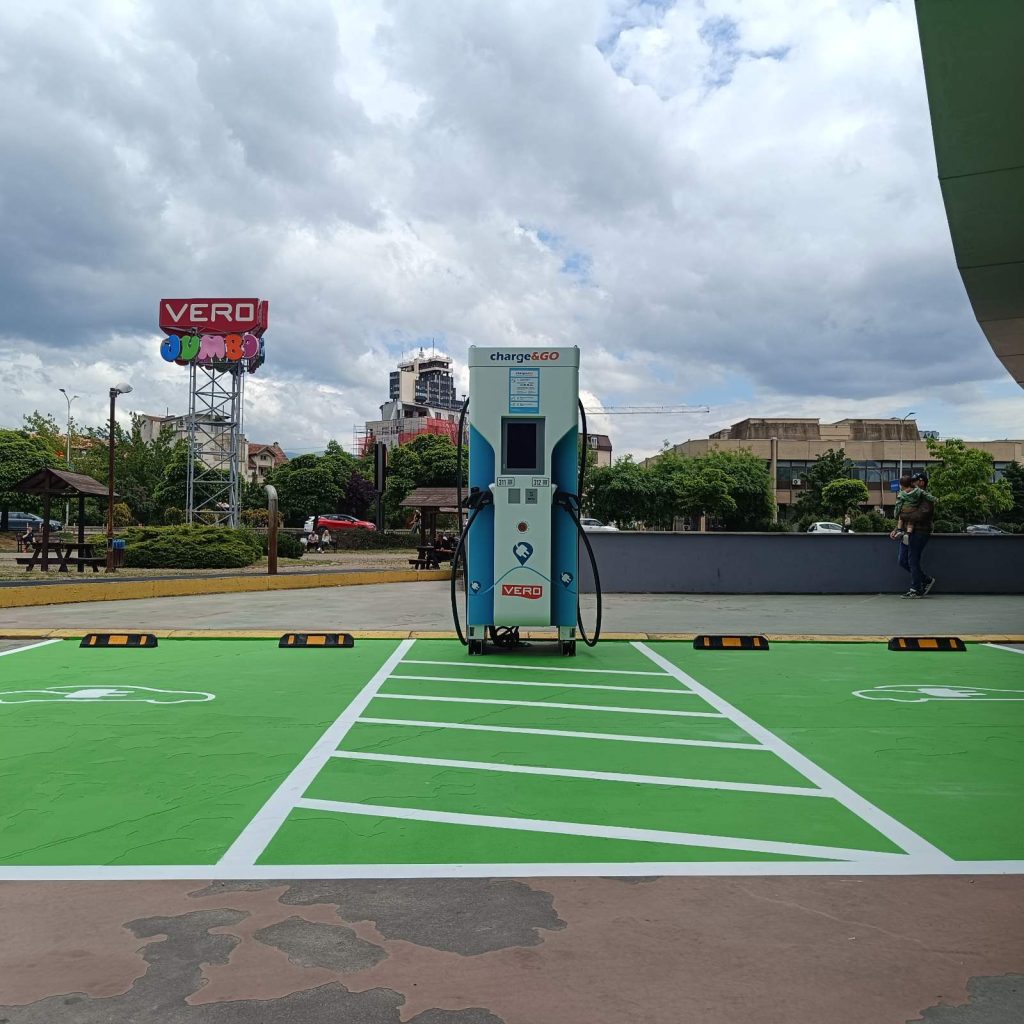
The Baltics to Gain up to 600 New EV Charging Stations by 2027
Across the Baltic region, up to 600 electric vehicle (EV) charging stations are planned to be built by the end of 2027. Given that this region currently lags behind the European Union average in terms of electromobility infrastructure, the project…
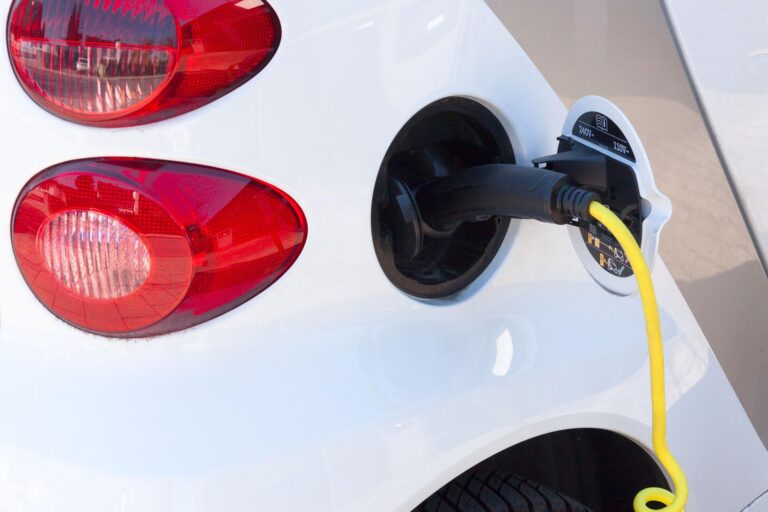
Social Leasing of Electric Vehicles – A Potential Solution for Three Million Low-Income Households in the EU
Up to three million low- and middle-income households in the five largest European countries could switch to electric vehicles by 2032 through a “social leasing” model, according to a new analysis by the organization Transport & Environment (T&E). This scheme,…

How to defuse the EU’s carbon tax time bomb
Energy costs and taxes are political dynamite, easily exploited by populist parties. And yet, the EU is set to introduce an economy-wide carbon price (ETS2) on transport and heating fuels in 2027. Carbon pricing for petrol and gas is not…