

Newsletter Subscribe
Enter your email address below and subscribe to our newsletter

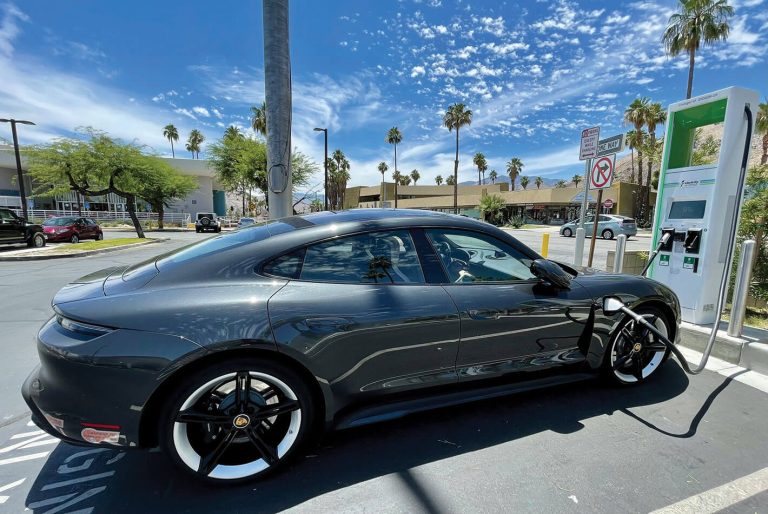
The development of electromobility in Serbia and the region has gained momentum in recent years. Progress is no longer reflected only in the growing number of electric vehicles on the roads, but also in the accelerated expansion of charging infrastructure, both public and private. According to Charge&GO, one of the pioneers in developing the electric vehicle charging network in Serbia, the market today shows clear signs of maturity and long-term growth.
An increasing number of companies are opting to electrify their vehicle fleets, accompanied by the construction of private charging networks for internal use. Companies from the logistics, delivery, trade, and service sectors are particularly active, especially those with a large number of vehicles or branches across the country. Within these systems, in addition to standard AC chargers, high-power DC chargers are increasingly being installed, enabling fast battery top-ups and maximum efficiency.
The changes we see today would have been difficult to imagine just a few years ago. While three or four years ago, interest in fast DC chargers was very limited, today they have become a key element of every serious strategy for developing electric vehicle infrastructure. A similar transformation has also taken place in public charging networks, where fast chargers are gradually taking precedence.
The reason for this also lies in the development of the automotive industry. The new generation of electric vehicles is equipped with higher-capacity batteries and systems capable of accepting significantly higher charging power. Users expect fast and simple battery top-ups during journeys, without long stops. This is why chargers with capacities of 150 kW, 180 kW, or even 240 kW are becoming the new standard at busy locations and along major transport corridors.
Drivers of electric vehicles today carefully plan their routes and choose locations that enable the most efficient charging. When there is a choice, preference is given to stations that allow shorter stops and continuation of the journey without unnecessary waiting. This approach contributes to a better user experience and further encourages the transition to electric mobility.
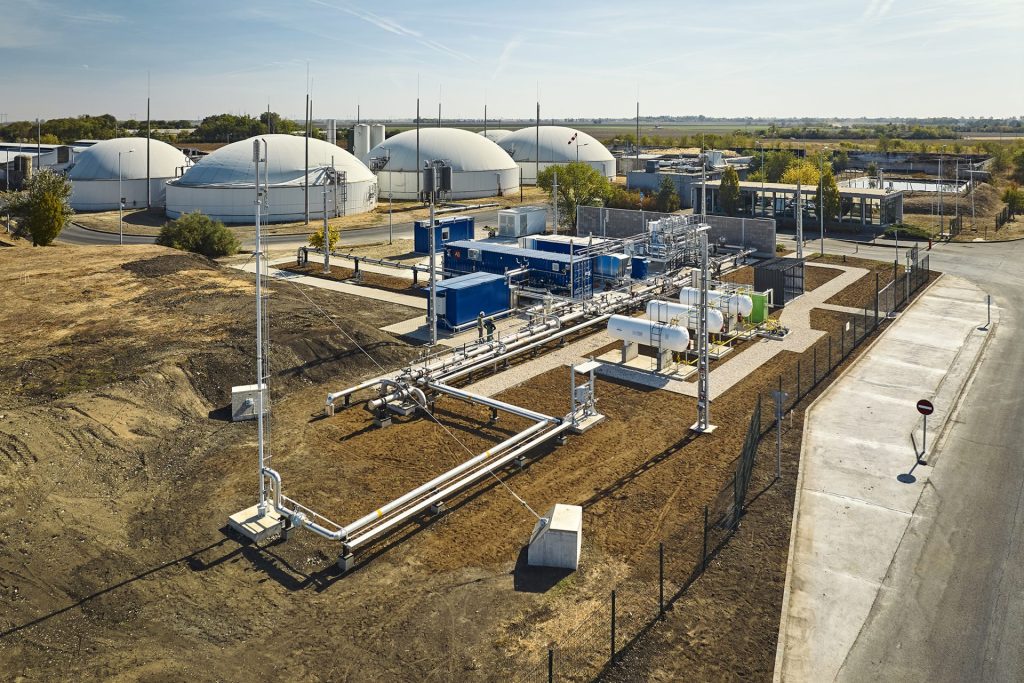
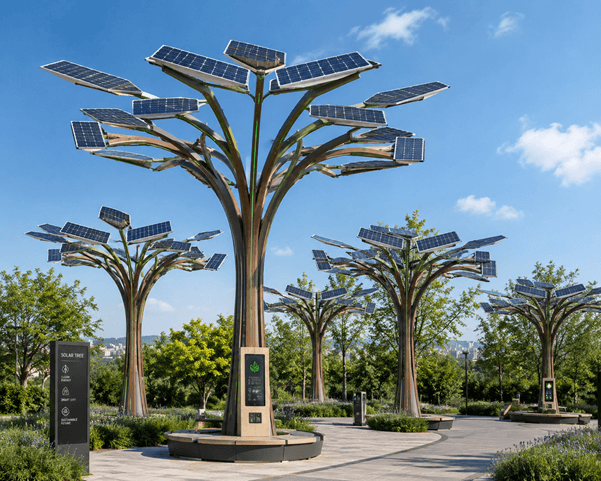
In parallel with the development of charging infrastructure, interest in battery energy storage systems is also growing. Particular attention is being drawn to hybrid systems that combine solar power plants, the electricity grid, and battery storage. Such solutions enable companies to achieve greater energy independence, better cost control, and increased stability of electricity supply.
For owners of electric vehicles and infrastructure operators, battery systems must enable the installation of higher-power chargers, even at locations where the available grid connection capacity is insufficient to supply such devices directly. This opens new opportunities for the development of the charging network without the need for costly, time-consuming expansion of connection capacity.
Positive trends are also present in the region. In North Macedonia, at least four fast chargers with a capacity of 150 kW will soon be put into operation on the motorway towards Greece, which drivers will be able to access through the domestic Charge&GO application. In the center of Skopje, the first fast charger of the same capacity is already operational. It is also available to users from Serbia, thanks to the regional interconnection of networks.
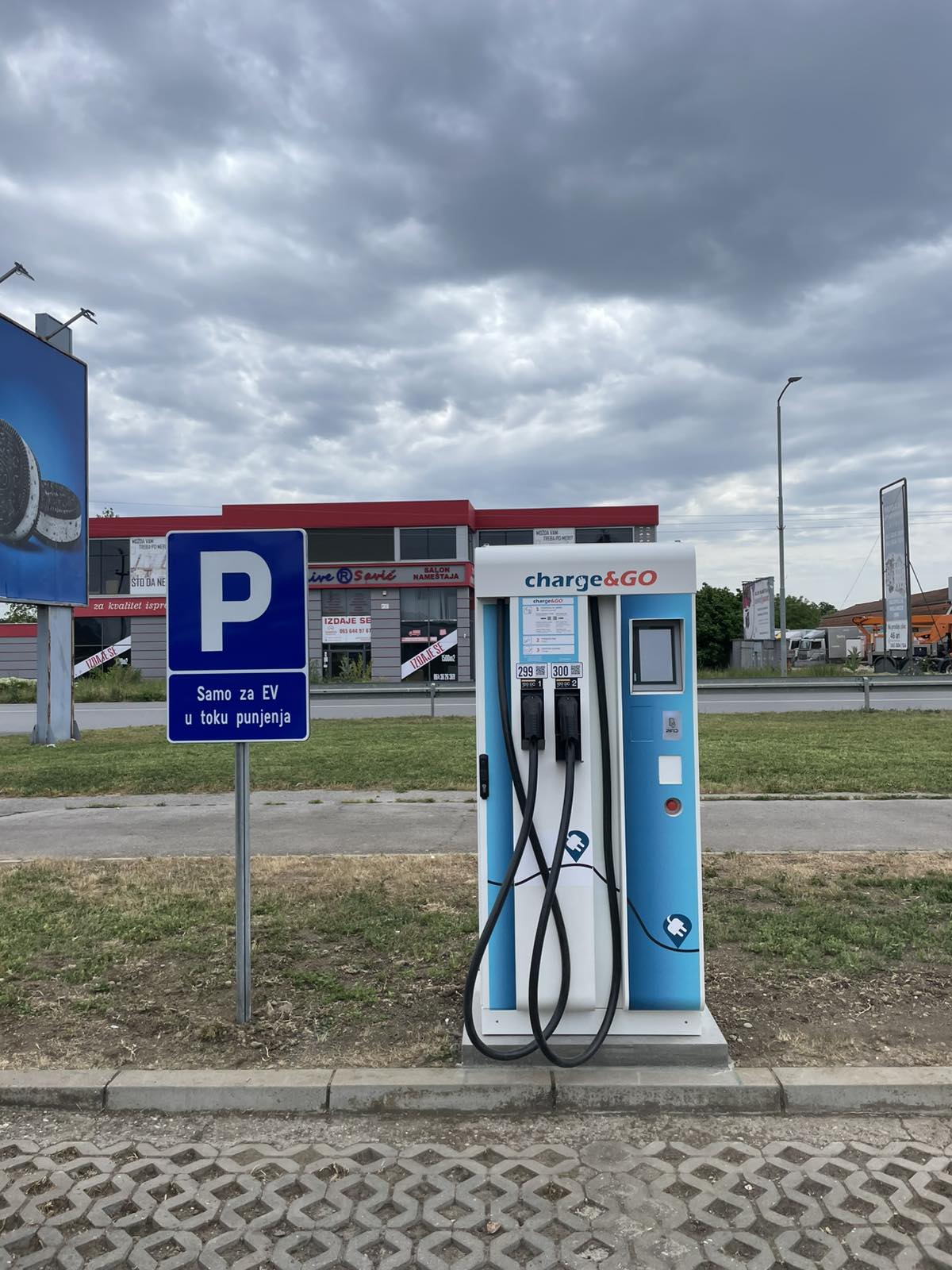
At the same time, the domestic market continues to grow. This year will bring a record expansion of the electric vehicle charging network in Serbia. Along the main transport corridors, more than 40 new fast DC chargers are being installed at petrol stations, while charging infrastructure is simultaneously being developed in cities, in line with the capacities of the electricity grid at each location.
Investments in infrastructure, the growing number of electric vehicles, and the increasing interest of companies in sustainable transport solutions indicate that electric drive will play an increasingly important role in transport in Serbia and the region in the years to come.
Responsible Use of Charging Infrastructure
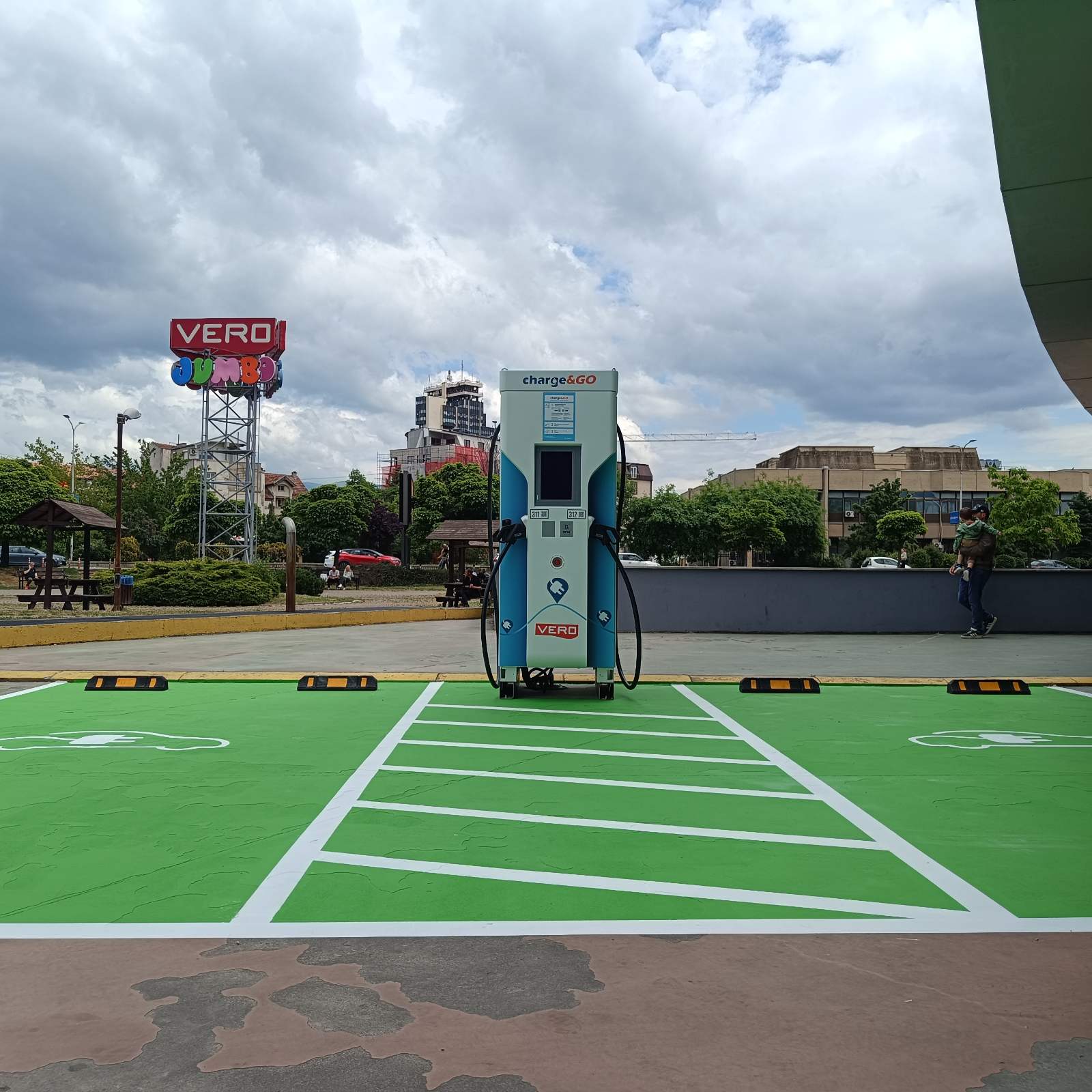
Charge&GO appeals to all drivers to use spaces intended for charging electric vehicles in accordance with their purpose. Parking internal combustion engine vehicles in spaces reserved for electric car charging is becoming an increasingly common problem, particularly in shopping center car parks.
Just as we respect parking spaces intended for persons with disabilities, we also need to respect spaces clearly marked for electric vehicles. They are not intended for long-term parking but to provide access to charging infrastructure for users who need it to continue their journey. By developing a culture of responsible use of shared infrastructure, we contribute to the more efficient functioning of the system and the faster development of electromobility in Serbia.
Prepared by Milena Maglovski
The story was published in Energy portal Magazine CLEAN ENERGY