


Newsletter Subscribe
Enter your email address below and subscribe to our newsletter

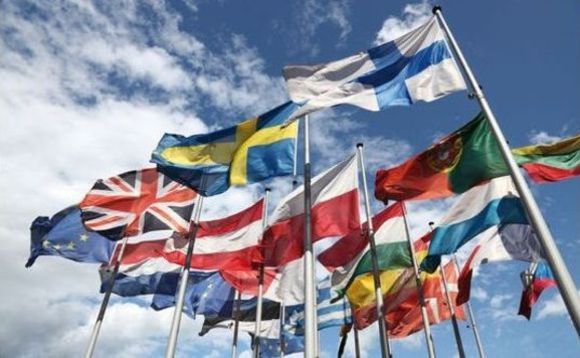
The EU has adopted a long-term strategy for achieving carbon neutrality by 2050. The timing couldn’t be better, with the kick-off of the 24th global climate summit in Poland where the EU can preside as a global leader on climate change, coaxing…

Despite a few hiccups along the way, Australia’s plastic bag consumption has dropped drastically. Three months after two of the largest supermarket chains banned plastic grocery bags, an estimated 1.5 billion bags have been prevented from use, the Australian Associated Press reported, citing the National Retail…
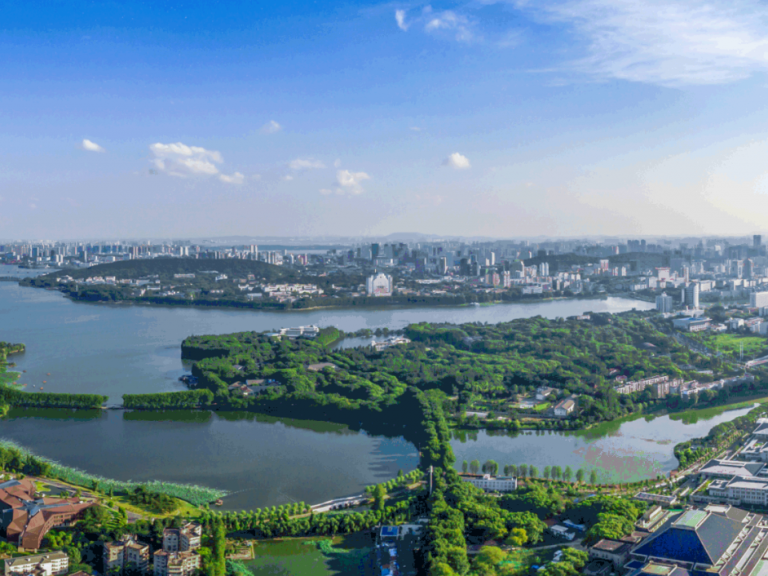
Delegates at UN biodiversity conference turn to Beijing to avoid point of no return. China must play a leading role if the world is to draw up a new and more effective strategy to halt the collapse of life on Earth,…

French President Emmanuel Macron has said the nuclear-reliant nation will close 14 of its 58 operational nuclear reactors by 2035. The leader added between four and six facilities will be closed by 2030 but warned that reducing the proportion of…
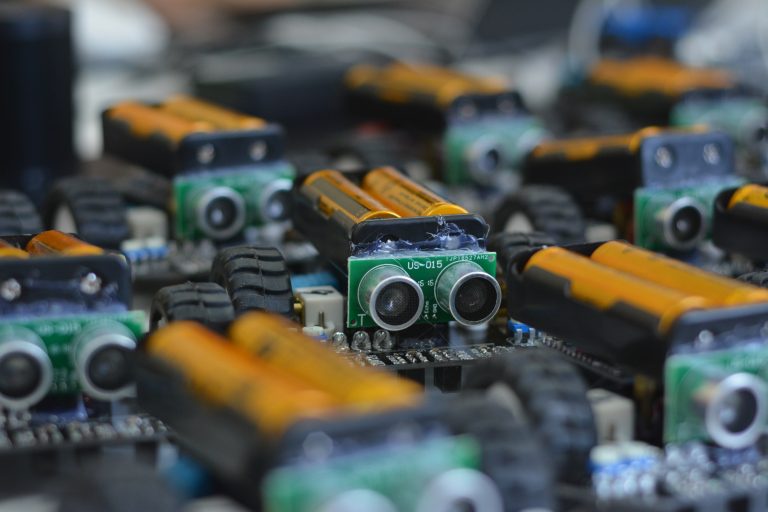
Chinese startup Qing Tao Energy Development claims it has started producing solid-state batteries in the city of Kunshan in the east of the country. The firm says it has already invested 1 billion yuan (£113m) in developing the technology and…
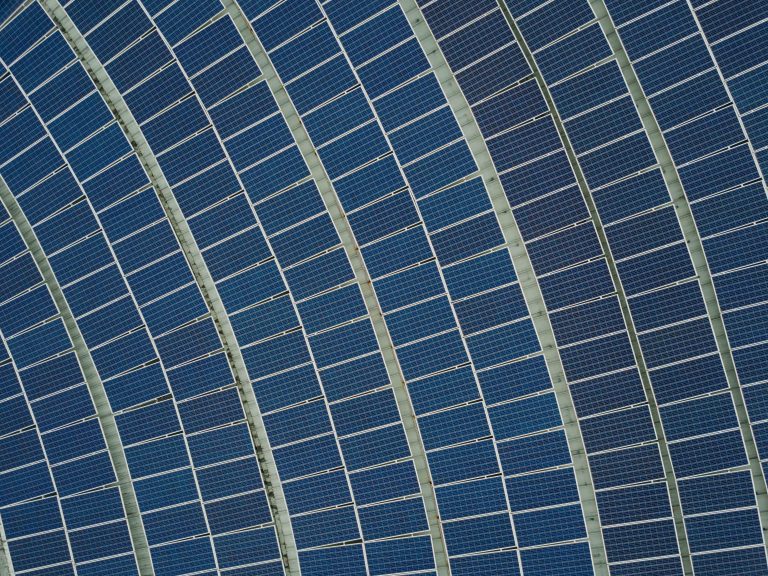
Europe’s power sector could be fully decarbonised by as early as 2045. That’s according to a new study from Eurelectric, which says the region could beat the 2050 targets set out by the Paris Agreement through electrifying key economic sectors.…

Cooling the Earth by injecting sun-blocking particles into the stratosphere could be “remarkably inexpensive”, according to the most detailed engineering analysis to date. The fear of a rogue nation or military force unilaterally taking control of the global climate is…