
Newsletter Subscribe
Enter your email address below and subscribe to our newsletter

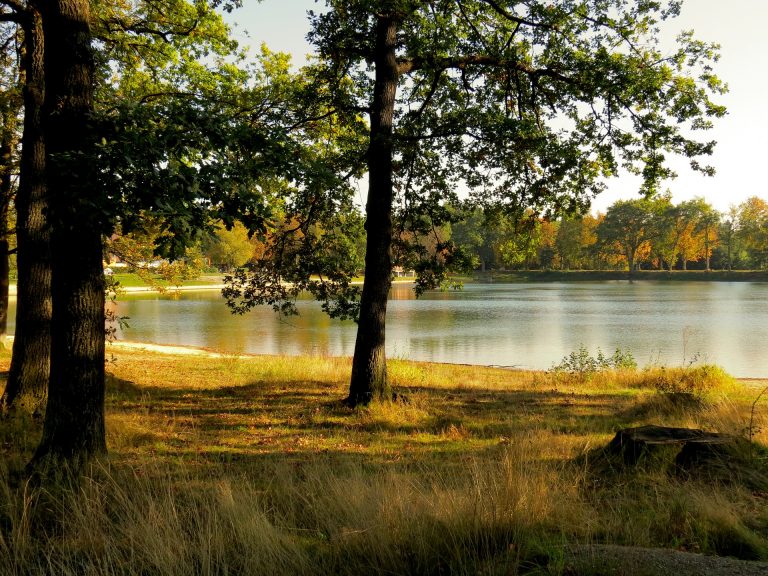
UNWTO is inviting public and private stakeholders from around the world to take part in a Global Survey of Climate Action in Tourism and help identify frontrunning initiatives and opportunities to accelerate climate action in tourism. Launched on World Environment…

The Commission proposed a framework for a European Digital Identity which will be available to all EU citizens, residents, and businesses in the EU. Citizens will be able to prove their identity and share electronic documents from their European Digital…

“Nature-based solutions” is a term for all solutions that use the natural world to mitigate the effects of climate change. It sounds rural, but the phrase covers multiple possibilities, from tree planting to soak up carbon emissions to flood protection…
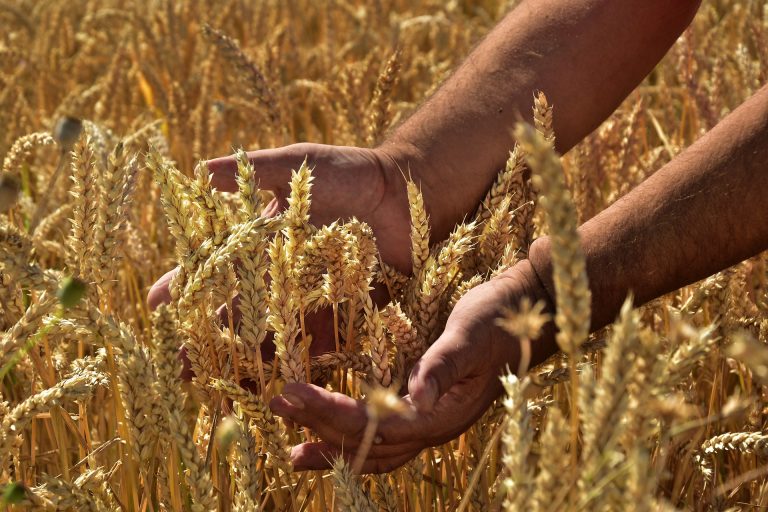
Plant disease surveillance, improved detection systems, and global predictive disease modeling are necessary to mitigate future disease outbreaks and protect the global food supply, according to a team of researchers. Plant diseases don’t stop at national borders and miles of…
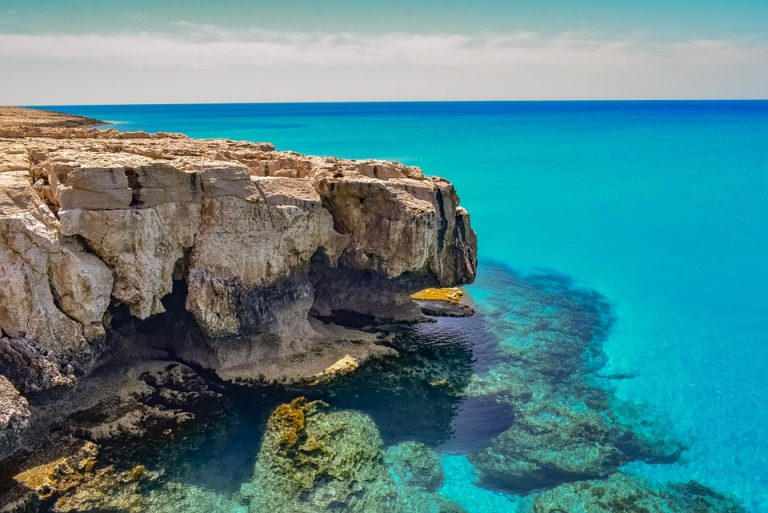
This year’s World Environment Day, officially celebrated on 5 June, focuses on ecosystem restoration, an important aspect of a healthy world. The EBRD’s work with the Northern Dimension Environmental Partnership (NDEP) shows how this can be successfully achieved. The Baltic…
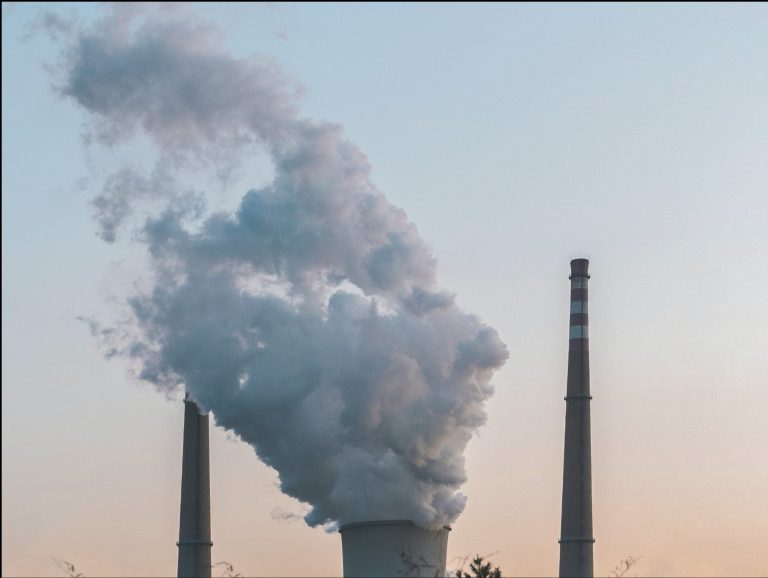
Fuelled by frustration over the perceived insufficient progress on climate action among many of the world’s major economies, the idea of a so-called carbon club is gaining considerable momentum. Prime Minister Boris Johnson’s apparent keenness to use the UK’s presidency…

A total investment in nature of USD 8.1 trillion is required between now and 2050 – while annual investment should reach USD 536 billion annually by 2050 – in order to successfully tackle the interlinked climate, biodiversity, and land degradation…