Newsletter Subscribe
Enter your email address below and subscribe to our newsletter


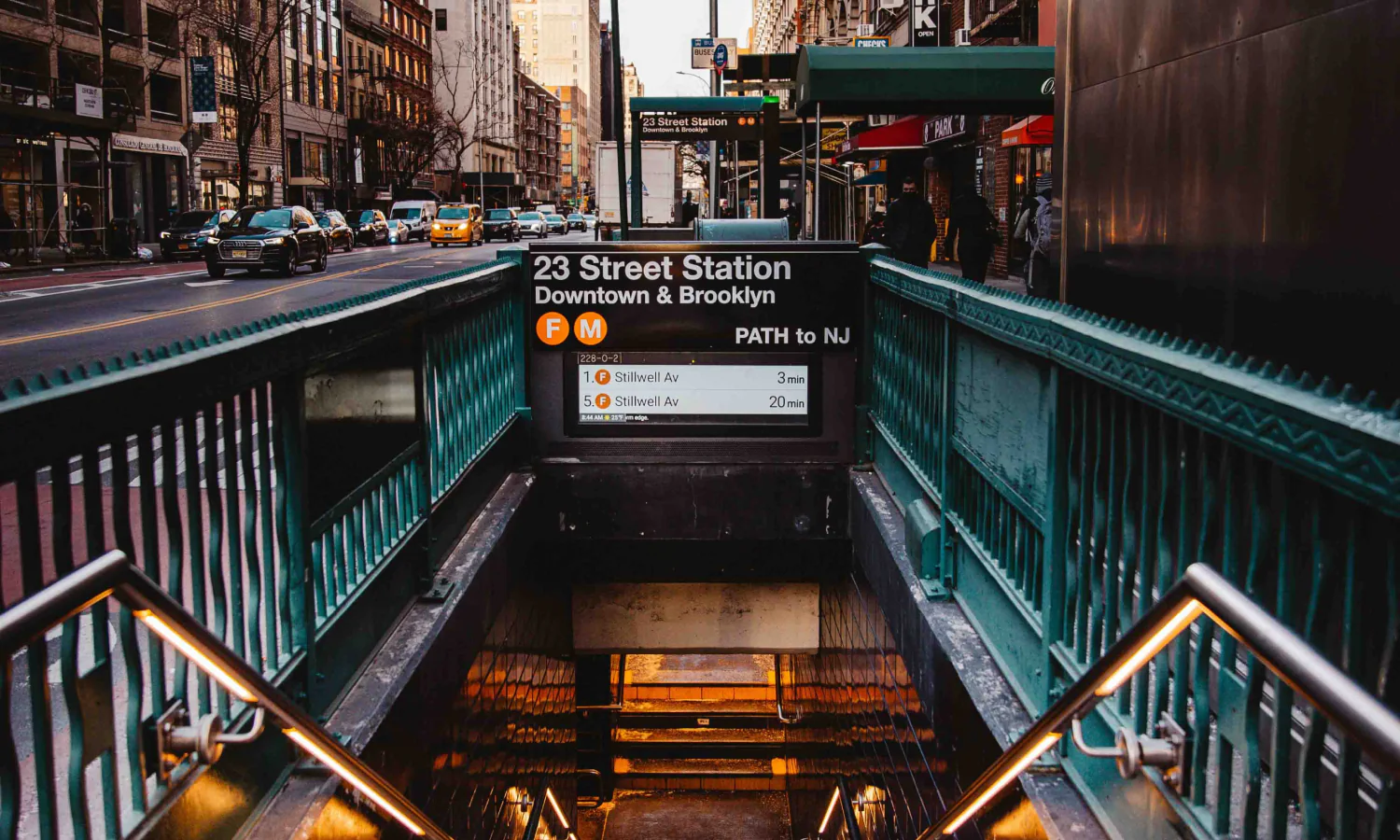
Road traffic is the top source of noise pollution in Europe, the new EEA report ‘Noise in Europe – 2020’ says, with noise levels projected to rise in both urban and rural areas over the next decade due to urban…

Diseases passed from animals to humans are on the rise, as the world continues to see unprecedented destruction of wild habitats by human activity. Scientists suggest that degraded habitats may encourage more rapid evolutionary processes and diversification of diseases, as…

Despite the positive renewable energy investment trends over the past decade, annual investments in renewable energy power alone need to double until 2050 to meet climate goals. To allocate enough capital to drive the world’s transition to a low-carbon economy,…
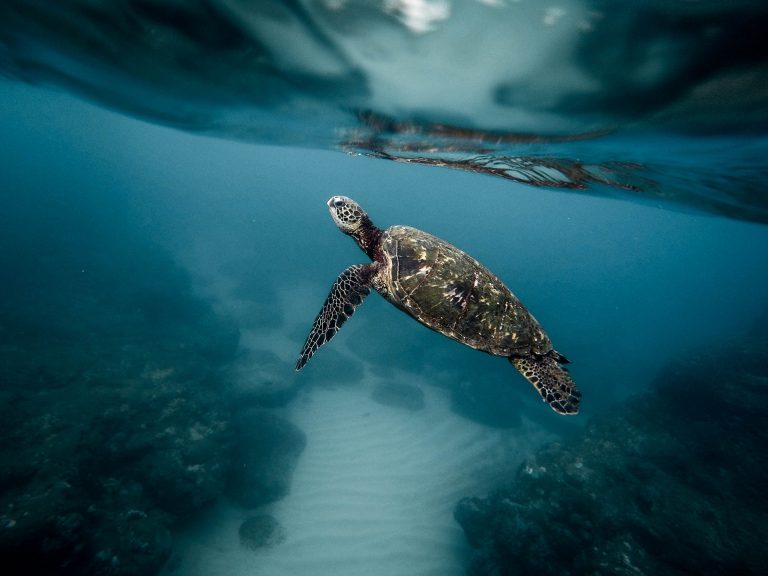
Joining the global celebration of the United Nations World Wildlife Day, representatives of UN Member States, UN System organizations, international and non-governmental organizations, rural communities and youth gathered at the UN Headquarters in New York and Geneva to mark the…
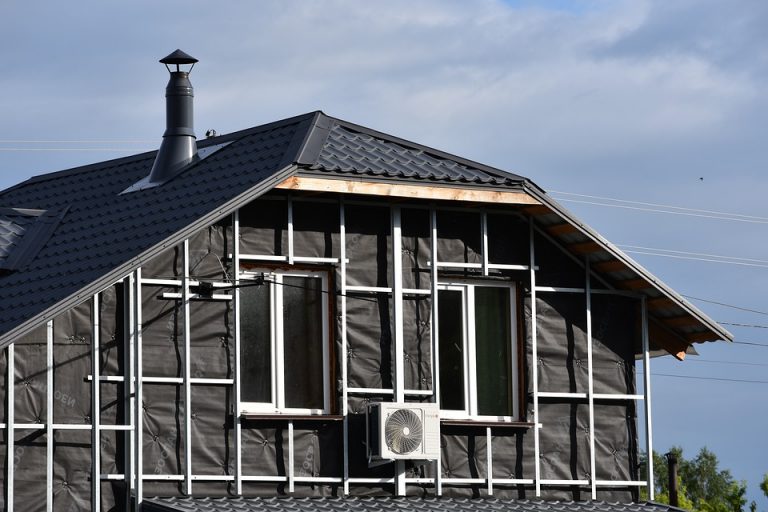
The Green for Growth Fund (GGF), an impact investment fund advised by Finance in Motion, has loaned USD 10 million to the National Bank of Egypt (NBE) to support measures that reduce energy consumption, prevent CO2 emissions, and improve resource…
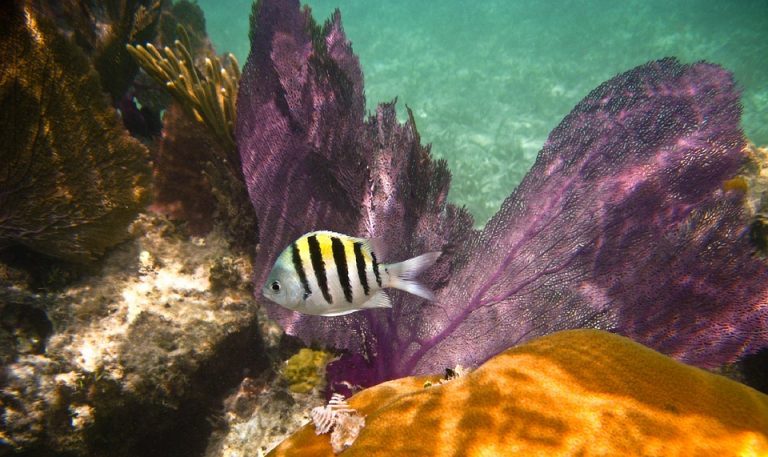
World Wildlife Day (3 March) is a chance to appreciate all that nature provides. This year’s theme, “Sustaining all life on Earth”, gives thanks to our natural world that allows wild animals, plants and humans to thrive in harmony. Among…
France’s Minister for Europe and Foreign Affairs, Mr Jean-Yves Le Drian, and Dr Tedros Adhanom Ghebreyesus, Director-General of WHO today met at the Permanent Mission of France to the United Nations in Geneva to discuss the WHO Academy, which will…