


Newsletter Subscribe
Enter your email address below and subscribe to our newsletter


A study conducted during September 2024 in Serbia reveals key trends in consumer attitudes towards home renovation, including replacing doors, windows, and roof windows, as well as replacing old items and household appliances. The study, which involved 1,000 respondents across Serbia, shows that the main renovation priorities are those elements that can significantly contribute to energy savings, with the main obstacle being the lack of financial resources.
The main objective of this research was to identify key trends and attitudes of the target audience related to nostalgia associated with old or inherited items, the sense of home, renovation, replacing doors, windows, and roof windows, and the estimated budget available for these purposes. The target group included employed men and women aged between 30 and 64 who are considering a home renovation and the research was conducted in Serbia, commissioned by VELUX.
The key findings show:
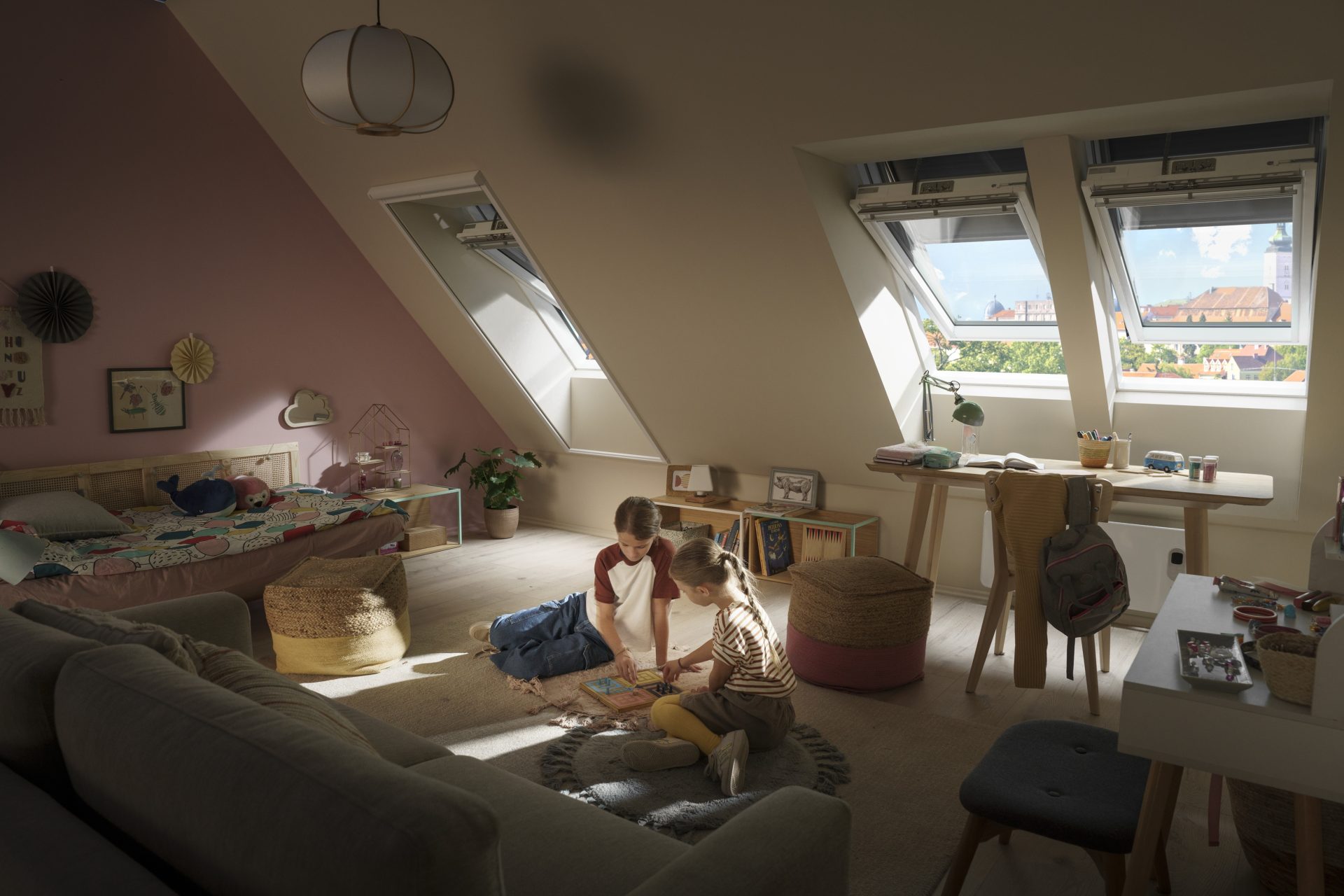
Homes often contain personal or family “souvenirs” that we would never want to part with – an old radio or furniture, porcelain figurines, etc. A roof window is one of the elements that future generations, our children and grandchildren, will use. They are an organic part of our living space, but there are also parts that need to be replaced for health, comfort, and sustainability. A well-installed, energy-efficient roof window not only improves everyday comfort but also contributes to significant energy savings. By simply replacing roof windows and reducing the internal temperature by two degrees Celsius, heating demand can be reduced by almost 40 percent without compromising comfort, which is possible with VELUX roof windows.
The study also helps uncover which elements people are reluctant to replace and which ones they consider replaceable.
Respondents highlighted that removing old and unnecessary items from the home contributes to freeing up physical space and relieving the mind of unnecessary thought patterns and burdensome memories. Most respondents do not consider themselves particularly attached to old items or inclined to discard them. About 30 percent of respondents delay replacing old items for various reasons.
Clothing (54.9 percent) and home textiles (41.6 percent) were the most frequently replaced items in the last year because they are the easiest and cheapest to replace, while items requiring larger financial investments were only replaced when they ceased functioning.
Items with emotional value, such as souvenirs, are rarely discarded, although 36 peprcent consider them “candidates” for disposal, and only 20 percent discarded them in the past year.
The results indicate a strong focus on practical renovation measures, with 72 percent of respondents acknowledging the need to replace doors and windows primarily for energy efficiency and savings. Among respondents, those living in houses and rural areas would replace doors and windows sooner than those living in apartment buildings; however, they cite financial reasons and fear of unforeseen issues during renovation as the main obstacles.
Source: VELUX